Understanding the Challenges of Switching Skincare Products
Why Changing Skincare Routines Can Cause Issues
Switching skincare products might seem like a straightforward way to refresh your routine or address new skin concerns. However, the process is often more complex than it appears. Your skin gets accustomed to certain ingredients and formulas, so introducing new products can disrupt its delicate balance. Changes may trigger irritation, dryness, or breakouts, especially if done too quickly or without proper care.
Recognizing these potential issues is crucial before making any changes. It’s not just about the product itself but how your skin reacts to the new ingredients and textures. Understanding this can help prevent unnecessary frustration and ensure a smoother transition.
Common Skin Reactions to New Products
When your skin meets a new product, several reactions can occur. Some people experience redness, itching, or mild inflammation, which might just be temporary adjustments. Others might notice more severe breakouts or dryness, signaling that the product isn’t a good match. Occasionally, allergic reactions can arise, emphasizing the need for caution.
Knowing these possibilities helps set realistic expectations and encourages attentive monitoring during any change. Your skin’s response is your best guide to whether the product is suitable or if you should reconsider its use.
Top Skincare Mistakes to Avoid During the Transition
Overloading Your Skin with Multiple New Products
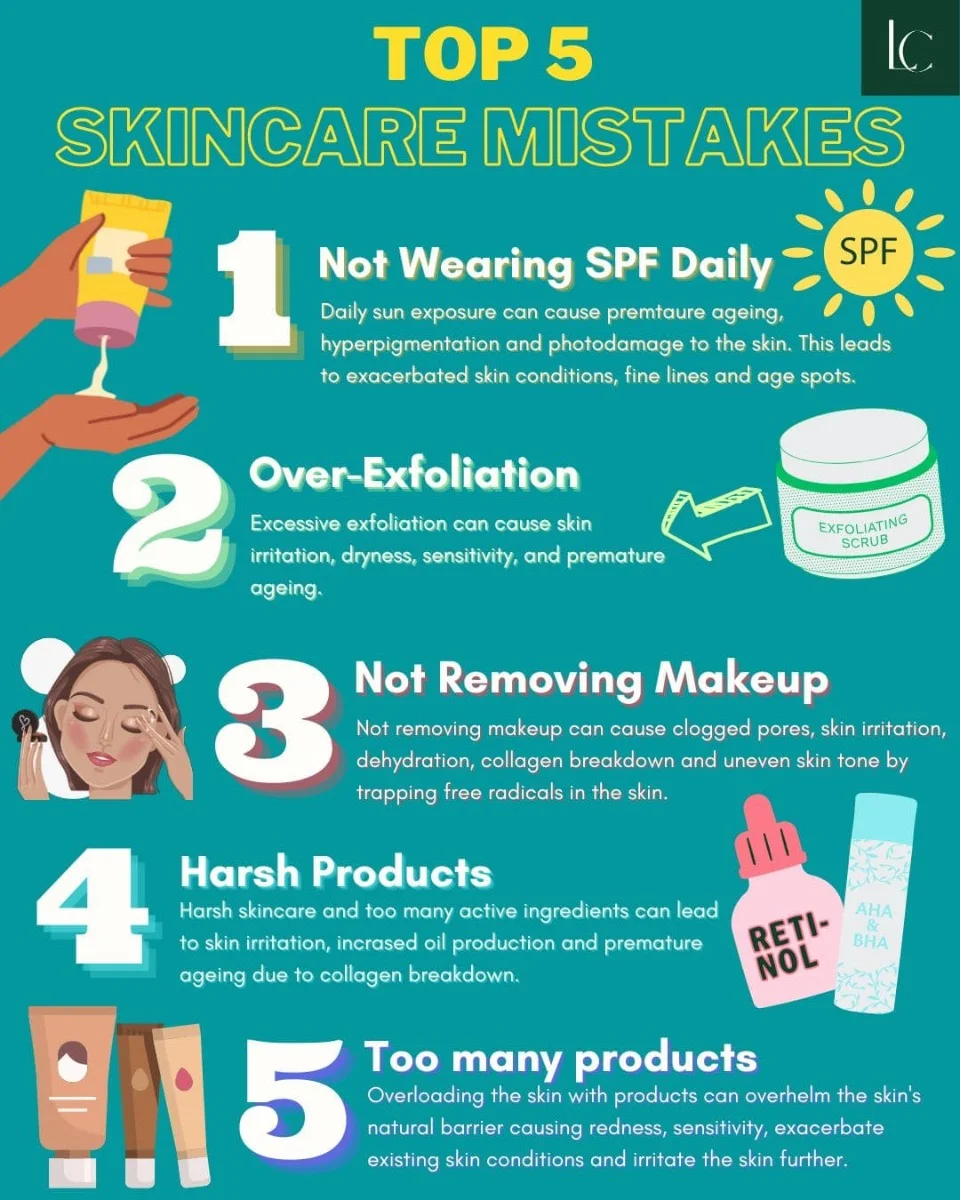
Many fall into the trap of revamping their entire skincare lineup at once. Introducing several new products simultaneously can overwhelm your skin, making it difficult to identify which product causes a reaction if one occurs. It’s like changing all the ingredients in a recipe at once and hoping for the best; it rarely works out smoothly.
Instead, focusing on one new addition at a time allows your skin to gradually adjust, reducing the chance of irritation. It also gives you a clearer idea of what works well and what doesn’t.
Skipping Patch Tests and Allergy Checks
Patch testing may seem tedious, but it’s a critical step that shouldn’t be skipped. Applying a small amount of a new product on a discreet area—usually behind the ear or on the inner wrist—can help reveal potential allergic reactions before affecting your entire face.
Ignoring this step can lead to unpleasant surprises, like widespread redness or swelling. Taking this brief precaution saves time, money, and stress in the long run.
Ignoring the Importance of Ingredient Compatibility
Not all skincare ingredients play well together. Some combinations can neutralize each other’s benefits or cause irritation. For instance, layering strong acids with retinol without proper spacing may lead to sensitivity issues.
Understanding the ingredients in your current and new products is essential. When in doubt, research or consult professionals to ensure the mix supports your skin’s health rather than undermines it.
Discontinuing Old Products Abruptly
One common mistake is to stop using your old products cold turkey. Abrupt discontinuation can shock your skin, especially if it depends on certain moisturizers or serums to maintain its barrier function. This may result in dryness or increased sensitivity.
A more gentle approach involves tapering off old favorites while gradually introducing new ones. This allows your skin to adapt without losing its protective layer in the process.
Step-by-Step Guide to Transitioning Your Skincare Routine
How to Introduce One Product at a Time
Patience is key when changing your skincare. Start by adding just one new product into your routine. Use it consistently for at least a week or two before considering another change. This slow integration gives your skin time to get used to the new formula and minimizes the risk of adverse reactions.
Keep your other products stable during this phase. This approach allows you to accurately assess the impact of each product without confusion.
Setting Realistic Expectations for Skin Adjustment
It’s normal for skin to take time to respond positively to new products. Some ingredients, like exfoliants or retinoids, may initially cause mild peeling or redness before improvements become visible. Expecting immediate flawless results can lead to disappointment.
Giving your skin a few weeks to adjust helps avoid unnecessary panic. It also builds a realistic mindset that not every product works overnight.
Tracking Changes with a Skincare Journal
Documenting your routine and noting how your skin reacts daily can be incredibly helpful. A skincare journal lets you track which products cause improvement or irritation. Over time, patterns emerge that guide your choices.
Recording details such as breakouts, dryness, or changes in texture provides insight often missed when relying solely on memory. It’s a simple habit that can save you from repeating mistakes.
Additional Tips for Maintaining Healthy Skin During Changes
Hydration and Sun Protection as Supportive Measures
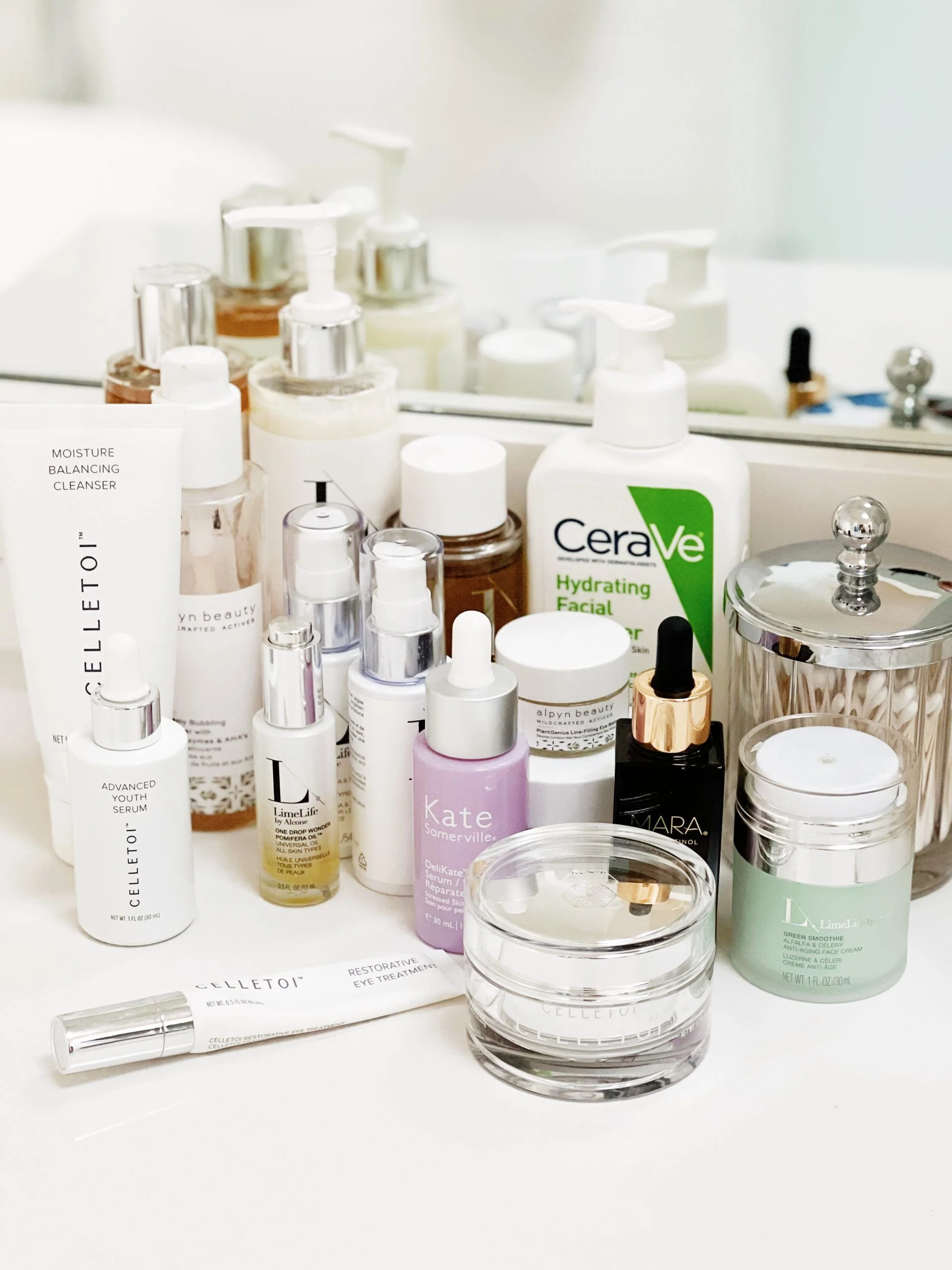
When switching products, maintaining hydration and protecting your skin from the sun become even more critical. Hydrating with gentle moisturizers supports the skin barrier and reduces the chances of irritation. Similarly, daily sun protection shields your skin from UV damage, which can worsen sensitivity during transitions.
Incorporating these basics helps create a stable environment for your skin, making it more resilient to new products.
When to Consult a Dermatologist
If you experience persistent irritation, severe breakouts, or allergic reactions during your transition, seeking professional advice is wise. Dermatologists can identify underlying issues, recommend suitable products, or suggest alternative approaches tailored to your skin type.
This step can prevent long-term damage and ensure your skincare journey remains safe and effective.