Introduction to Desk-Based Self Care
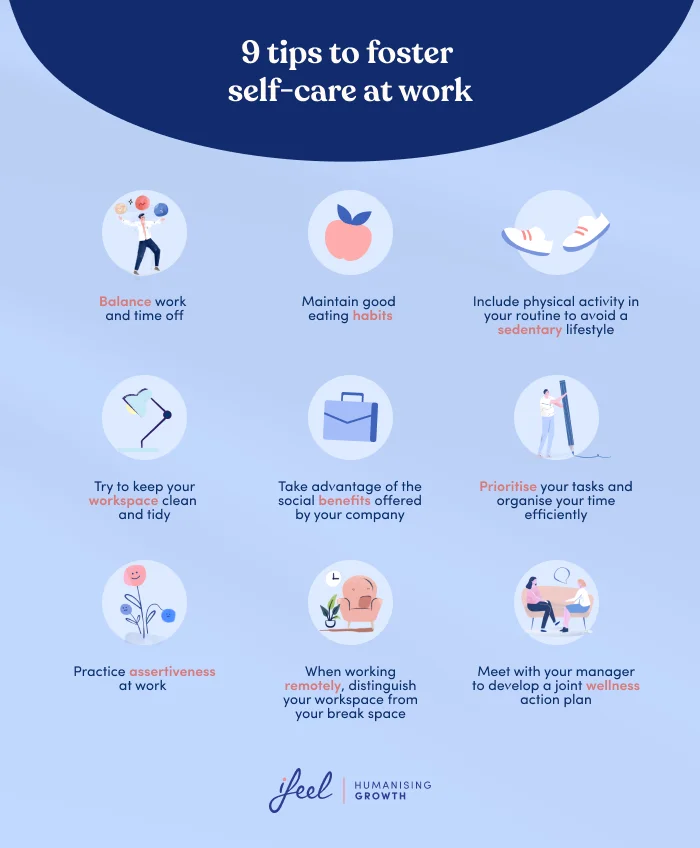
When we think of self care, the image often involves luxurious spa days or long walks in nature. However, effective self care can be simple and integrated right into our daily routines—especially for those who spend much of their workday at a desk. Incorporating small, intentional actions during your work hours can significantly alleviate stress and improve overall well-being. This article explores practical, desk-friendly self care tips designed to help you manage work-related stress without needing to leave your workspace.
Understanding Work Stress and Its Impact
Common Causes of Work Stress at Your Desk
Work stress can stem from a variety of factors, many of which are closely tied to the environment and demands of desk jobs. Tight deadlines, high workloads, constant digital communication, and poor posture often contribute to feelings of overwhelm and fatigue. Additionally, the lack of movement during long hours at a desk may intensify physical discomfort, adding to the stress load. Recognizing these triggers is the first step toward managing stress effectively.
Physical and Mental Effects
Stress experienced at your desk is not just an emotional issue; it strongly affects both physical and mental health. Physically, individuals might notice muscle tension, headaches, or eye strain. Mentally, stress can impair concentration, increase irritability, and reduce productivity. Over time, unmanaged stress may lead to burnout, making it essential to incorporate self care strategies that address both mind and body.
Quick Physical Self Care Techniques
Stretching Exercises You Can Do Sitting Down
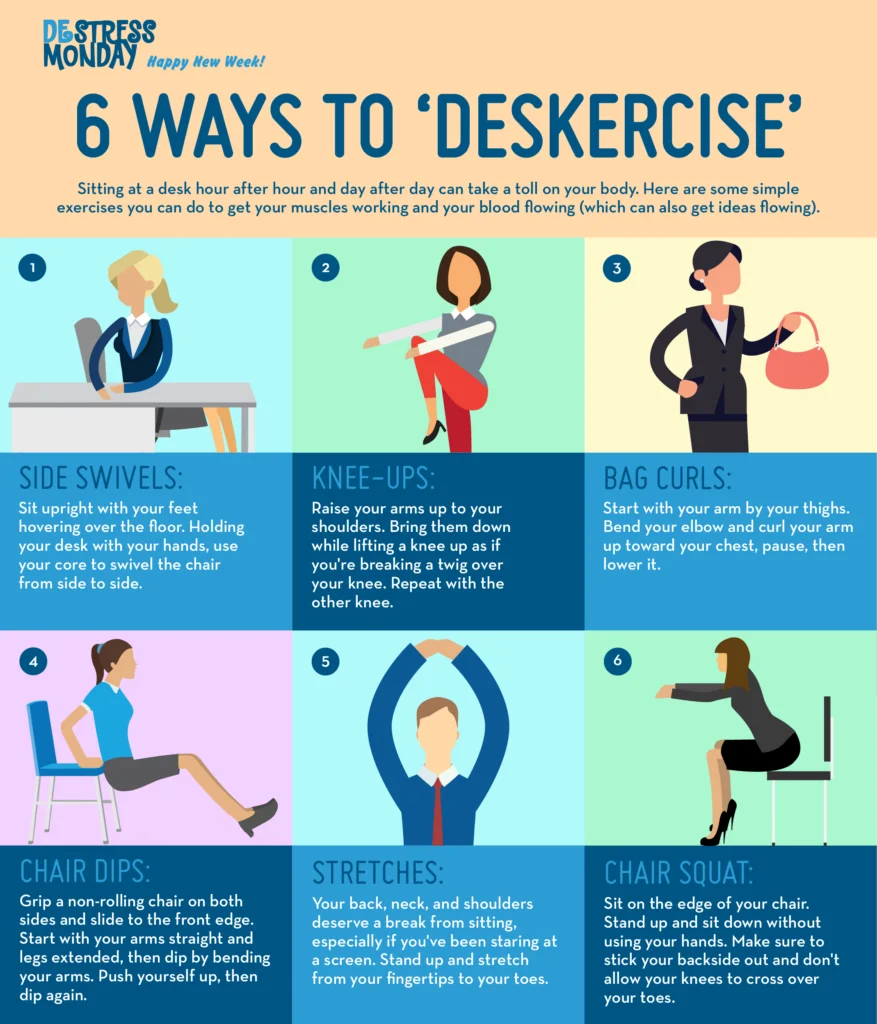
One accessible way to relieve physical tension without leaving your workspace is through simple stretching. Gentle neck rolls can reduce stiffness from staring at a screen. Shoulder shrugs and arm stretches help ease tightness caused by typing or mouse use. Even seated spinal twists promote better circulation and posture. These stretches can be seamlessly integrated into brief breaks throughout the day, breaking the cycle of static positioning.
Breathing Practices for Immediate Calm
Breathing techniques offer a quick and effective way to counteract stress responses. Deep, slow inhalations followed by controlled exhalations help activate the body’s relaxation response. Practicing focused breathing for just a few minutes can lower heart rate and reduce feelings of anxiety. Because breathing is an internal process, it’s a discreet method of self care that can be done anytime, even during a busy meeting or call.
Mindfulness and Mental Reset Strategies
Guided Meditation Snippets for Your Breaks
Introducing short, guided meditation moments into your day can serve as mental “resets.” Even three to five minutes of guided mindfulness focusing on breathing, body awareness, or positive affirmations can shift stress patterns and improve concentration. Apps and online resources offer a variety of brief meditations tailored to office environments, making it easy to incorporate without requiring extensive time commitments.
Visualization Techniques to Reduce Anxiety
Visualization is a powerful tool that involves mentally picturing calming scenes or positive outcomes. This practice can interrupt anxious thought cycles and foster a sense of control. At your desk, you might close your eyes briefly and imagine a peaceful place or visualize completing a challenging task with success. These mental exercises promote emotional regulation and help maintain focus under pressure.
Ergonomic Adjustments to Improve Comfort
Proper Chair and Desk Setup Tips
Physical discomfort is a common contributor to work stress, often stemming from poor ergonomics. Adjust your chair height so that your feet rest flat on the floor, and your knees are roughly at a 90-degree angle. Your desk and monitor should be positioned to keep your neck in a neutral position, minimizing strain. Making these adjustments promotes better posture, reduces muscle fatigue, and supports sustained comfort throughout the day.
Using Tech Tools to Remind You to Move
Technology can offer helpful reminders to break from prolonged sitting. Smartphone apps and computer programs can prompt you to stand, stretch, or walk briefly at regular intervals. These prompts encourage physical activity, which is crucial for reducing the negative effects of sedentary work. Balancing focused tasks with movement helps refresh both body and mind.
Incorporating Micro-Breaks Throughout Your Workday
Ideas for 1-5 Minute Refreshers
Micro-breaks are brief pauses intended to detach from work-related tasks and provide both mental and physical relief. Activities during these short breaks can vary—closing your eyes to rest them, walking around to stimulate circulation, or simply sipping water mindfully to promote hydration. These small resets prevent burnout and improve efficiency when you return to your tasks.
Conclusion: Creating a Personalized Desk Self Care Routine
Integrating self care at your desk does not require radical changes but benefits greatly from consistency and personalization. Start by recognizing your unique stressors and identifying which techniques resonate with you—whether physical stretches, breathing exercises, or ergonomic enhancements. By gradually weaving these simple practices into your daily schedule, you can develop a sustainable routine that supports your well-being and productivity over time. Ultimately, desk-based self care empowers you to manage work stress thoughtfully and proactively.