Understanding Passive-Aggressive Behavior in Long-Term Relationships
Defining Passive-Aggressiveness
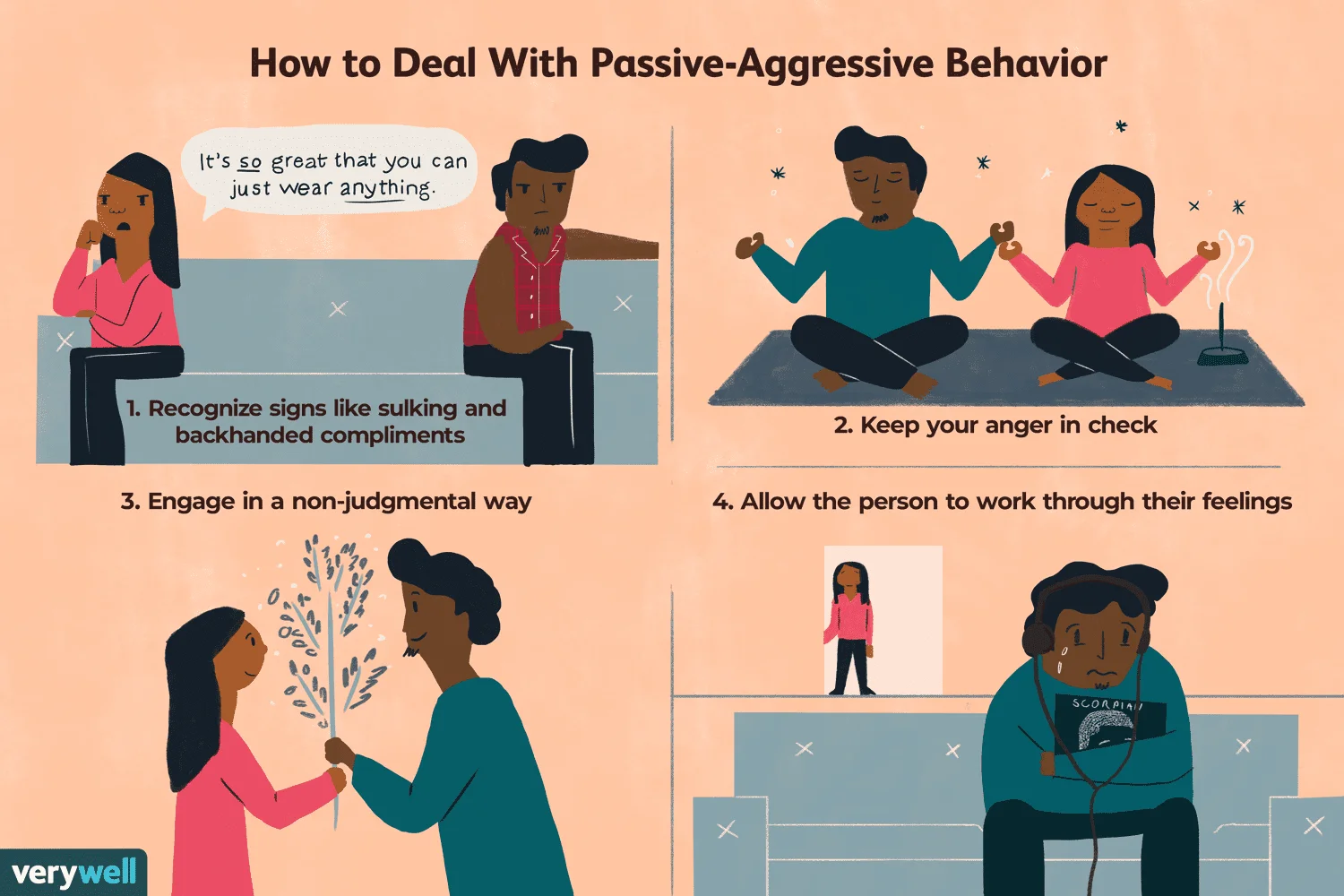
Passive-aggressive behavior manifests as indirect resistance to demands or requests, often expressed through subtle actions instead of direct communication. In long-term relationships, this can take the form of silent treatment, procrastination, or backhanded compliments. Unlike open hostility, passive-aggressiveness hides true feelings behind ambiguous behaviors, making it difficult for partners to address issues straightforwardly.
Common Signs to Watch For
Recognizing passive-aggressive patterns requires paying attention to specific behaviors that suggest unspoken frustration. This includes habitual sarcasm, frequent procrastination when asked to help, avoiding eye contact during conflict, or making excuses instead of confronting problems head-on. Partners might notice indirect digs or silent resistance, which can accumulate and erode the relationship’s foundation over time.
Psychological Roots Behind the Behavior
Often, passive-aggressiveness stems from fear of confrontation, low self-esteem, or a perceived lack of control. Individuals may feel unsafe expressing anger or disagreement openly due to past experiences or cultural conditioning. Understanding that passive-aggressive behavior is typically a defense mechanism helps create empathy and opens a pathway toward healthier communication.
Impact of Passive-Aggressive Behavior on Intimate Relationships
Emotional Consequences for Both Partners
When passive-aggressiveness remains unaddressed, it breeds confusion and hurt. The recipient often feels dismissed or manipulated, while the person exhibiting the behavior experiences growing resentment and frustration. This emotional tug-of-war fosters feelings of loneliness and emotional distance, chipping away at the trust and intimacy that long-term partnerships rely upon.
Communication Breakdown and Resentment Build-up
Indirect expressions of anger or dissatisfaction prevent honest dialogue from taking place. As grievances go unspoken, unmet needs accumulate, leading to passive resentment. Over time, partners might start communicating less openly, which intensifies misunderstandings and deepens the emotional chasm between them. Such a cycle can become difficult to break without intentional effort.
Strategies to Identify Passive-Aggressiveness Early
Recognizing Subtle Cues and Patterns
Being vigilant about early signs allows couples to address issues before they escalate. Notice if your partner often uses humor to mask irritation or delays actions unnecessarily. Pay attention to recurring patterns like giving the silent treatment after disagreements or expressing “fine” when they clearly are not. Recognizing these subtleties is the first step toward fostering transparency.
Self-Reflection: When You Might Be Unknowingly Passive-Aggressive
It’s equally important to examine your own behavior honestly. Ask yourself if you tend to avoid difficult conversations or use sarcasm instead of expressing feelings openly. Reflect on moments when you might have dropped hints instead of stating needs directly. Awareness of your own tendencies can break the cycle and encourage more constructive interactions.
Effective Approaches to Address and Resolve Passive-Aggressive Tendencies
Open Dialogue: How to Initiate Constructive Conversations
Approaching conversations with empathy rather than blame creates a safe space for honesty. Begin by expressing how certain behaviors make you feel, using “I” statements to avoid triggering defensiveness. Encouraging your partner to share their perspective and validating their emotions helps dismantle barriers. Patience and consistent effort in these discussions pave the way for mutual understanding.
Setting Boundaries and Expressing Needs Clearly
Clear communication about personal boundaries plays a crucial role in reducing passive-aggressive reactions. Articulating what behaviors are hurtful or unacceptable helps partners navigate expectations respectfully. Simultaneously, vocalizing your own needs openly diminishes ambiguity and prevents frustration from building up beneath the surface.
Seeking Professional Help: Couples Therapy and Counseling
Sometimes, patterns of passive-aggressiveness become deeply ingrained and challenging to overcome alone. Engaging a skilled therapist provides tools for healthier communication and emotional regulation. Couples therapy offers a neutral environment where both voices are heard equally, and underlying issues can be explored with guidance, accelerating healing and growth.
Preventative Measures for Maintaining Healthy Communication
Fostering Emotional Safety and Trust
Consistently creating a climate of emotional safety encourages partners to express their feelings without fear of judgment or reprisal. This starts with active listening, validating each other’s experiences, and showing vulnerability. Over time, such practices build trust, decreasing the likelihood that anger or dissatisfaction will be suppressed as passive-aggression.
Developing Conflict-Resolution Skills Together
Learning to address disagreements constructively transforms challenges into opportunities for connection. Couples should work on techniques such as staying calm, focusing on the issue rather than personal attacks, and collaborating on solutions. When both partners commit to resolving conflict respectfully, it lessens the impulse to resort to indirect behaviors.
Conclusion
Passive-aggressive behavior in long-term partnerships can quietly undermine closeness and trust if left unrecognized. By understanding its signs and roots, couples can develop awareness and actively work toward open communication. Addressing passive-aggressiveness involves patience, clear expression of needs, and sometimes professional support. Ultimately, fostering emotional safety and honing conflict-resolution skills create a stronger foundation for a healthy, loving relationship.