Understanding Mindful Eating in the Context of a Busy Workday
Defining Mindful Eating
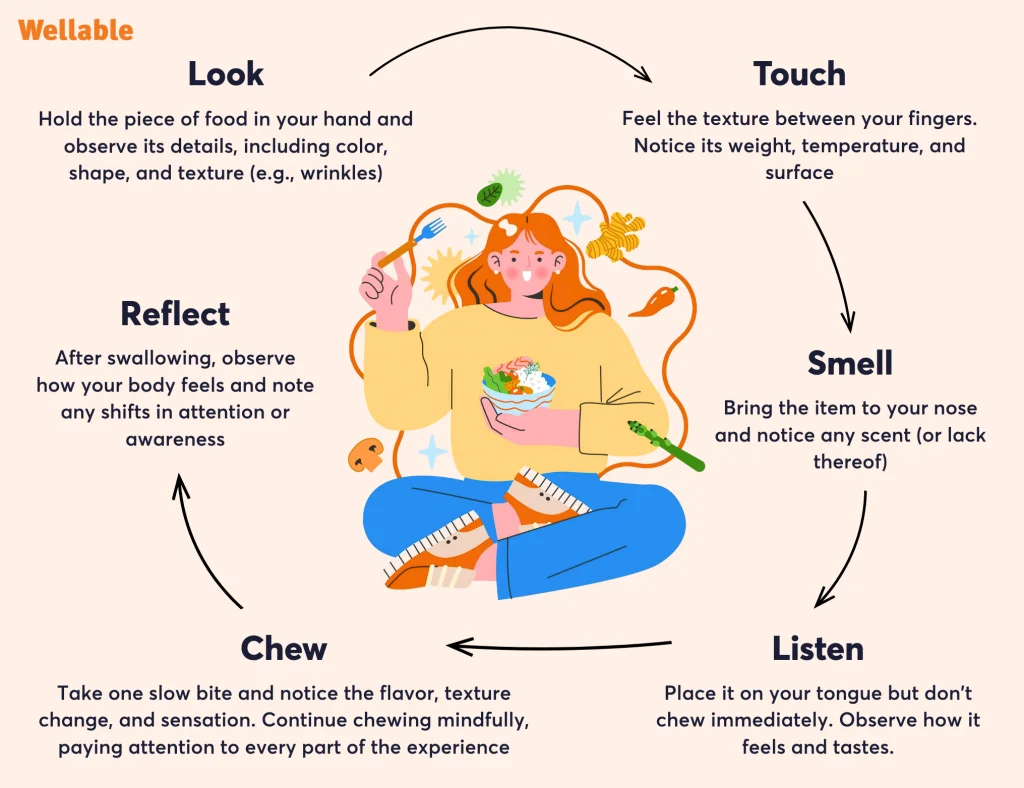
Mindful eating is the practice of paying full attention to the experience of eating and drinking, both inside and outside the body. It involves noticing the colors, smells, textures, flavors, temperatures, and even the sounds of our food. More than just what we eat, it’s about how we eat — being present with each bite without distraction.
Common Challenges of Eating Mindfully at Work
In a busy work environment, eating often becomes a rushed task squeezed between meetings or deadlines. Many people eat at their desks while working, leading to distracted, unconscious consumption. This can cause overeating, poor digestion, and missed cues of fullness. Moreover, stress and multitasking reduce the ability to savor food, undermining the benefits of mindful eating.
Step-by-Step Guide to Practicing Mindful Eating Amidst Work Stress
Preparing Your Meals Mindfully the Night Before
Starting the mindful eating process begins well before mealtime. Preparing meals in advance with intention reduces last-minute stress and unhealthy choices. Concentrate on selecting fresh, wholesome ingredients and assembling balanced portions that satisfy hunger and nourish the body. This planning contributes to a calmer mindset during busy days.
Creating a Dedicated Eating Space Away from Your Desk
Eating away from the desk encourages a mental break from work and fosters awareness of the meal. Designate a spot free from screens and work materials. Even a quiet corner or break room can serve as a mindful eating zone, helping reduce distractions and allowing the body to focus on the sensory experience of eating.
Techniques for Slowing Down and Savoring Each Bite
Slowing the pace of eating is essential to mindfulness. Try chewing each bite fully and setting down utensils between bites. Focus on the texture, taste, and aroma of the food. Pausing to breathe deeply during the meal helps recalibrate attention and prevents automatic or fast eating which can lead to discomfort or overconsumption.
Tools and Strategies to Support Mindful Eating During Work Hours
Using Reminders and Apps to Pause for Meals
Technology can assist in cultivating mindful eating habits. Setting reminders or alarms prompts breaks dedicated solely to eating, helping avoid skipped meals or mindless snacking. Several apps also offer guided mindful eating exercises and daily nudges to check in with hunger and fullness cues, supporting a healthier routine.
Simple Breathing Exercises Before Eating
Taking a few deep breaths before starting a meal can center the mind and reduce stress, preparing the body for digestion. This small ritual enhances awareness and slows the transition from work mode to eating mode, making each meal a moment of calm and nourishment amidst a hectic schedule.
Choosing Nutrient-Dense Snacks that Promote Satiety
Opting for snacks rich in fiber, protein, and healthy fats helps maintain energy throughout the day and prevents overeating later. Foods such as nuts, yogurt, fresh fruit, or whole-grain crackers satisfy hunger while supporting mindful consumption by requiring some attention during eating, unlike sugary or processed options.
How Mindful Eating Enhances Productivity and Wellbeing at Work
Link Between Food Awareness and Mental Clarity
Being conscious of what and how we eat improves digestion and nutrient absorption, which directly affects brain function. Mindful eating boosts concentration and reduces the mental fog often caused by rushed or heavy meals. This clarity helps maintain focus and performance levels during demanding work tasks.
Impact on Energy Levels and Stress Management
Mindful eating encourages balanced food choices and proper meal timing, stabilizing blood sugar and energy. Additionally, the act of slowing down to eat mindfully reduces stress hormones, enhancing emotional resilience. Together, these effects contribute to sustained energy and a calmer workday experience.
Real-Life Examples: Mindful Eating Practices from Busy Professionals
Case Study 1: Incorporating Short Eating Breaks
A marketing manager sets alarms every two hours to pause work and practice mindful snacking or micro-meals. By stepping away from the desk and dedicating five minutes to truly taste and enjoy light bites, she avoids the afternoon energy slump and maintains better portion control, improving her overall workday stamina.
Case Study 2: Mindful Lunch Rituals in a Corporate Setting
In a corporate office, a team initiates a culture of group mindful lunches where participants eat together in a quiet room away from screens. They start meals with a brief guided breathing exercise and focus on food conversation rather than work. This practice has led to improved team cohesion and reduced lunchtime stress.