Understanding the Impact of Screen Time on Work-Life Balance
How Excessive Screen Time Affects Mental and Physical Health
In today’s digital age, screen time has become an inevitable part of both work and personal life. However, excessive exposure to screens can take a toll on our mental and physical well-being. Prolonged screen use often leads to increased eye strain, headaches, and disrupted sleep patterns, all of which diminish overall health. On a mental level, constant connectivity can elevate stress and anxiety, making it harder to relax and recharge. Therefore, understanding how screen time impacts health is a crucial first step towards achieving a balanced lifestyle.
The Blurring Lines Between Work and Personal Life
The widespread use of digital devices, especially smartphones and laptops, has blurred the traditional boundaries between work and home. This constant accessibility often results in work spilling over into personal time, creating a continuous cycle of engagement that leaves little room for rest or family interactions. Without clear limits, screen time dedicated to work can intrude on downtime, diminishing the quality of personal life and upsetting the harmony between professional duties and leisure.
Setting Boundaries: Strategies for Effective Screen Time Management
Creating a Daily Screen Time Schedule
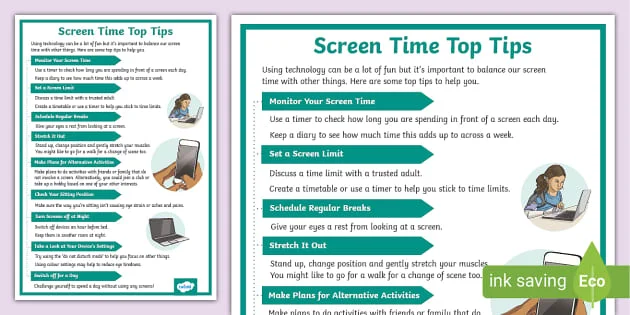
Establishing a clearly defined schedule for screen use helps prevent overindulgence and promotes intentional engagement with digital devices. Begin by identifying essential screen activities for work and leisure, then allocate specific time blocks accordingly. For example, designate focused periods during the workday for emails and tasks, followed by planned breaks away from screens. This structured approach reduces unconscious scrolling or multitasking, fostering greater productivity and mental clarity.
Designating Screen-Free Zones at Home
Another practical strategy involves setting up physical spaces in the home where screens are not allowed. Areas such as the dining room or bedroom can serve as sanctuaries dedicated to offline interaction and rest. This physical separation from technology encourages more mindful presence with family, improves sleep quality, and cultivates healthier habits. By intentionally creating screen-free zones, individuals reclaim parts of their daily environment for relaxation and direct human connection.
Tools and Techniques to Monitor and Reduce Screen Usage
Using Apps and Features to Track Screen Time
Modern technology offers numerous tools to help users monitor their screen habits. Most smartphones and computers include built-in features that record daily usage statistics, showing which apps and activities consume the most time. Utilizing these tools allows individuals to gain awareness of their behavior, identify patterns, and set realistic limits. Setting reminders or alarms can also support adherence to screen time goals by prompting timely breaks or device shutdowns.
Implementing Digital Detox Periods
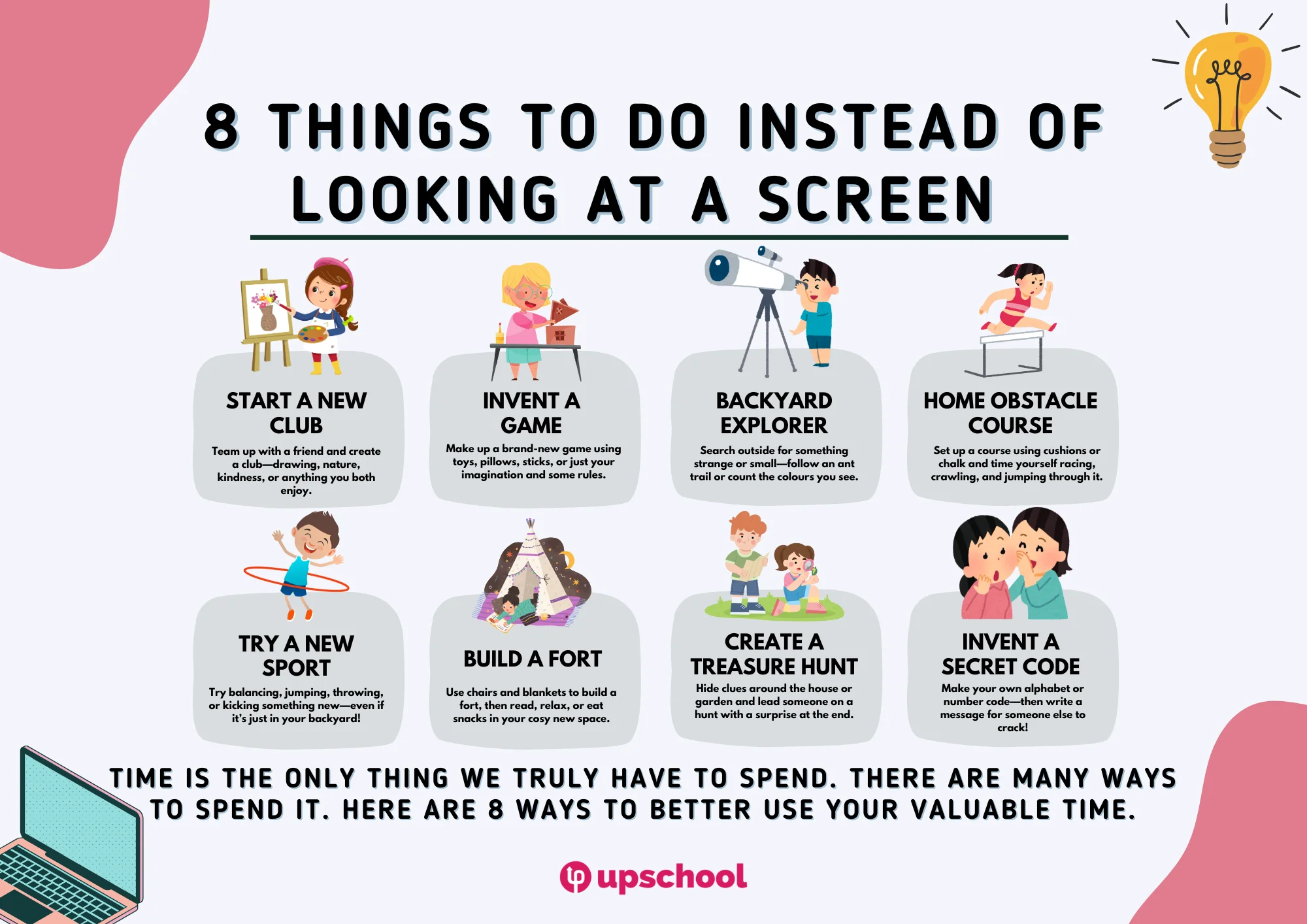
To reset unhealthy screen habits, dedicating specific intervals free from digital devices can be highly effective. Whether it’s a few hours each evening or a full day on weekends, stepping away from screens helps reduce dependency and refreshes the mind. During these detox periods, engaging in offline activities such as reading, spending time outdoors, or socializing face-to-face, can reinforce more balanced rhythms of technology use and foster deeper personal fulfillment.
Incorporating Mindfulness and Offline Activities
The Role of Mindfulness in Reducing Screen Dependence
Mindfulness practices encourage awareness of present-moment experiences and help break automatic behaviors, including compulsive screen checking. By cultivating mindfulness, individuals become more conscious of their triggers for excessive device use and can respond with intentional choices instead. Techniques such as meditation or mindful breathing serve to calm the mind, improve focus, and provide a natural pause from the constant stimulation of screens.
Engaging in Hobbies and Physical Exercise
Replacing some screen time with hobbies and physical activities offers a refreshing balance that benefits both body and mind. Pursuing creative outlets like drawing, cooking, or playing music diverts attention away from digital distractions and enhances overall well-being. Similarly, regular exercise not only promotes physical health but also reduces stress and improves mood, making it easier to disconnect from screens and enjoy real-world experiences fully.
Workplace Practices to Support Healthy Screen Time Habits
Encouraging Regular Breaks and Movement
Organizations play a pivotal role in helping employees manage their screen time effectively. Encouraging regular breaks during work hours allows individuals to step away from monitors, reducing eye strain and mental fatigue. Simple stretches or short walks can invigorate energy and maintain focus throughout the day. Promoting a culture that values breaks ensures workers recharge and prevents burnout from prolonged screen exposure.
Promoting Flexible Work Hours and Remote Work Policies
Flexible work arrangements can help employees create boundaries that suit their personal rhythms and home environments. When individuals have control over their schedules, they can better integrate offline time and avoid extended periods in front of screens. Additionally, remote work policies that emphasize output over constant online presence reduce pressure to remain continuously connected, further supporting a healthier balance between professional responsibilities and personal life.
Conclusion: Achieving Sustainable Work-Life Balance through Mindful Screen Time
Managing screen time is essential for fostering a sustainable work-life balance in our digitally driven world. By understanding its effects on health and relationships, setting clear boundaries, utilizing monitoring tools, and embracing offline activities, individuals can regain control over their time and well-being. Both personal efforts and workplace support are vital in cultivating habits that allow technology to serve, rather than hinder, a fulfilling life. Mindful screen use not only enhances productivity but also enriches the quality of our daily experiences, making balance an achievable and rewarding goal.