Understanding Stress in the Workplace
Common Causes of Workday Stress
Workdays can often feel overwhelming due to a variety of factors. Tight deadlines, multiple responsibilities, and constant multitasking pile up quickly, leaving little room to breathe. Many people also face pressure from demanding bosses or unclear expectations. Add in interruptions like emails and meetings, and it’s easy to see why stress becomes a common experience throughout the workday. Even commuting and long hours play a role in building up that tension.
Impact of Stress on Health and Productivity
Stress doesn’t just affect your mood; it has a ripple effect on both your body and your work. When stress builds up, it can lead to fatigue, headaches, and difficulty concentrating. This often results in decreased productivity and errors that might take extra time to fix. Beyond the immediate effects, chronic stress can wear down your overall health, impacting sleep patterns and even weakening your immune system. Recognizing these consequences is vital in understanding why managing stress is not just a luxury but a necessity.
Daily Self-Care Rituals to Incorporate
Morning Practices to Set a Calm Tone
Starting your day with intentional self-care can significantly influence how you handle stress later on. Simple routines such as taking a few moments to stretch, practicing gratitude, or enjoying a quiet cup of tea can create a peaceful mindframe before the work rush begins. These small moments of calm help ease into the demands of the day without feeling immediately overwhelmed.
Midday Stress-Busting Techniques
The middle of the day often brings a slump where stress and fatigue can pile up. Taking purposeful breaks, like stepping outside for fresh air or doing a short meditation, refreshes your energy. Even a few minutes away from a screen or a chat with a friendly colleague can lighten the mental load. Incorporating these techniques helps break the cycle of stress and keeps you more focused for the afternoon.
Evening Routines for Relaxation and Recovery
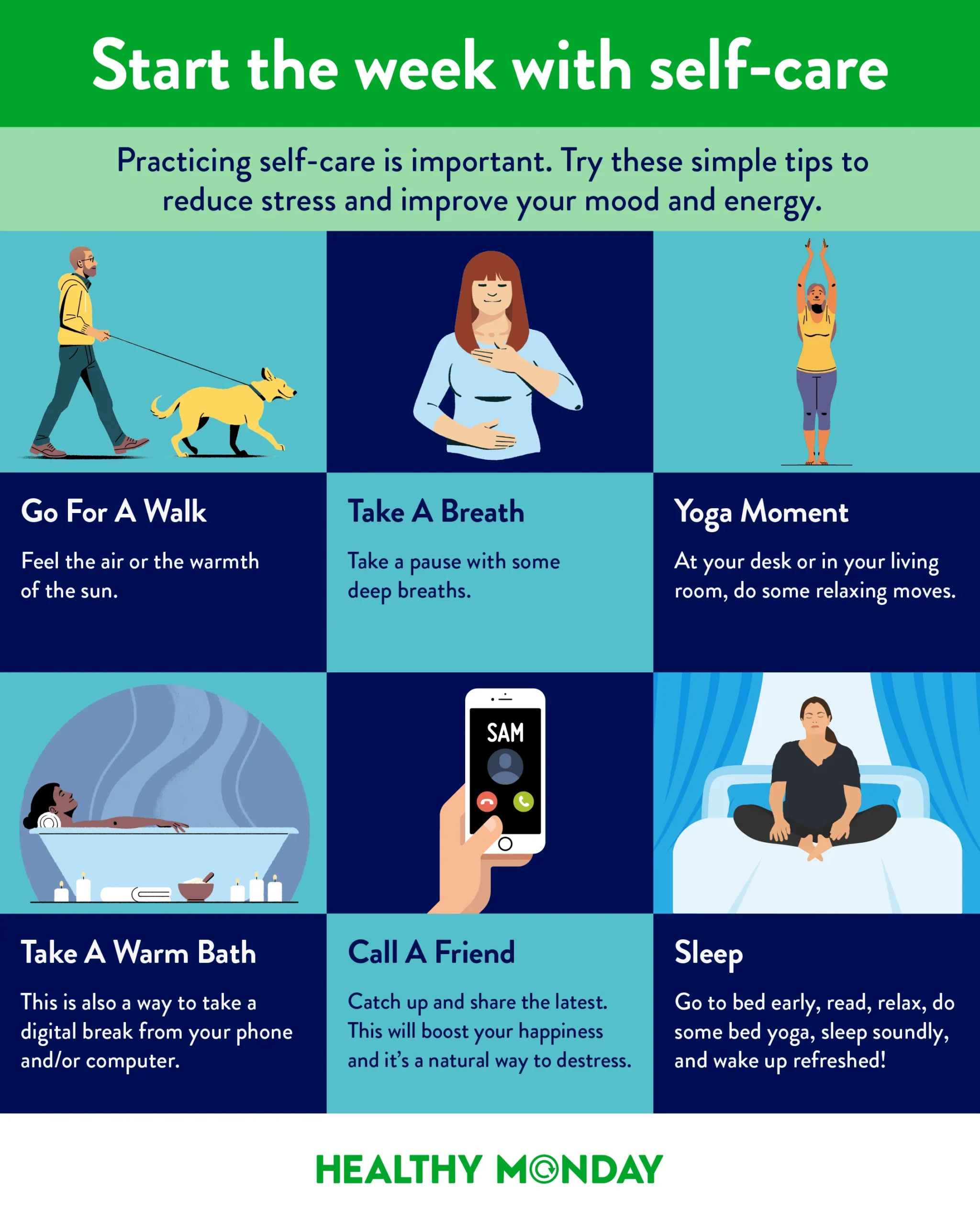
How you wind down after work directly impacts your ability to feel rested and ready for the next day. Evening rituals might include reading, gentle yoga, or simply unplugging from digital devices well before bedtime. These habits encourage your body to relax and recover from the day’s pressures, leading to better sleep and lower stress levels over time.
Mindfulness and Mental Health Strategies
Simple Mindfulness Exercises at Your Desk
Mindfulness doesn’t require a quiet room or a cushion on the floor. Even at your desk, you can practice being fully present. Take a moment to focus on the sensations of your breath or notice the sounds around you without judgment. These brief mental pauses help interrupt the cycle of stress and bring clarity to your thoughts, making challenges feel more manageable.
Breathing Techniques to Manage Anxiety Quickly
When anxiety strikes, your breath often becomes shallow and fast. Deliberate breathing methods, like slow inhalations followed by extended exhalations, can calm the nervous system almost instantly. These techniques are discreet and effective, providing a quick escape hatch from rising tension without requiring much time or space.
Physical Activities that Help Relieve Stress
Quick Office Stretches and Movements
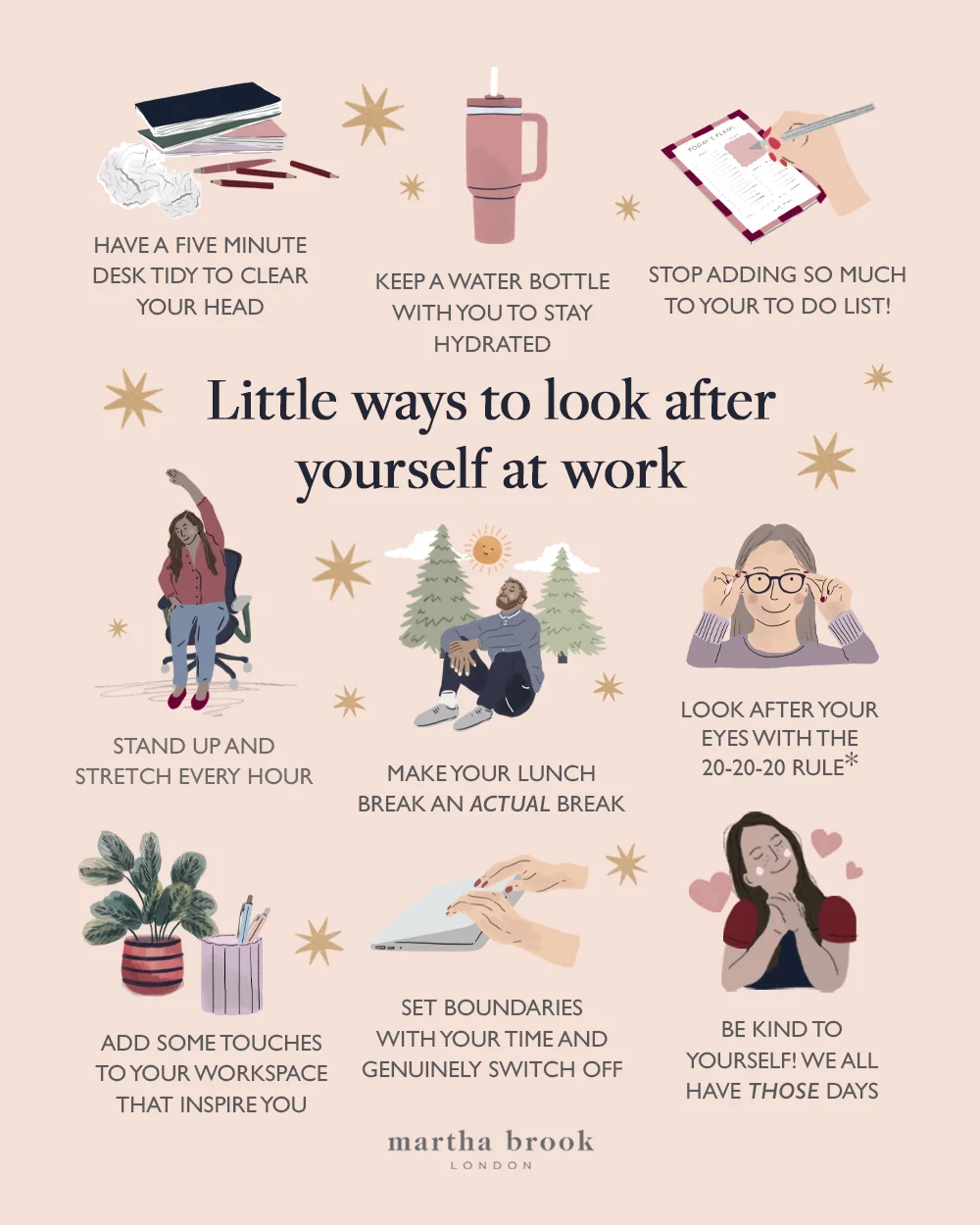
Sitting for extended periods can add to physical discomfort and tense muscles, worsening stress symptoms. Simple stretches targeting the neck, shoulders, and back can alleviate this tension. Even standing up and gently twisting or reaching can improve circulation and release built-up stiffness, helping you feel refreshed and more at ease during busy work hours.
Incorporating Walking Breaks into Your Day
Introducing short walking breaks into the workday provides a dual benefit. Physically, it helps reduce muscle tightness and boost energy levels. Mentally, a change of scenery and some movement can clear your mind and improve focus. Whether it’s a stroll around the office or a quick walk outside, these breaks carve out moments of renewal amidst hectic schedules.
Nutrition and Hydration Tips for Stress Management
Foods That Support Mental Wellbeing
What you eat influences more than just your physical health—it shapes your mood and energy, too. Nutrient-rich foods like fruits, vegetables, nuts, and whole grains support brain function and can help stabilize emotions during stressful periods. Avoiding excess sugar or heavily processed snacks keeps energy levels steady, preventing the crashes that add to feelings of overwhelm.
Importance of Staying Hydrated During Work
Hydration is often overlooked but plays a crucial role in managing stress. Even mild dehydration can cause headaches, fatigue, and decreased concentration. Keeping a water bottle nearby encourages regular sips throughout the day, supporting both mental clarity and physical wellbeing. It’s a small step that can make a surprisingly big difference.
Creating a Supportive Work Environment
Organizing Your Workspace for Reduced Stress
A cluttered or disorganized desk can increase feelings of chaos and make it harder to focus. Taking time to tidy and personalize your workspace creates a more calming and efficient environment. Simple touches like plants or natural light also boost mood, transforming your area into a place that supports productivity rather than adding to stress.
Building Positive Relationships with Colleagues
Work stress doesn’t have to be faced alone. Having positive interactions with coworkers can provide emotional support and even practical help. Taking a moment to connect, share a laugh, or collaborate on challenges fosters a sense of community that lightens the daily load. These relationships create a network of encouragement and understanding when things get tough.
Leveraging Technology to Enhance Self-Care
Apps and Tools for Stress Reduction
Technology can be a useful ally in managing stress when used mindfully. Many apps offer guided meditation, breathing exercises, or reminders to pause and take breaks. These resources bring structure to self-care practices and can fit easily into a busy schedule. Exploring what resonates with you allows technology to enhance rather than complicate your day.
Setting Boundaries with Digital Devices
While technology supports work, it can also be a source of constant distraction and pressure. Setting limits on checking emails or turning off notifications during breaks helps create mental space. Establishing these boundaries encourages a healthier balance, reducing stress caused by feeling ‘always on’ and allowing more time for genuine relaxation.
Conclusion: Making Self-Care a Priority Every Workday
In the fast pace of work life, self-care might seem like an extra task, but it’s truly essential for maintaining balance and wellbeing. Simple, consistent habits woven into your day can transform how you handle stress, boosting both your health and productivity. From mindful moments to physical movement and nourishing choices, investing in yourself during hectic workdays creates a foundation for long-term resilience. Remember, taking care of your mental and physical needs isn’t a luxury—it’s a vital part of thriving in any career.