Why Create a Mini Home Spa?
The Benefits of At-Home Relaxation
In today’s fast-paced world, stress accumulates quickly, making relaxation not just a luxury but a necessity. Creating a mini home spa provides an immediate retreat where you can decompress without leaving your house. This convenience encourages more frequent self-care, which is essential for mental and physical well-being. At-home relaxation helps reduce anxiety, improve sleep quality, and rejuvenate your energy levels—all without the need to book appointments or travel.
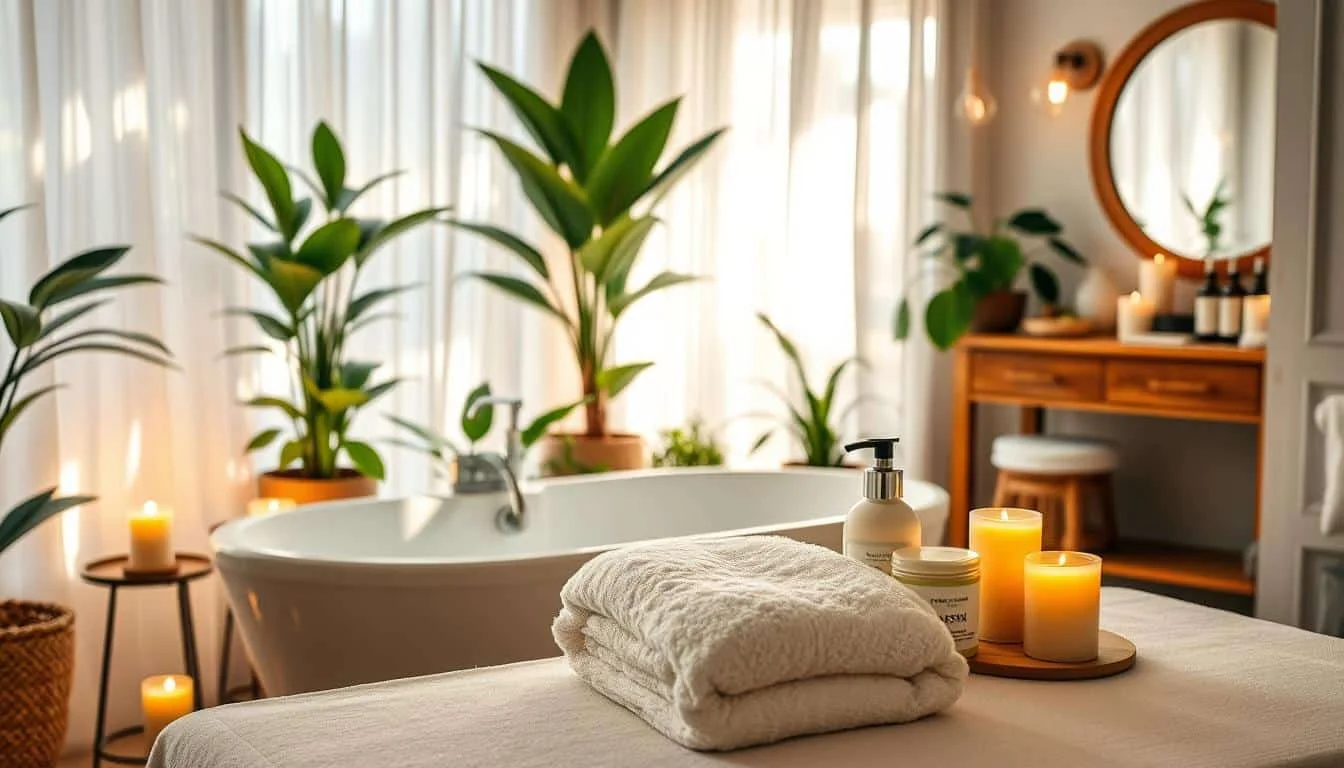
Comparing Home Spa vs. Professional Spa
While professional spas offer expert treatments in serene environments, they can be costly and time-consuming to access. On the other hand, a mini home spa allows you to customize your experience according to personal preferences, offering flexibility and control. The home setting eliminates scheduling conflicts and long wait times, though it requires a bit of effort to set up. Understanding this trade-off highlights why many people turn to DIY spa solutions for regular self-care.
Essential Ingredients for Your Mini Spa
Choosing the Right Scents and Oils
Aromatherapy plays a crucial role in enhancing relaxation during spa sessions. The challenge is finding scents that soothe without overwhelming. Essential oils like lavender, chamomile, and eucalyptus are popular choices because they help calm the mind and relieve tension. Selecting oils with natural, therapeutic qualities rather than synthetic fragrances prevents irritation and enhances the overall effect. Knowing your scent preferences and any allergies is key before incorporating these into your spa routine.
Must-Have Tools and Equipment
Creating a functional mini spa requires some basic but effective tools. These include a comfortable reclining chair or mat, soft towels, a facial steamer or bowl for hot water, and accessories like a jade roller or exfoliating brush. Using quality items that enhance comfort and treatment quality is important; cheap or uncomfortable gear can detract from your relaxation experience. Having dedicated storage for these tools also helps maintain an organized and inviting space.
Setting the Ambiance: Mood and Environment
Lighting Techniques for Relaxation
Bright, harsh lighting is an enemy of calmness in spa environments. Instead, soft, warm light helps signal the brain to shift into a rest mode. Using dimmable lamps, candles, or string lights can create a soothing glow that promotes relaxation. It’s also beneficial to control natural light with curtains or blinds, preventing glare that might interrupt the calming atmosphere you’re working to establish.
Soundscapes and Music Selection
Silence can sometimes be unsettling, so having the right background sounds is vital. Nature sounds such as rain, ocean waves, or forest ambiance can induce a meditative state by masking distracting noises. Alternatively, gentle instrumental music with a slow tempo helps lower heart rate and encourages mindfulness. Avoid tracks with sudden changes or lyrics that might engage the mind too actively during your spa time.
Step-By-Step Setup Process
Preparation and Cleaning
The foundation of a successful mini spa begins with a clean and clutter-free space. Untidiness can cause stress, counteracting your goal. Begin by thoroughly cleaning the area intended for spa activities, wiping surfaces and laundering linens. Clear out unrelated items to maintain focus on relaxation. This initial effort ensures a fresh environment that mentally prepares you to unwind.
Creating Your Relaxation Zones
Dividing your mini spa into zones tailored to specific activities—such as steaming, massaging, or resting—helps structure the experience and prevents chaos. For example, designate one corner for facial treatments equipped with towels and oils, and another cozy nook for reclining with a heated blanket and music controls. This separation reduces distractions and enhances immersion in each step of your self-care routine.
Implementing Your Spa Treatments
With your space ready, proceed methodically through your chosen treatments. Begin by steaming your face or soaking your feet to open pores and relax muscles. Continue with exfoliation or gentle massage using oils and tools to stimulate circulation. Finish with a hydrating mask or moisturizer to lock in benefits. Following a clear sequence prevents rushing and maximizes the restorative power of each step.
Post-Spa Care
Hydration and Skincare Tips
After pampering yourself, it’s tempting to skip afterward care, but this phase is critical. Drinking water replenishes fluids lost through sweating and improves detoxification. Applying gentle moisturizers helps restore skin’s barrier, preventing dryness caused by treatments. Avoiding heavy makeup or harsh products for several hours allows your skin to fully absorb the benefits and maintain a healthy glow.
Maintaining Your Mini Spa Space
Neglecting upkeep can quickly turn your tranquil spa into a cluttered corner, undermining relaxation efforts. Regular cleaning of tools, washing linens, and tidying the space after each session keeps it inviting. Scheduling periodic deep cleans and checking supplies ensures you’re always ready for a spontaneous spa day. Consistency in maintenance transforms your mini spa into a long-term oasis for stress relief.