Understanding the Influence of Fit on Personal Style
What Does “Poorly Fitted Clothes” Really Mean?
Poorly fitted clothes refer to garments that do not align well with your body’s natural shape and measurements. These can be clothes that are either too tight, too loose, or improperly proportioned around key areas such as shoulders, waist, sleeves, and hips. When your clothes fail to fit correctly, they can create discomfort, restrict movement, and most importantly, detract from your overall appearance.
The Psychology Behind Clothing Fit and Confidence
How you perceive yourself is closely tied to how your clothes fit. Well-fitted clothing enhances your posture and silhouette, which tends to boost self-assurance. When clothes fit poorly, it can cause distraction or self-consciousness, making you less confident in social or professional settings. This psychological connection underscores why fit is paramount to expressing your personality through style.
Common Misconceptions About Style and Fit
Many people believe that style relies solely on trends or brand names, overlooking the fundamental importance of fit. Another common misconception is that oversized clothes are always more fashionable or comfortable, or that tight clothing highlights one’s figure perfectly. In reality, neither extreme serves every body type well, and good fit accommodates both comfort and aesthetic balance effectively.
How Poor Fit Undermines Your Overall Appearance
Visual Effects of Oversized Clothing
Oversized clothes can quickly swamp your frame, making you appear larger or shapeless. They often create unintentional bulk or wrinkles, which obscure your natural silhouette. Even on casual days, oversized garments need thoughtful styling to avoid a sloppy look that diminishes your style impact.
The Problems with Clothes That Are Too Tight
On the other end, clothes that are too tight can cause discomfort and restrict movement, drawing unwanted attention to areas where fabric strains. Tight-fitting clothes also emphasize proportions that might be better balanced with a slight allowance of space. This can lead to a less flattering shape and sometimes come off as unprofessional or ill-considered.
Impact on Body Proportion and Silhouette
The right fit enhances your natural body shape by supporting clean lines and balanced proportions. Poor fit disrupts this harmony, causing visual imbalances—like making shoulders seem narrower or hips wider than they are. Maintaining proportionality is key to appearing polished and intentional in your style choices.
Identifying Your Unique Body Shape for Better Fit
Basic Body Shape Categories
Understanding your basic body shape is a critical step toward achieving a perfect fit. Common categories include rectangle, triangle (pear), inverted triangle, hourglass, and oval. Each shape has distinct characteristics such as shoulder width, waist definition, and hip size, which influence how clothes should be tailored or selected.
How Different Fits Complement Different Body Types
Once you recognize your body shape, you can choose fits that highlight your best features. For example, hourglass figures benefit from clothes that cinch at the waist, while triangle shapes may prefer garments that broaden shoulders or streamline hips. Properly tailored pieces enhance your natural curves or angles, making your outfits more flattering and comfortable.
Solutions: Tailoring and Alterations to Rescue Your Style
When to Visit a Professional Tailor
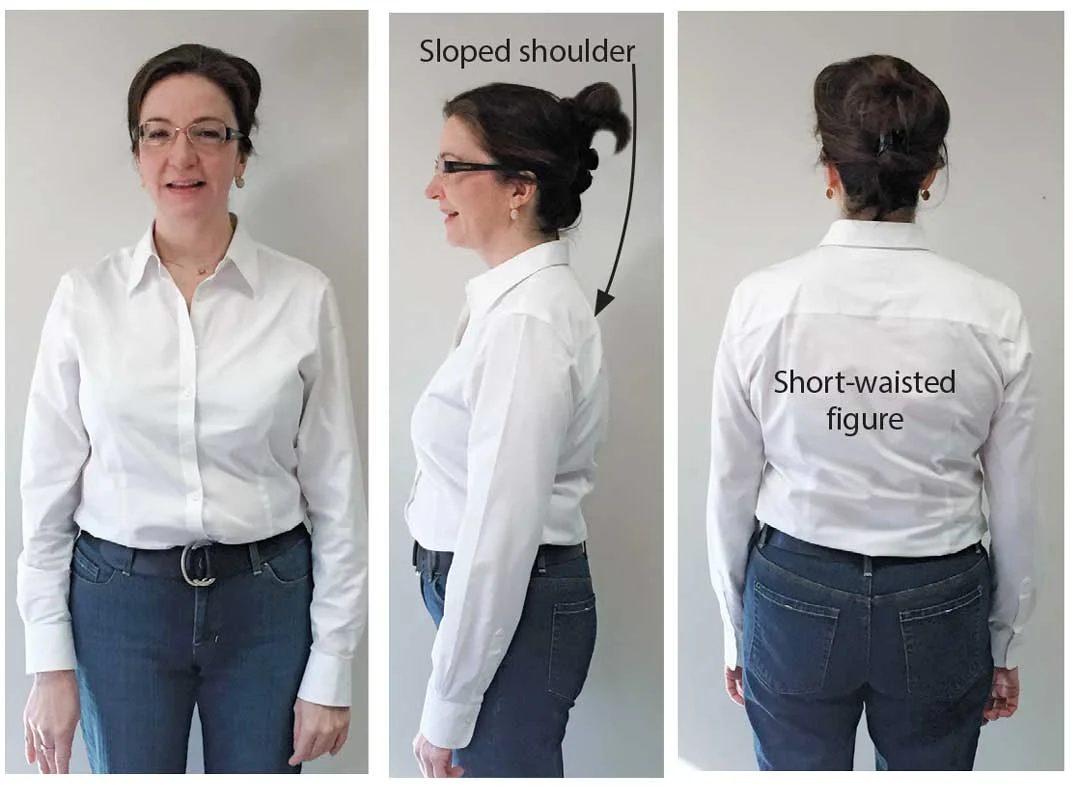
Professional tailoring is invaluable when off-the-rack clothes don’t fit perfectly. If you notice issues like excess fabric on sleeves or shoulders, uneven hemlines, or waistbands that don’t sit correctly, it’s worth consulting a tailor. Alterations can transform inexpensive or off-the-rack pieces into wardrobe staples that fit like custom-made garments.
Simple DIY Adjustments to Improve Fit
While some adjustments require professional skill, small DIY fixes can make a big difference. Basic hemming, adding fabric tape for temporary changes, or altering buttons and hooks can provide improved fit and comfort. These simple modifications can extend the life of your clothes and save you money between tailor visits.
Choosing Clothes Designed for Your Measurements
Investing in clothing brands that offer a wide range of sizes or customizable fits can reduce the need for alterations. Paying close attention to garment measurements and comparing them to your own can streamline your shopping experience and ensure better initial fit. This practice saves time and frustration over poorly sized purchases.
Shopping Smarter: Tips to Avoid Fit Issues Before Buying
Understanding Brand Sizing Variations
Sizes vary significantly between brands due to differing size charts and target demographics. Learning to interpret these variations is crucial. Instead of relying solely on numeric sizes, focus on garment measurements and fabric stretch properties. This approach promotes more reliable shopping choices.
How to Measure Yourself Accurately at Home
Accurate measurements are the foundation of choosing well-fitted clothes. Use a flexible tape measure and ensure it’s level across the body areas such as chest, waist, hips, inseam, and shoulders. Taking measurements periodically is important, as body shape and size can change over time.
Trying On Clothes: What to Look For in Fit
When trying on clothing, evaluate comfort and movement first. The garment should feel neither restrictive nor excessively loose. Check key areas such as shoulder seams aligning with your shoulders, sleeves ending at the wrists, and waistbands sitting comfortably without pinching or sagging. Don’t forget to observe yourself from various angles in a mirror.
Integrating Proper Fit Into a Cohesive Wardrobe
Building Capsule Pieces That Fit Perfectly
A capsule wardrobe relies on key pieces that fit flawlessly and mix seamlessly. Choosing versatile items with excellent fit allows for effortless styling and reduces decision fatigue. These foundational pieces create a reliable base that amplifies your personal style.
Mixing Tailored Clothes With Personal Style
Incorporate tailored pieces into your wardrobe in ways that express your unique personality. Tailoring doesn’t mean sacrificing creativity; it means enhancing your chosen style with clothes that highlight your best qualities. Experiment with different textures, colors, and silhouettes while prioritizing fit.
Maintaining Fit Over Time: Care and Adjustments
Clothes can stretch, shrink, or lose shape with wear. Regular care such as proper washing, drying, and storing ensures longevity of the fit. Additionally, staying alert for when a garment’s fit starts to change allows timely alterations to maintain a polished look throughout the life of your clothing.