Understanding the Basics of Blush Application
Different Types of Blush and Their Uses
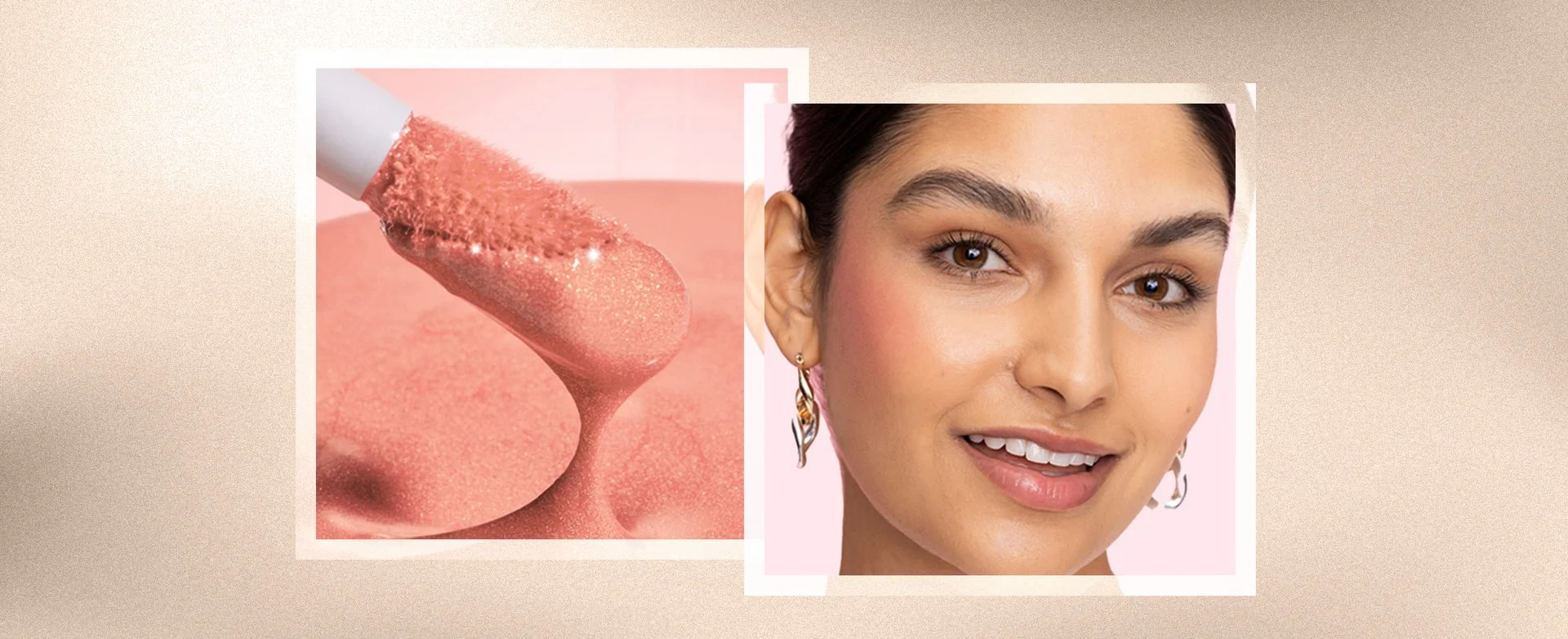
Blush comes in several forms, each suited for different needs and skin types. Powder blush is the most traditional and versatile, ideal for oily or combination skin as it helps absorb excess shine. Cream blush offers a dewy finish and works wonderfully on dry or mature skin, providing a natural, hydrated glow. Gel blushes, though less common, deliver a fresh, lightweight feel and are perfect for those who prefer a more subtle flush. Understanding which formula fits your skin type and desired look sets the foundation for flawless application.
Choosing the Right Blush Shade for Your Skin Tone
Selecting a shade that complements your complexion is crucial to achieving a natural and flattering appearance. For fair skin tones, soft pinks and peaches tend to enhance the cheeks without overwhelming delicate skin. Medium skin tones are well complemented by rose, mauve, or coral hues that add warmth. Deep skin tones shine with rich berries, plums, or vibrant oranges, which create a radiant effect. By recognizing your undertone—cool, warm, or neutral—you can better match blush shades that enhance your natural beauty.
Frequent Errors in Applying Blush
Using Too Much Product: How to Avoid Overdoing It
One of the most common mistakes is applying blush too heavily, leading to a harsh or artificial look. It’s easy to get carried away, especially with pigmented formulas. The key is to start with a light hand and build intensity gradually. Tapping off excess product from the brush before application and applying in soft layers helps maintain control. Remember, it’s simpler to add more blush than to remove excess once it’s on the skin.
Wrong Placement: Avoiding Face Shape Blush Mistakes
Incorrect placement can throw off facial proportions rather than enhance them. For round faces, placing blush slightly higher on the cheekbones and blending outwards can create a slimming effect. Oval faces benefit from a gentle sweep across the apples of the cheeks. Square jawlines are softened by applying blush from the center of the cheek towards the temples. Understanding your face shape is essential to avoid applying blush in ways that accentuate undesirable areas or make the face appear unbalanced.
Ignoring Skin Type and Texture
Applying blush without considering your skin’s texture can lead to patchy or uneven results. Matte powder blushes may emphasize dry or flaky patches. Conversely, cream blush might slide off oily skin if not set properly. Those with acne-prone or textured skin should opt for formulas that won’t cling to imperfections or highlight pores excessively. Tailoring your blush product and technique to your skin type ensures a smooth and attractive finish.
Step-by-Step Guide to Flawless Blush Application
Prepping Your Skin for a Smooth Finish
Start by cleansing and moisturizing your face to create an even canvas. Applying a primer suited to your skin type can smooth out texture and help your makeup last longer. A light dusting of translucent powder provides a base for powder blush, while a hydrating base suits cream and gel formulas. Proper skin preparation reduces the risk of patchiness and helps the blush blend seamlessly.
Techniques for Different Blush Formulas (Powder, Cream, Gel)
For powder blush, use a fluffy brush to pick up product, tap off excess, and gently apply to the apples of the cheeks with circular motions before blending upward. Cream blush should be applied using fingertips or a damp makeup sponge to press and blend the product into the skin for a natural glow. Gel blush often works best applied with fingertips, dabbing lightly and blending quickly before it sets. Each formula requires a slightly different approach to maximize its benefits and avoid streaks or spots.
Blending Tips for a Natural Look
The key to a believable flush is meticulous blending. After applying your chosen blush, use a clean brush or sponge to softly diffuse harsh edges. Take your time working the color into the skin so it appears as a natural flush rather than a stark patch. Moving in small, circular or tapping motions helps the blush meld with your foundation, enhancing your overall complexion without looking painted on.
Pro Tips and Tricks to Enhance Your Blush Look
Using Blush to Sculpt and Highlight
Blush isn’t limited to just adding color; it can also enhance your face’s structure. Applying blush slightly beneath the cheekbones can create subtle contouring when combined with a highlighter on the high points of the cheeks. This contrast accentuates bone structure and adds dimension. Experimenting with placement allows you to tailor your look to your unique features more effectively.
Layering Blush with Other Makeup Products
Blush can be layered with lip and eye colors for a harmonious appearance. For instance, a matching or complementary lip shade can tie the look together, while coordinating eyeshadow tones can balance the face’s color palette. When layering, it’s important to consider the intensity of each product. If your blush is bold, keep other features subtle to avoid overwhelming the face.
Setting Blush for Long-Lasting Wear
To maintain your beautiful flush throughout the day, setting your blush is key. For powder blush, a light application of translucent setting powder can lock it in place. With cream or gel formulas, a setting spray designed for longevity helps prevent fading or smudging. This final step ensures your makeup looks fresh from morning till night without the need for frequent touch-ups.