Introduction to DIY Hair Masks
Why Choose Homemade Hair Masks?
In a world filled with countless hair products promising miraculous results, turning to homemade hair masks might seem old-fashioned, but it has never been more relevant. Choosing DIY masks allows you to take full control over what goes onto your hair, avoiding harsh chemicals and unnecessary additives. Imagine the comfort of knowing exactly which natural ingredients nourish your scalp and strands without any hidden surprises. For instance, Sarah, a busy mom, found that making her own hair masks not only saved her money but also helped her manage her dry, brittle hair more effectively than store-bought treatments.
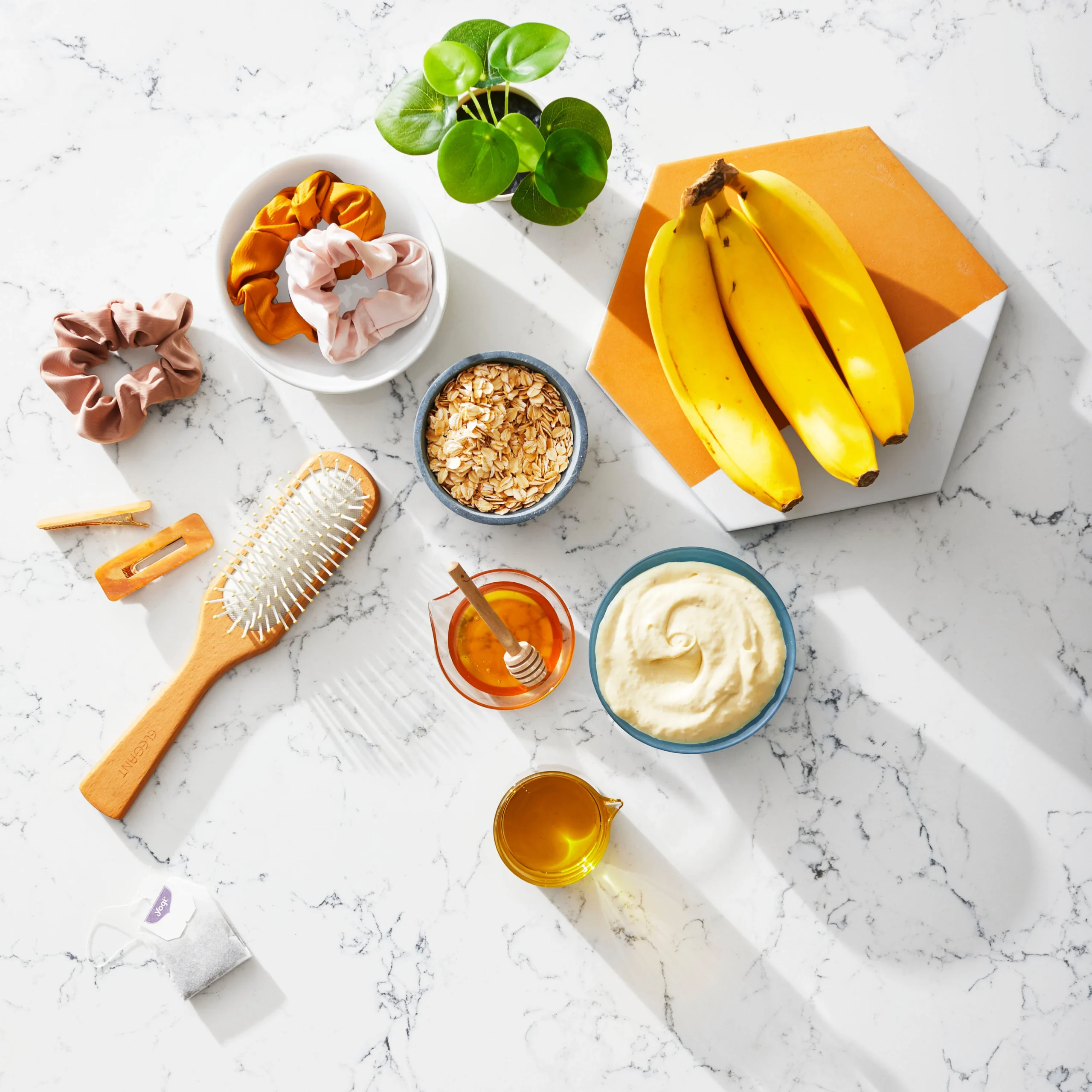
Benefits of Using Kitchen Ingredients
Kitchen ingredients like avocado, honey, and coconut oil have been staples in beauty routines for centuries. They offer rich nutrients, vitamins, and moisturizing properties that modern hair products often mimic. Using these natural items means you can refresh your hair treatment routine with easy, affordable, and eco-friendly options. Plus, these ingredients are gentle on the scalp, reducing the risk of irritation or allergic reactions. Imagine whipping up a nourishing mask during your weekly kitchen prep, turning an everyday cooking session into a beauty ritual.
Top Kitchen Ingredients for Nourishing Hair
Avocado: The Moisturizing Powerhouse
Avocado is widely recognized for its creamy texture and rich content of vitamins E and B, both essential for hair hydration and repair. Take the case of Mia, who struggled with flaky scalp and dull hair. Once she incorporated avocado masks into her routine, her hair regained softness and shine within weeks. The natural oils in avocado penetrate hair shafts, sealing in moisture that helps prevent breakage and split ends.
Honey: Natural Conditioner and Shine Enhancer
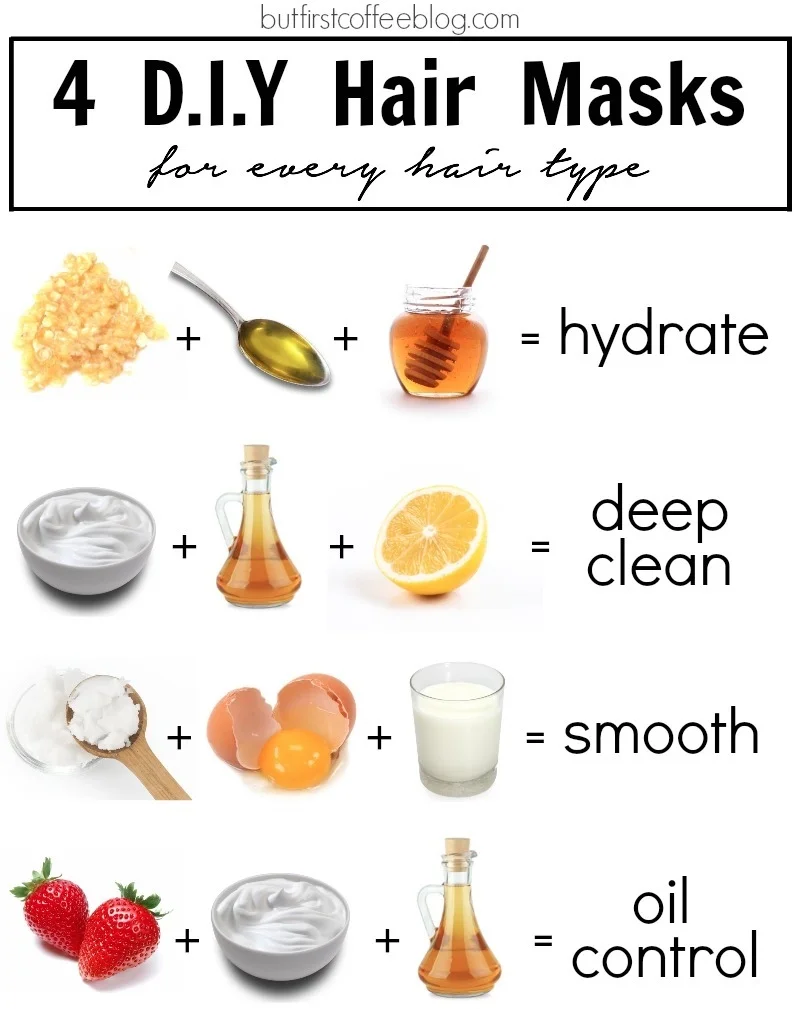
The sticky sweetness of honey does more than taste good; it acts as a humectant, drawing moisture into your hair. James, who battled dry, frizzy hair after frequent heat styling, found that honey masks restored his hair’s natural luster and softness. This ingredient also has antibacterial properties that can soothe itchy, irritated scalps, promoting healthier growth conditions.
Coconut Oil: Deep Penetration for Stronger Hair
Coconut oil is celebrated for its unique ability to penetrate deep into the hair shaft, strengthening from within. This became evident to Laura when she used coconut oil masks during a harsh winter; her hair remained resilient against dryness and breakage. Its medium-chain fatty acids help reduce protein loss, making hair both stronger and shinier without the greasy feeling when applied correctly.
Eggs: Protein Boost for Hair Strength
Eggs pack a punch of protein, biotin, and essential fatty acids that are critical to robust hair health. Tom, who had thinning hair, noticed improved texture and thickness after introducing egg-based masks into his regimen. The proteins in eggs temporarily coat the hair, filling in damaged spots and making strands feel fuller and healthier.
Yogurt: Scalp Soothing and Repair
Known for its probiotics and lactic acid, yogurt gently exfoliates the scalp, removing dead skin cells and reducing dandruff. Hannah, suffering from a dry, itchy scalp, saw significant relief after regular yogurt mask applications. By nourishing the scalp and restoring its natural pH, yogurt helps create an ideal environment for hair growth.
Simple DIY Hair Mask Recipes
Avocado and Honey Mask for Dry Hair
To combat dryness, blend one ripe avocado with two tablespoons of honey until smooth. This mask combines the deep moisturizing properties of avocado with honey’s humectant benefits. When Jenna applied this mixture after a long sun-exposure day, her hair felt instantly softer and looked healthier without any residue.
Coconut Oil and Egg Treatment for Damage Repair
Mix one egg with two tablespoons of coconut oil to create a potent repair treatment. Apply it evenly to damp hair, focusing on the ends, to restore protein and nourish strands. This mask worked wonders for Mike, whose hair was damaged by frequent coloring, helping to rebuild and protect his locks.
Yogurt and Olive Oil Blend for Scalp Health
Combine half a cup of plain yogurt with one tablespoon of olive oil for an ideal scalp soothing mask. Olivia found this blend perfect for calming her itchy scalp while adding a subtle shine to her hair. Olive oil’s antioxidants complement yogurt’s exfoliating power, enhancing scalp circulation and nourishment.
How to Apply and Use DIY Hair Masks Effectively
Step-by-Step Application Guide
To maximize the benefits of your homemade hair mask, start by detangling your hair with a wide-tooth comb. Ensure your hair is slightly damp, as this helps the mask absorb better. Apply the mask generously from roots to ends, paying special attention to the driest areas. Cover your hair with a shower cap or warm towel to create gentle heat, which enhances penetration. Leave the mask on for 20-30 minutes before washing it out with lukewarm water and a mild shampoo. These simple steps helped Anna transform her dull hair into vibrant, touchable locks within a month.
Recommended Frequency for Different Hair Types
Dry or damaged hair benefits from weekly mask applications to restore moisture and strength, while oily hair types may only need treatments once every two weeks to avoid weighing hair down. Normal hair types can maintain shine and health with biweekly use. Listening to your hair’s response is essential—if it feels greasy or heavy, reduce the frequency. For example, Mark, with naturally oily hair, learned to use masks less often to keep his scalp balanced and hair fresh.
Additional Tips for Maintaining Hair Health Naturally
Diet and Hydration for Strong Hair
Beautiful hair starts from within. Incorporating a diet rich in omega-3 fatty acids, vitamins A, C, and E, as well as sufficient protein, supports hair growth and health. Staying hydrated ensures scalp doesn’t dry out, preventing flakes and itchiness. Emma found that drinking at least eight glasses of water daily and eating nutrient-dense foods made her hair stronger and shinier, complementing her external treatments perfectly.
Avoiding Harmful Hair Products
Many commercial shampoos and styling products contain sulfates, parabens, and synthetic fragrances that can damage hair over time. Rachel switched to sulfate-free shampoos and embraced natural styling options, which significantly reduced her hair breakage and scalp irritation. By choosing gentle, natural alternatives and minimizing heat styling, you protect your hair’s natural integrity and prolong the effects of your homemade masks.