Understanding Stress in Sedentary Jobs
How Sedentary Work Impacts Women’s Mental Health
Spending long hours sitting at a desk is a reality for many women working in office environments or remote positions. While stationary work might seem calm on the surface, it can quietly affect mental health over time. The lack of physical activity reduces the release of mood-enhancing hormones, and the constant pressure to meet deadlines or manage multitasking can lead to a buildup of stress. Women, in particular, may experience heightened emotional responses due to hormonal fluctuations and the challenge of balancing work with other life responsibilities. This combination creates a unique mental health landscape in the sedentary workplace.
Common Signs of Stress in the Workplace
Recognizing stress early is key to managing it effectively. At a desk job, stress often manifests in subtle ways before becoming overwhelming. You might find yourself feeling consistently tired despite adequate sleep or notice persistent headaches and muscle stiffness. Concentration can wane, and frustration might build up over seemingly minor tasks. Emotional symptoms like irritability or anxiety can creep in, along with physical signs such as elevated heart rate or shallow breathing. Being attuned to these signals can prompt timely changes that support well-being.
Why Desk Exercises Are Crucial for Stress Relief
The Science Behind Movement and Stress Reduction
Movement triggers the release of endorphins, which are natural mood lifters. Even small amounts of physical activity can counteract the negative impact of prolonged sitting by improving blood flow and oxygen delivery to the brain. This helps clear mental fog and reduce feelings of anxiety. Engaging in simple desk exercises also redirects focus, offering a break from stressful thoughts and allowing the nervous system to reset. The body and mind are intricately connected, so incorporating movement is a direct way to ease tension.
Benefits Specifically for Women in Sedentary Roles
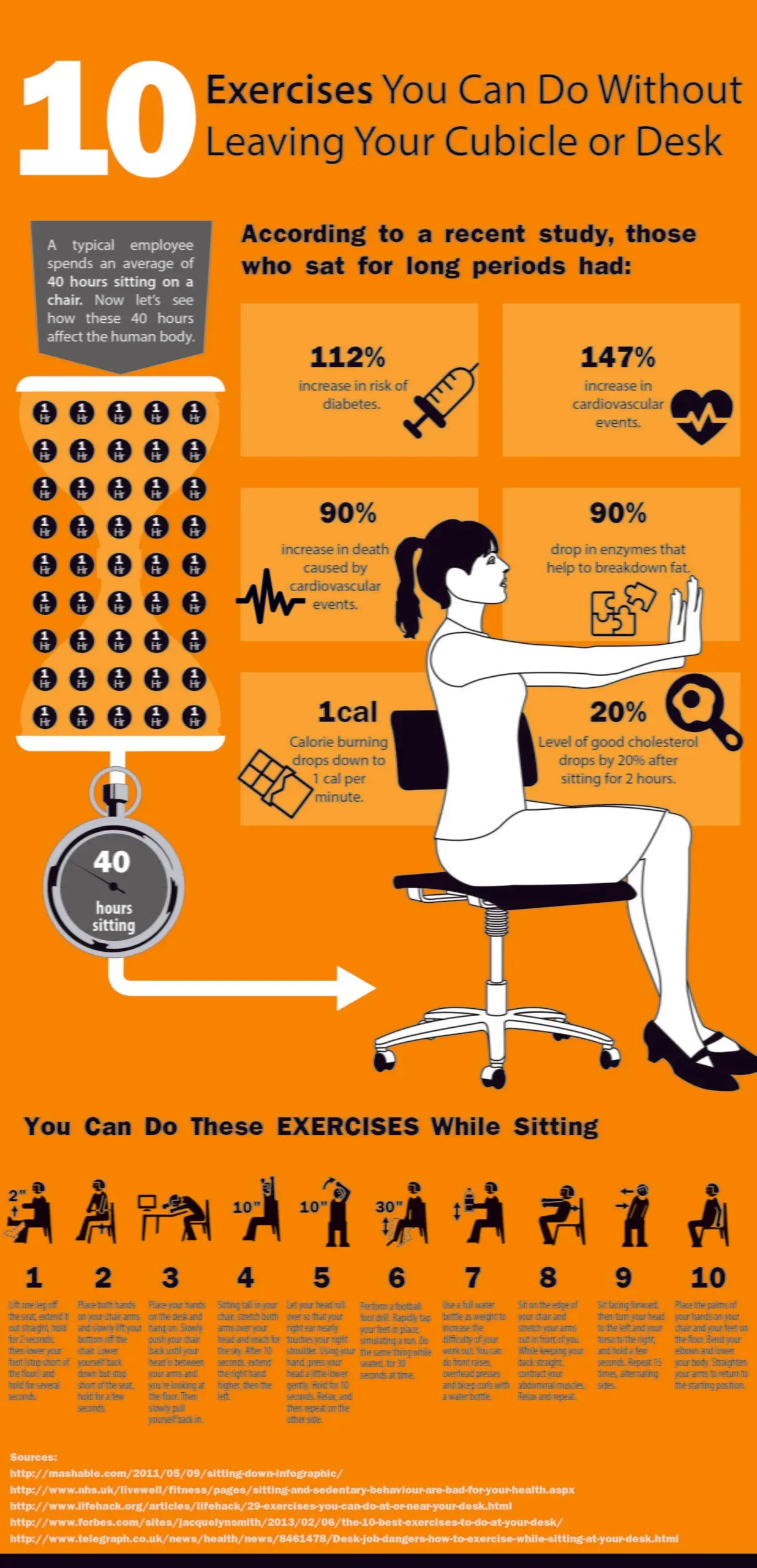
For women, desk exercises can be particularly impactful. Beyond reducing stress, gentle movements help alleviate musculoskeletal discomfort common in female office workers, such as neck and lower back pain. These exercises support better posture, which contributes to increased confidence and reduced fatigue. Furthermore, regular movement can improve mood regulation, which may be influenced by hormonal cycles, making these exercises a valuable tool for emotional balance throughout the workweek.
Top 7 Desk Exercises to Instantly Reduce Stress
Neck and Shoulder Stretches to Ease Tension
Neck and shoulder tightness is a frequent complaint among desk-bound workers. Simple stretches, like gently tilting the head from side to side and rolling the shoulders backward, can release accumulated tension. These movements help loosen stiff muscles and encourage better posture, which often deteriorates when staring at screens for hours. Performing these stretches regularly provides an immediate sense of relief, reducing the nagging discomfort that often goes unnoticed until it’s severe.
Wrist and Hand Movements to Prevent Fatigue
Typing and mouse use place constant strain on wrists and hands, potentially leading to fatigue or discomfort. Rotating wrists, stretching fingers wide, and flexing the hands can increase circulation and reduce stiffness. These exercises support joint mobility and can help prevent repetitive strain sensations that contribute to stress. Taking moments to focus on these smaller movements refreshes the hands and promotes comfort, making work feel less taxing over the day.
Seated Spinal Twists for Improved Circulation
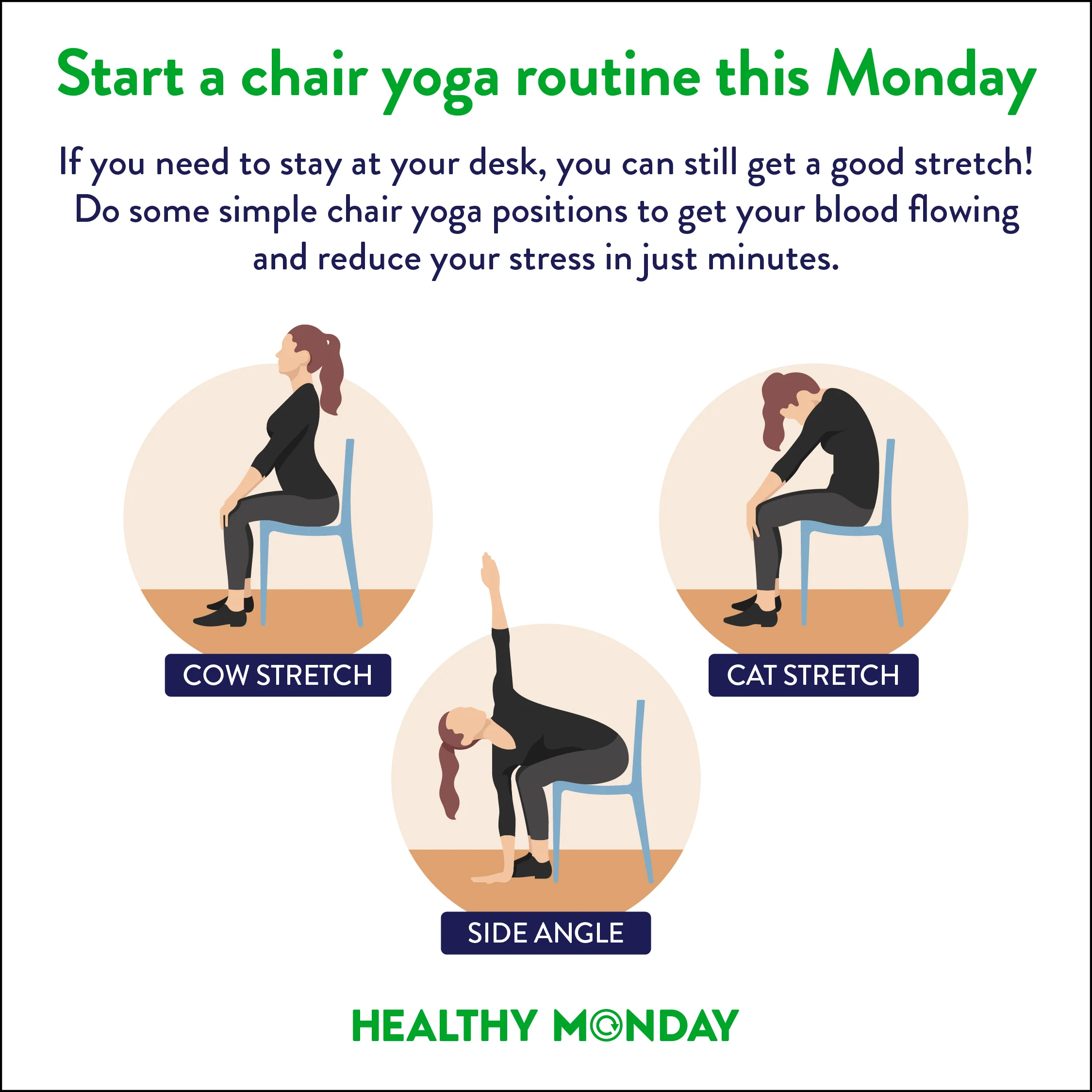
The seated spinal twist is a fantastic way to stimulate circulation and stretch the back muscles without leaving the chair. It involves gently rotating the upper body to one side while keeping the hips grounded. This action counteracts the forward hunch many adopt at their desks, opening up the chest and invigorating the spine. Alongside physical benefits, this exercise encourages deep breathing, which further helps to calm the mind and reduce stress.
Chair Squats to Boost Energy
Chair squats are a practical choice for energizing the body during a sedentary day. Standing up and sitting down repeatedly engages the large muscles of the legs and core, promoting blood flow and stimulating endorphin release. This movement wakes up tired muscles and can break the monotony of sitting, leaving you feeling more alert and ready to tackle tasks with renewed focus. Despite its simplicity, chair squats can have a surprisingly revitalizing effect.
Designing Your Daily Desk Exercise Routine
Incorporating Microbreaks Throughout the Workday
Instead of trying to fit in a long exercise session, sprinkling short microbreaks throughout your day can make a real difference. Every 30 to 60 minutes, stand up and perform a brief set of stretches or movements. These small pauses prevent stiffness from setting in and give your mind a momentary rest. Over time, these consistent breaks accumulate into significant stress reduction, helping maintain both physical comfort and mental clarity.
Balancing Desk Exercises with Other Stress-Relief Techniques
Desk exercises work best when combined with additional stress-relief habits. Mindfulness practices, such as focused breathing or short meditation sessions, complement physical movement by calming the nervous system. Hydrating regularly and maintaining a clean, organized workspace also contribute to a stress-friendly environment. Balancing these approaches creates a holistic routine that supports overall well-being amidst a demanding sedentary job.
Additional Tips for Creating a Stress-Free Work Environment
Ergonomic Workspace Setup for Women
Ergonomics plays a crucial role in minimizing physical stressors that can contribute to mental strain. Tailoring your desk, chair, and computer setup to your body’s needs helps prevent discomfort. For women, this might mean choosing adjustable chairs that provide proper lumbar support or ensuring the keyboard and mouse are positioned to reduce wrist strain. A well-arranged workspace encourages natural posture and decreases the likelihood of developing tension from poor alignment.
Mindfulness and Breathing Exercises at Your Desk
Integrating mindfulness into your workday offers a powerful counterbalance to stress. Simple breathing exercises can be done unobtrusively at your desk, helping to lower heart rate and promote relaxation. Taking a moment to close your eyes and focus on slow, deep breaths interrupts cycles of stress and centers your attention. Over time, these small practices strengthen resilience and enhance your ability to handle demanding work situations calmly.