Understanding Oily Skin and Its Challenges for Makeup
What Causes Oily Skin?
Imagine waking up to a shiny forehead just an hour after getting ready—this is a daily reality for many with oily skin. The root cause lies in overactive sebaceous glands that produce excess sebum, a natural oil meant to protect and hydrate the skin. Hormonal changes, genetics, humidity, and even diet can ramp up oil production, leading to the characteristic glossy complexion. For some, it’s a teenage phase; for others, a lifelong struggle.
How Oily Skin Affects Makeup Longevity
Take Sarah’s morning routine: she spends time blending foundation only to find by midday her makeup has slid off or appeared patchy. Why? Oily skin breaks down makeup faster because the excess sebum mixes with products, causing them to slide and lose hold. Foundation and concealer can slip into fine lines or appear cakey as oil pushes the product around. Without the right primer, makeup on oily skin can become a mess well before the day ends.
Key Features to Look for in a Primer for Oily Skin
Oil-Control Ingredients to Consider
When choosing a primer, ingredients like salicylic acid, niacinamide, and silica work wonders. Salicylic acid gently exfoliates and keeps pores clear, so oil doesn’t build up. Niacinamide regulates sebum production and reduces shine, allowing makeup to sit calmly. Silica helps absorb oil, creating a smooth canvas. These ingredients can make the difference between a makeup meltdown and staying flawless through a busy workday.
Matte Finish vs. Dewy Finish Primers
Many people assume all primers serve the same purpose, but the finish matters greatly, especially for oily skin. Matte primers offer a shine-free look that controls excess oil, perfect for long days in high humidity or under bright lights. In contrast, dewy primers add glow and hydration, which may exacerbate shine issues for oily skin types. For example, Emma, who attends outdoor events, swears by matte primers—they keep her makeup fresh without the unwanted shine.
Non-Comedogenic and Lightweight Formulas
Primers that clog pores can worsen oily skin problems, causing breakouts that make makeup application a nightmare. Non-comedogenic formulas breathe well, avoiding blockages while feeling light on the face. Heavy primers not only weigh down the skin but can also mix with oils, creating a greasy layer that makeup can’t adhere to. Look for primers described as oil-free and lightweight to avoid feeling overwhelmed or greasy beneath your foundation.
Top Types of Primers Suitable for Oily Skin
Silicone-Based Primers
Silicone-based primers, like those containing dimethicone, create a smooth, velvety base by filling in pores and fine lines. Their slight water-repellent nature helps keep oil at bay and prevents makeup from slipping. For instance, Jessica noticed her foundation lasted eight hours longer after switching to a silicone-based primer, especially during humid summer afternoons.
Gel-Based Primers
Gel primers are a refreshing choice for oily skin. Lightweight and often water-based, they absorb quickly without feeling heavy or sticky. They hydrate without adding shine and form an invisible barrier that keeps oil production in check. Mark, who has oily skin prone to acne, prefers gel primers because they don’t clog pores and keep his complexion matte all day.
Mattifying Primers with Absorbing Powders
Some primers include powders like kaolin clay or silica that actively absorb oil throughout the day. These mattifying primers manage shine effectively while providing coverage that smooths skin texture. Anna found that primers with these powders helped her maintain a fresh, matte look even during her marathon workdays, allowing her to skip midday touch-ups.
Step-by-Step Guide to Choosing Your Ideal Primer
Assess Your Skin’s Specific Needs
Start by identifying your oily skin’s behavior—is it extremely oily everywhere or concentrated in zones like the T-zone? Do you experience occasional breakouts or sensitivity? Knowing your unique skin story, like whether you live in a humid climate or have acne scars, helps narrow down primer choices. For example, if breakouts are common, a primer with salicylic acid could be ideal.
Test Primer Samples on Different Areas
Don’t assume one primer suits the whole face—try samples on your forehead, cheeks, and chin separately. Sometimes, a primer feels perfect on cheeks but turns greasy on the forehead. Testing allows you to observe how each area reacts, which is crucial for oily skin prone to uneven shine. Real-life testing over a few hours offers insights beyond just texture or scent.
Evaluate Primer Performance Throughout the Day
Apply the primer in the morning and monitor your skin over eight hours or more. Note if the primer keeps oil at bay and prevents makeup from sliding off. Did the primer cause any irritation, or did your skin feel comfortable? Continuous daily usage reveals primers that may initially perform well but falter under real-world conditions. Patience is key to finding the right match for your oily skin.
Applying Primer for Maximum Makeup Longevity
Best Techniques for Application
Sarah learned the hard way that how she applies primer affects performance. Instead of slathering it on thick, a pea-sized amount spread evenly across the T-zone sufficed. Patting the primer gently into the skin rather than rubbing helps maintain the product’s integrity. Applying primer with clean fingertips ensures even distribution without contamination that may worsen oiliness or cause breakouts.
Layering Primer with Other Skincare Products
Applying primer on freshly cleansed skin that’s well-moisturized but not greasy is essential. Lightweight, oil-free moisturizers work best. If you use serums or sunscreen, allow each layer to absorb fully before applying primer. Too many heavy layers can create a slippery surface, reducing primer effectiveness. Emily, who struggled with midday shine, found adjusting her skincare sequence improved her primer’s staying power dramatically.
Product Recommendations: Best Primers for Oily Skin in 2024
Among the top picks this year, a few primers stand out for oily skin:
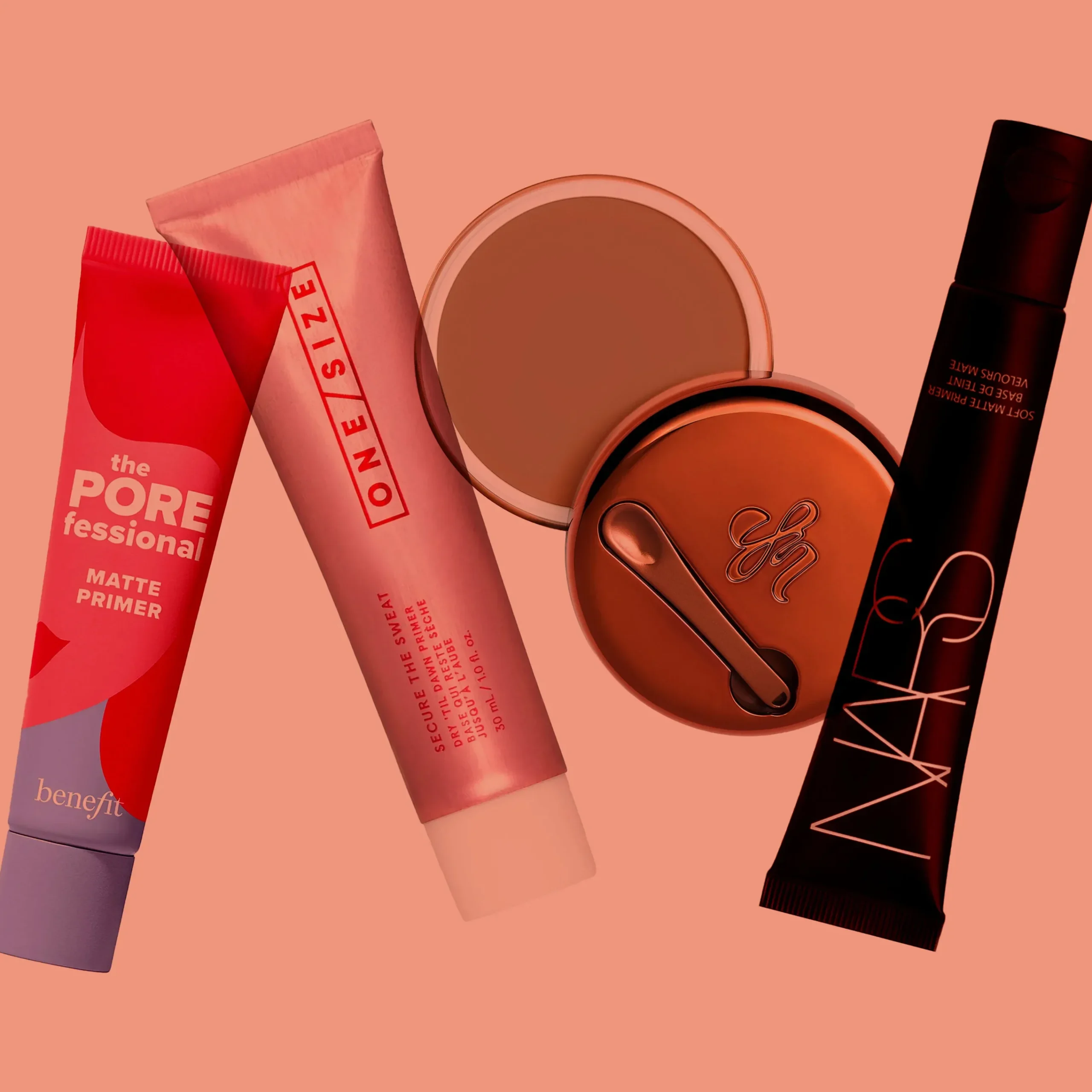
Benefit Cosmetics The POREfessional Matte Rescue: Offers a mattifying finish with lightweight coverage, perfect for oily T-zones.
Smashbox Photo Finish Oil & Shine Control Primer: Combines oil control and a pore-minimizing effect to extend makeup wear.
NYX Professional Makeup Hydra Touch Primer: A gel-based formula that hydrates without adding oil, suitable for combination to oily skin.
Trying these products in person or through samples can help confirm how they work with your unique skin chemistry.
Common Mistakes to Avoid When Using Primers on Oily Skin
Many with oily skin make the error of applying primer over unbalanced skin, such as neglecting cleansing or skipping moisturizer, which causes primers to perform poorly. Overusing too much primer believing it will control oil better is another pitfall—it often backfires by creating a greasy buildup. Additionally, choosing a primer intended for dry skin and hoping it will “hydrate oily skin” only adds to shine issues. Understanding your primer’s role and matching it to your skin’s needs is crucial for success.
Quick Takeaways
Choosing the right primer for oily skin is not just about picking any product labeled “matte.”
- Look for ingredients that regulate sebum and keep pores clear.
- Matte primers usually outperform dewy types for oily complexions.
- Test primers on varied face zones before committing to full use.
- Apply primer sparingly and layer demographics carefully with other skincare.
- Avoid common mistakes like over-application and skipping cleansing.
With these in mind, your makeup can stay fresh, flawless, and shine-free all day long.
Conclusion
Dealing with oily skin can feel like a daily battle against shine and slipping makeup, but the right primer changes the game. Understanding your skin’s behavior, focusing on oil-control ingredients, and applying your primer thoughtfully can transform your makeup routine from frustrating to flawless. Real-life experiences show that patience and careful testing reveal the primer that best fits your needs, enabling you to confidently face your day with long-lasting, matte makeup. Embrace these tips and turn oily skin challenges into triumphs with the perfect primer.