Introduction to Homemade Herbal Rinses
Herbal rinses have been cherished for centuries as a natural way to nurture hair. These simple mixtures harness the power of plants to deliver shine, strength, and vitality without harsh chemicals. Making your own herbal rinses at home is not only rewarding but also allows you to customize the blend that best suits your hair’s unique needs.
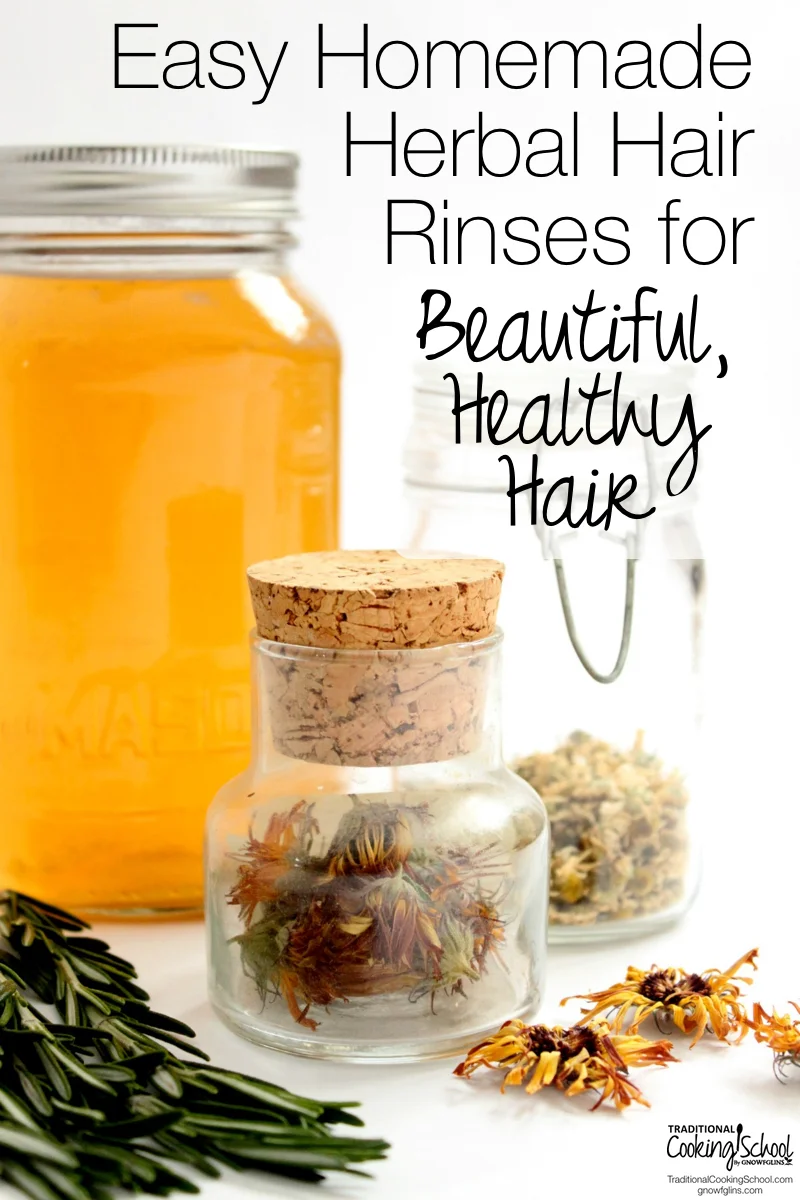
Benefits of Herbal Rinses for Hair
Herbal rinses provide gentle cleansing and conditioning while promoting scalp health. Unlike conventional products packed with synthetic ingredients, herbal infusions are rich in antioxidants and nutrients that encourage hair growth and reduce breakage. They can soothe irritation, balance oil production, and enhance natural shine. With regular use, many notice softer, more manageable hair that feels alive and resilient.
Key Ingredients and Their Properties
Different herbs bring different benefits. For example, chamomile is known for its brightening and soothing qualities, while rosemary stimulates the scalp and encourages stronger hair follicles. Nettles provide mineral wealth that supports thickness, and hibiscus adds moisture and softness. Understanding these properties helps you assemble a rinse that targets your own hair goals effectively.
Gathering Your Ingredients
The journey to beautiful hair begins with selecting the right botanicals. Fresh or dried herbs can both work, though dried herbs often yield a more concentrated infusion. Having a variety of herbs on hand lets you tailor your rinse for shine, strength, or scalp comfort.
Herbs for Shine
If your hair feels dull or lifeless, herbs like chamomile, calendula, and rosemary are excellent choices. Chamomile gently lightens and adds radiance, especially for lighter hair types. Calendula provides a subtle golden glow and soothes the scalp, while rosemary’s stimulating oils boost circulation and impart a natural sheen.
Herbs for Strength
For strengthening brittle or thinning hair, nettle and horsetail are unbeatable. Nettles are packed with silica and minerals that reinforce strands, while horsetail contains antioxidants and nutrients that boost hair growth and reduce breakage. Incorporating these into your rinse fortifies your hair from root to tip.
Additional Natural Enhancers
Adding ingredients like apple cider vinegar or green tea can elevate your herbal rinse. Apple cider vinegar balances scalp pH and adds slip, making hair easier to detangle, while green tea offers antioxidant protection and combats dandruff. These extras complement the herbs, creating a well-rounded treatment.
Preparing Your Herbal Rinse
Creating your herbal rinse is a simple, mindful process that connects you with nature’s healing power. Taking the time to brew and prepare it properly ensures maximum benefits for your hair.
Step 1: Choosing the Right Herbs
Begin by selecting herbs that align with your hair’s condition and goals. If you want to boost shine, pick chamomile or rosemary. For strength, go with nettle or horsetail. You can blend several herbs in small amounts to create a custom infusion that works best for you.
Step 2: Brewing the Herbal Infusion
Place 1 to 2 tablespoons of dried herbs (or a handful of fresh herbs) in a heatproof container. Pour boiling water over the herbs and cover to steep. Let the mixture brew for 20 to 30 minutes to extract the beneficial compounds fully. Avoid boiling herbs excessively to preserve their delicate properties.
Step 3: Cooling and Straining
Once brewed, allow your herbal infusion to cool to a comfortable temperature. Pour it through a fine mesh strainer or cheesecloth to remove all herb particles. This ensures the rinse is smooth and easy to apply without residue. Your herbal rinse is now ready to revive and nurture your hair.
How to Apply Herbal Rinses Effectively
To get the most out of your homemade rinse, applying it correctly is just as important as preparing it well. This step helps your hair absorb the nutrients and glow with health.
Post-wash Application Techniques
After shampooing and rinsing out conditioner, pour the herbal rinse slowly over your hair. Gently massage it into your scalp and run your fingers through your strands to distribute evenly. Some prefer to leave the rinse in without rinsing again, allowing the herbs to work as a leave-in treatment, while others rinse lightly with cool water for added shine.
Frequency and Timing Recommendations
Incorporating herbal rinses into your hair care routine 1 to 3 times per week is generally ideal. Overuse could lead to buildup or imbalance, though this varies by hair type. Pay attention to how your hair responds and adjust frequency accordingly. Using rinses after every wash can refresh and maintain hair health without overwhelming the scalp.
Customizing Herbal Rinse Recipes for Different Hair Types
Not all hair reacts the same way, so tailoring your herbal rinse can enhance results. Whether your hair is oily, dry, or color-treated, the right herbs and preparation method will make all the difference.
Oily Hair Solutions

For oily hair, herbs like rosemary and peppermint provide refreshing scalp stimulation and help regulate sebum production. Avoid heavy or overly moisturizing herbs that could weigh your hair down. Using a vinegar-based herbal rinse can also help balance oil without stripping essential moisture.
Dry and Damaged Hair Mixes
Dry or brittle hair benefits from nourishing herbs like hibiscus, chamomile, and aloe vera. These ingredients hydrate and soothe, restoring softness and reducing breakage. You can also add a little honey or coconut oil to your rinse for an extra moisture boost, leaving your locks silky and strong.
Color-treated Hair Considerations
Color-treated hair requires gentle, pH-balanced care to preserve vibrancy. Herbs such as hibiscus, which naturally deepen red tones, or chamomile for brightening lighter hair, are excellent choices. Avoid harsh rinses with acidic ingredients that might fade color prematurely.
Maintaining Hair Health Beyond Herbal Rinses
While herbal rinses are a wonderful addition, they work best when paired with a holistic hair care approach. Healthy habits inside and out support lasting hair vitality.
Complementary Hair Care Tips
Using mild shampoos, avoiding excessive heat styling, and protecting hair from environmental damage can amplify the benefits of herbal rinses. Regular scalp massages encourage blood flow, while trimming split ends helps maintain a polished appearance.
Diet and Lifestyle Factors
Your hair’s health reflects your overall wellbeing. Eating a balanced diet rich in vitamins, staying hydrated, and managing stress contribute significantly to strong, shiny hair. Herbal rinses compliment these efforts by providing targeted nourishment and care.
Common Mistakes to Avoid When Using Herbal Rinses
Despite their gentle nature, herbal rinses require some care in use. One common error is applying rinses too frequently or in excessive amounts, which can cause buildup or scalp irritation. Some also neglect to strain herbs properly, leaving residue that weighs hair down or clogs follicles.
Choosing herbs incompatible with your hair type may lead to less desirable effects, so it’s essential to experiment thoughtfully. Additionally, not patch testing new herbs could result in unexpected allergic reactions. Taking these precautions ensures your herbal rinse experience is safe and effective.
Conclusion: Embracing Natural Hair Care
Making your own herbal rinses is a beautiful way to reconnect with natural beauty rituals. These plant-powered treatments offer shining, strengthened hair through thoughtful care and simple ingredients. With patience and experimentation, you can create personalized infusions that uplift your hair’s health and feel like a little daily act of self-love.
Remember, healthy hair is a journey, not a quick fix. By integrating herbal rinses alongside mindful habits, you invite lasting vitality into your hair routine—naturally radiant and strong, just as it’s meant to be.