Understanding Mindful Breathing in the Workplace
What is Mindful Breathing?
Mindful breathing is the practice of focusing one’s attention deliberately on the breath, observing its natural rhythm without judgment. In a workplace setting, this technique offers a simple yet effective way to regain clarity and calm amidst the demands of a busy day. By tuning into each breath, employees create a moment of pause, which can help break the cycle of stress and distraction that often arises during work hours.
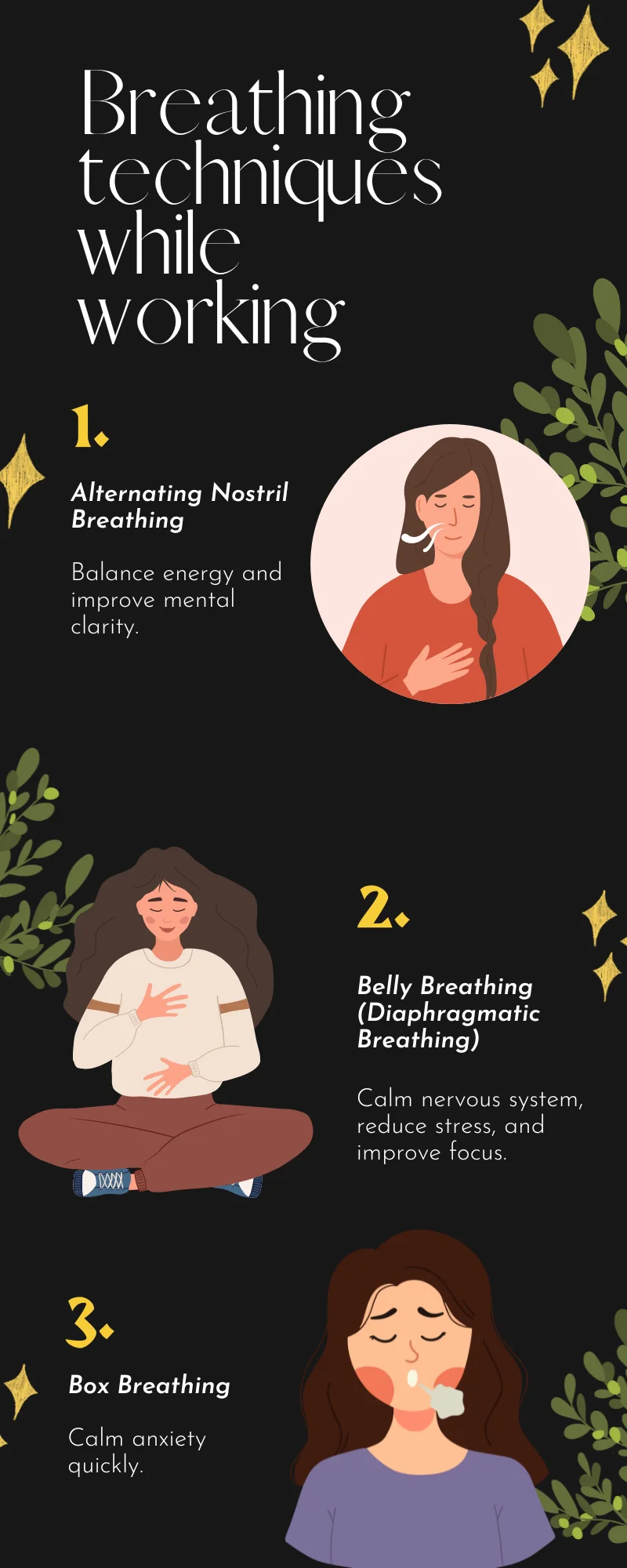
Benefits of Mindful Breathing During Work Hours
The fast pace of many workplaces can lead to increased stress, reduced concentration, and mental fatigue. Engaging in mindful breathing provides a practical solution by fostering relaxation and sharpening mental focus. It supports emotional regulation, making it easier to handle challenging interactions or tight deadlines. Additionally, mindful breathing encourages a sense of presence, helping workers stay grounded and improve overall productivity without needing extensive time away from their tasks.
Setting Up Your Work Break for Mindful Breathing
Choosing the Right Environment
One common obstacle to effective mindful breathing at work is the environment. A noisy or cluttered space can make it difficult to focus on breathing exercises. Creating a quiet, comfortable area—even if it’s just a small corner or a vacant meeting room—can significantly enhance the practice. Minimizing interruptions by silencing devices and informing colleagues of your brief break can also contribute to a more conducive setting.
Ideal Duration and Frequency of Breathing Exercises
Many believe that mindful breathing requires long sessions, but even short bursts of a few minutes can be impactful. Scheduling mindful breathing exercises for about 3 to 5 minutes a couple of times during breaks can provide noticeable benefits. Regularity is key; frequent short sessions help maintain steady mental clarity and reduce stress buildup. Overdoing it or holding unrealistic expectations about session length could lead to skipping the practice altogether.
Step-by-Step Guide: Mindful Breathing Techniques You Can Try
Basic Deep Breathing Method
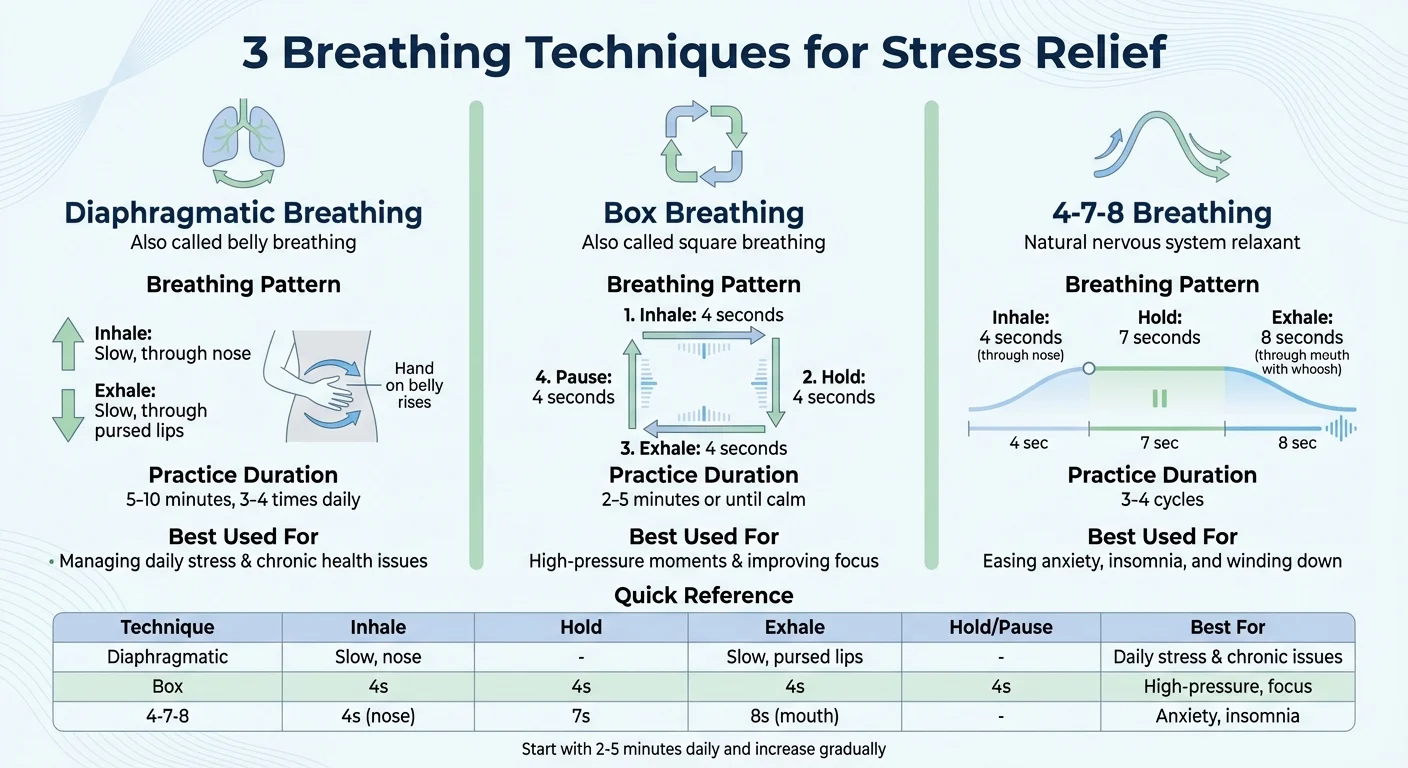
This method involves inhaling slowly and deeply through the nose, allowing the lungs to expand fully, followed by a gradual exhale through the mouth. The main pitfall is shallow or rapid breathing, which can leave tension unrelieved. Focusing on the gradual rise and fall of the abdomen during the breath cycle helps ensure deeper breaths and a calming effect.
Box Breathing for Stress Relief
Box breathing breaks down the breathing process into four equal parts: inhale, hold, exhale, and hold. This rhythmic pattern can reset the nervous system and reduce acute stress. The challenge often lies in maintaining consistent timing and resisting the urge to rush. Practicing with a timer can assist in keeping the pace even, fostering a meditative state that is particularly useful during high-pressure moments.
The 4-7-8 Breathing Technique
This technique requires inhaling for 4 seconds, holding the breath for 7 seconds, and exhaling for 8 seconds. Its extended exhale phase helps activate the parasympathetic nervous system, promoting relaxation. Beginners may find holding the breath challenging initially; starting slowly and gradually increasing the duration can make the practice more accessible and effective.
Integrating Mindful Breathing Into Your Daily Work Routine
Using Breaks to Reset Mental Focus
Mindful breathing can transform ordinary breaks into powerful mental resets. When workers return from these brief pauses, they often experience improved concentration and reduced mental fatigue. This approach is especially valuable during prolonged tasks, where attention tends to wane. Allocating even a few minutes per break for deliberate breathing can establish a beneficial rhythm that supports sustained productivity.
Combining Breathing with Simple Stretching
Integrating mindful breathing with gentle stretching amplifies the benefits by releasing physical tension alongside mental stress. For example, incorporating slow neck rolls or shoulder shrugs with deep inhalations and exhalations can enhance circulation and heighten bodily awareness. However, rushing through the movements or breathing can diminish their calming effects, so it’s important to proceed with intention and patience.
Overcoming Common Obstacles
Managing Distractions in a Busy Office
Frequent interruptions and ambient noise are significant barriers to effective mindful breathing at work. One contributing factor is the open office layout, which can make privacy elusive. To counter this, using noise-canceling headphones or finding a quieter spot can help. Establishing clear boundaries by communicating your break times to coworkers also minimizes disruptions, allowing you to focus more fully on your breathing practice.
Dealing with Self-Consciousness Around Colleagues
Some people hesitate to practice mindful breathing openly due to concern about appearing distracted or unproductive. This hesitation can prevent them from benefiting from this simple tool. Addressing this concern involves normalizing the practice within the workplace culture and recognizing that brief mindful breaks can actually enhance performance. Starting discreetly or gradually sharing the practice with trusted colleagues may alleviate feelings of self-consciousness.
Tools and Apps to Enhance Your Practice
Recommended Mindful Breathing Apps
Technology can play a supportive role by guiding users through breathing exercises with visual and auditory cues. Apps designed for mindful breathing offer customizable sessions, progress tracking, and reminders that encourage consistency. Selecting an app that suits personal preferences and workflow needs helps sustain the habit without distraction.
Helpful Reminders and Timers
Even without apps, simple timers or alarms can serve as useful prompts to take mindful breathing breaks. Setting scheduled reminders ensures these moments do not slip away unnoticed throughout a busy day. Overreliance on notifications, however, can become a disruption itself, so balancing the use of reminders with organic awareness is advisable.
Measuring the Impact of Mindful Breathing on Work Performance
Tracking Stress Levels and Productivity
Evaluating how mindful breathing influences work performance can be challenging but rewarding. Noticing changes in stress perception, energy levels, or the ability to concentrate offers valuable feedback. Regular self-check-ins and journaling may highlight trends, encouraging refinement of the practice to fit individual work demands.
Personal Stories and Case Studies
Many workers report enhanced calmness and clearer thinking after incorporating mindful breathing into their routines. Anecdotal evidence suggests that even minimal training can yield benefits, especially when embraced with consistency. Hearing such experiences can motivate others to try mindful breathing themselves and appreciate its practical advantages during work breaks.
Quick Takeaways
Mindful breathing is a practical tool to combat workplace stress and mental fatigue. Choosing a quiet environment and dedicating short, regular intervals to breathing exercises make the practice accessible. Overcoming distractions and self-consciousness can expand its reach, while combining breathing with light stretches enhances relaxation. Utilizing apps or timers supports habit formation, and tracking personal responses helps tailor the approach for maximum benefit. These simple yet effective techniques contribute to better focus and well-being throughout the workday.
Conclusion
Incorporating mindful breathing during work breaks addresses common challenges like stress and distraction by promoting calm and mental clarity. Recognizing the impact of the environment, session length, and workplace culture enables workers to create a sustainable breathing practice. Practical guidance on specific techniques and strategies to overcome obstacles empowers individuals to integrate mindful breathing seamlessly into daily routines. Ultimately, this approach fosters a healthier, more focused work experience that supports both productivity and personal well-being.