Understanding Emotional Boundaries
What Are Emotional Boundaries?
Emotional boundaries are the invisible lines we draw to protect our feelings, thoughts, and personal space. They help us define where we end and others begin emotionally. Without these boundaries, relationships can become overwhelming or toxic, as we may absorb others’ emotions or feel responsible for their feelings.
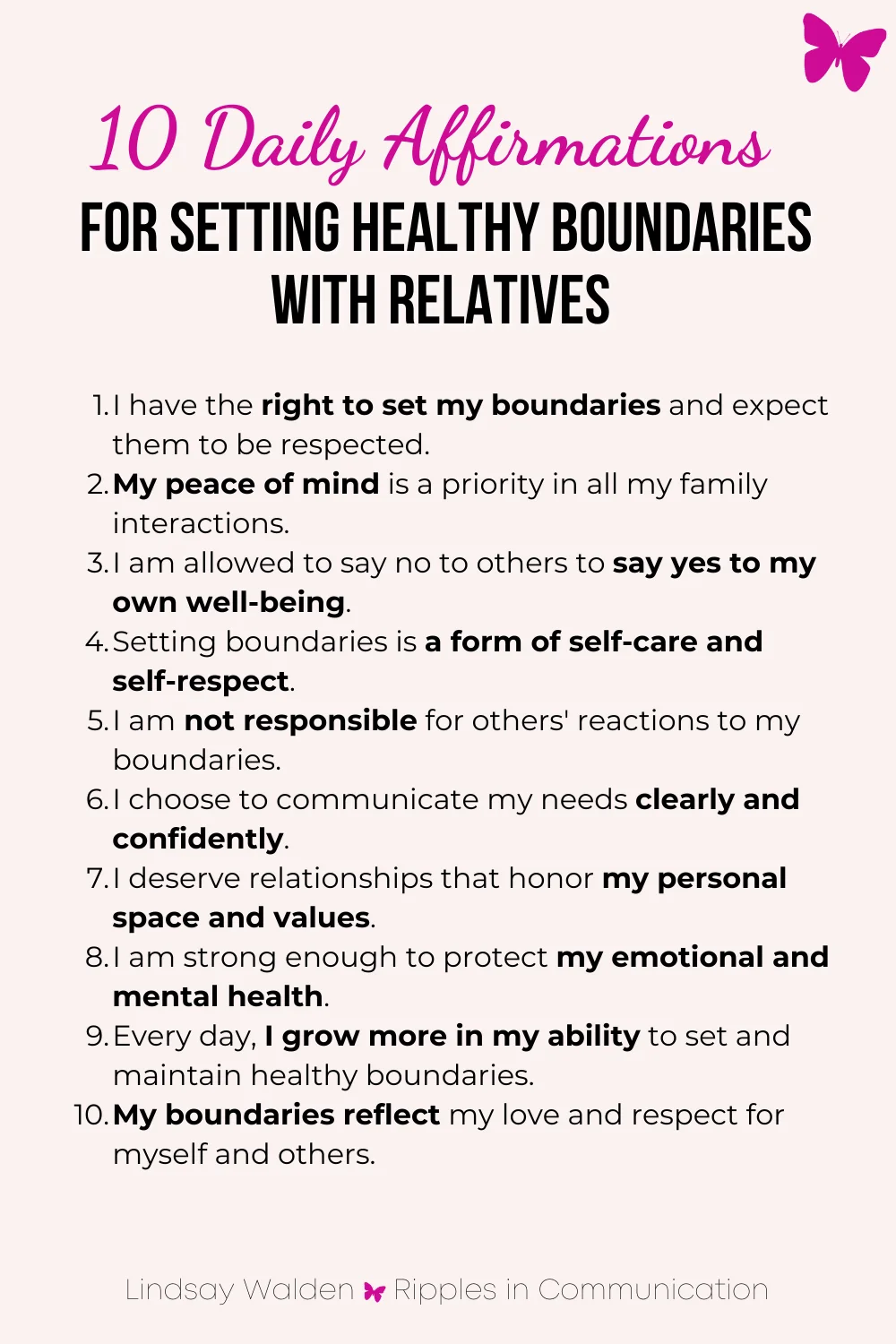
Within family dynamics, these boundaries are particularly important because family members often share deep connections and long histories. This closeness can blur lines, making it harder to maintain a healthy emotional distance.
Why Setting Boundaries with Family Is Crucial
Setting emotional boundaries with family helps create a balanced relationship where everyone feels respected. It prevents burnout, resentment, and misunderstandings that arise when personal needs are overlooked. Boundaries foster greater self-awareness and improve communication, ultimately strengthening family ties rather than weakening them.
When emotional limits are unclear or ignored, family interactions can lead to conflict, stress, and emotional exhaustion. By establishing these boundaries early or at any stage, individuals protect their well-being while still nurturing meaningful connections.
Identifying Your Personal Limits
Recognizing Emotional Triggers
The first step to setting boundaries is understanding what affects you emotionally. Emotional triggers might be certain topics, behaviors, or patterns that leave you feeling drained, anxious, or upset. Reflecting on your reactions during family interactions can reveal these triggers.
Knowing these sensitive points guides you in setting boundaries that prevent emotional overload without shutting down communication. Awareness helps you take control of your feelings rather than letting them control the conversation or relationship.
Assessing Your Needs and Comfort Zones
Everyone’s comfort zones differ greatly, especially within families where roles and expectations vary. Consider what you need to feel safe and respected—whether it’s time alone, limits on certain discussions, or privacy around personal matters.
Clarifying these needs for yourself is essential before discussing them with others. It helps ensure your boundaries are specific and realistic, making them easier to respect and maintain.
Effective Communication Techniques
Using “I” Statements to Express Yourself
Expressing boundaries clearly starts with the right language. “I” statements focus on your feelings and experiences without blaming others. For example, saying “I feel overwhelmed when conversations turn to certain topics” communicates your needs without accusations.
This approach reduces defensiveness and encourages empathy, making it more likely family members will understand and accept your boundaries.
Active Listening to Foster Mutual Respect
Setting boundaries is a two-way street. Practicing active listening shows that you respect others’ feelings and viewpoints even while asserting your own. It involves paying full attention, acknowledging what’s said, and responding thoughtfully.
When family members feel heard, they are often more open to respecting your limits. This creates a healthy cycle of communication where everyone’s needs are acknowledged.
Strategies to Set Boundaries Calmly
Choosing the Right Time and Place
Timing and setting can make a significant difference in how boundary-setting conversations unfold. Avoid moments of high tension or distraction. Instead, seek calm, private times to talk when everyone is more relaxed.
A quiet environment promotes focus and reduces misunderstandings. It signals respect for the discussion and helps keep emotions steady.
Being Clear but Compassionate
Clarity prevents confusion, so be straightforward about what you need. However, expressing boundaries compassionately ensures your message isn’t perceived as rejection or criticism. Using a gentle tone and acknowledging shared family bonds softens the conversation.
For instance, you might say, “I love spending time together, but I need some quiet moments to recharge.” This balances honesty with empathy, making boundaries easier to accept.
Dealing with Resistance and Pushback
Staying Firm Without Escalating Conflict
Not everyone will respond positively to boundaries immediately. Some family members might resist or test limits. It’s important to remain calm and consistent in your stance without retaliating or raising tension.
Firmness shows that you value your emotional health, while a calm approach helps prevent unnecessary conflicts. Repeating your boundary clearly and patiently can help others adjust over time.
When to Seek External Support
If boundary-setting consistently leads to conflict or emotional harm, it may be helpful to seek support from trusted friends, counselors, or support groups. Having an outside perspective can offer guidance and emotional reinforcement.
External support can empower you to maintain boundaries confidently, especially in complicated or deeply ingrained family dynamics.
Maintaining Boundaries Over Time
Regular Self-Reflection and Adjustment
Emotional boundaries aren’t static—they evolve as relationships and personal circumstances change. Periodically reflecting on how your boundaries are working allows you to adjust them when necessary. This ongoing process helps keep your emotional well-being protected.

Self-reflection also deepens your understanding of yourself, making it easier to communicate needs clearly and assertively.
Encouraging Family Members to Respect Your Limits
Encouraging respect for your boundaries involves modeling the behavior you wish to see. When you honor others’ limits, you create an atmosphere of mutual respect. Being patient and consistent shows that boundaries are important for everyone’s well-being.
Over time, this can shift family dynamics toward healthier, more supportive interactions where emotional boundaries become a natural part of how you relate.