Why Low-Impact Workouts Are Ideal for Women Over 40
Understanding the Benefits for Joint Health
As we age, our joints naturally become more susceptible to wear and tear. Women over 40 often face challenges such as decreased cartilage elasticity and reduced synovial fluid, which can contribute to discomfort during high-impact activities. Low-impact workouts provide a gentle approach that minimizes stress on these joints, helping to avoid injuries while still encouraging movement.
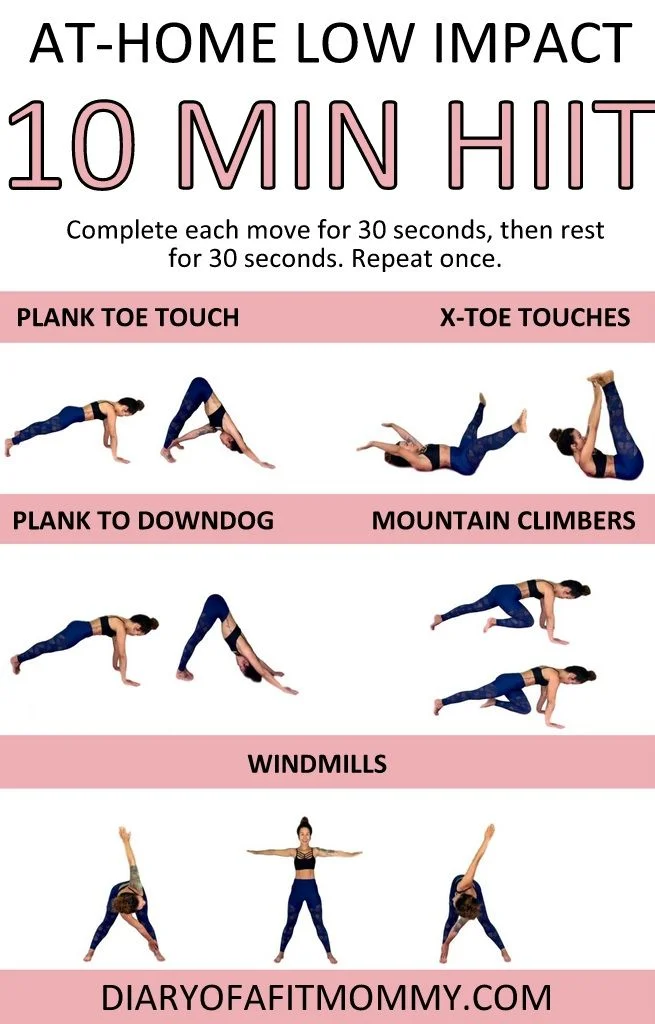
This type of exercise can enhance joint flexibility and improve muscle support around vulnerable areas like the knees and hips. By choosing movements that don’t involve heavy pounding or sudden jolts, women can maintain an active lifestyle without risking joint pain or aggravation.
How Low-Impact Exercises Promote Weight Loss
Weight loss after 40 can feel tougher due to shifting metabolism and hormonal changes. However, low-impact workouts offer a practical way to burn calories efficiently. These exercises increase heart rate steadily, fostering fat burn while building lean muscle mass, which is essential for boosting metabolism.
Unlike high-impact routines that might cause burnout or injury, low-impact exercises encourage consistency—the key to sustainable weight loss. They also improve cardiovascular health and muscle tone, supporting overall body composition changes that go hand in hand with shedding unwanted pounds.
Preparing for Your 10-Minute Home Workout
Essential Equipment and Space Setup
One of the perks of low-impact workouts is their minimal need for elaborate gear. For a 10-minute session at home, all you really need is a comfortable space with enough room to move freely. A yoga mat adds cushioning and prevents slipping, making exercises more comfortable and safe.
Some small equipment like resistance bands or light dumbbells can enhance your routine but are by no means mandatory. Simple household items like a sturdy chair for support during seated moves or wall space for stability during push-ups can also be highly effective.
Warm-Up Techniques to Prevent Injury
Before diving into your workout, warming up is crucial to prepare your body and reduce injury risk. Spend a few minutes doing gentle movements such as arm circles, shoulder rolls, and marching in place. These actions increase blood flow, loosen stiff muscles, and mentally ready you for exercise.
For women over 40, warming up gently but thoroughly helps ease into movement without straining joints or muscles. Avoid rushing straight into intense motions—this gradual approach sets a positive tone for the entire routine.
Top 5 Low-Impact Exercises for Weight Loss
Exercise 1: Modified Squats
Modified squats focus on engaging the leg muscles without deep bending that can hurt knees. Stand with feet hip-width apart, then slowly lower your hips as if sitting in a chair, keeping your weight on your heels. Rise back up gently, maintaining a controlled pace. This exercise strengthens thighs and glutes while boosting heart rate.
Exercise 2: Seated Marching
Seated marching is perfect for those who prefer to avoid excessive standing. Sit on a sturdy chair, engage your core, and lift one knee at a time in a marching motion. This movement elevates your heart rate and activates your lower body muscles without stressing joints, making it ideal for beginners or those with limited mobility.
Exercise 3: Step Touches
Step touches add a rhythmic side movement to your workout. Step one foot to the side, then bring the other foot to meet it. Repeat from side to side, swinging your arms to keep momentum and raise your heart rate. This exercise creatively integrates cardiovascular benefits with gentle leg work.
Exercise 4: Wall Push-Ups
A great alternative to traditional push-ups, wall push-ups reduce load on the wrists and shoulders. Stand facing a wall, place your hands at shoulder height, and slowly bend your elbows to lean toward the wall, then push back. This strengthens the upper body without overexertion.
Exercise 5: Side Leg Lifts
Side leg lifts target hip abductors and help sculpt the outer thighs. Stand straight, holding onto a chair or wall for support if needed. Lift one leg out to the side slowly, maintaining control, then lower it back down. Repeat on the other side. This move improves balance and tones muscles crucial for daily activities.
Creating a Balanced 10-Minute Routine
Combining Movements for Maximum Calorie Burn
Incorporating a mix of these exercises creates a well-rounded, effective routine. Alternating between lower and upper body moves keeps your heart rate elevated and muscles engaged. For example, start with a minute or two of modified squats to activate the legs, followed by seated marching to maintain momentum, then switch to wall push-ups for upper body strength.
By cycling through different movements, you prevent monotony while increasing overall calorie burn. The variation also ensures you work multiple muscle groups, enhancing metabolism and fostering sustainable weight loss.
Incorporating Rest and Recovery Periods
Even in a brief 10-minute workout, allowing time for short rests is important. Brief pauses of 15–20 seconds between exercises help muscles recover slightly and maintain proper form. Skipping rest can lead to fatigue that compromises technique and increases injury risk.
Listen to your body. If you feel dizzy or overly tired, adjust rest times and intensity. The goal is quality over quantity—consistent, safe movement trumps pushing too hard too fast.
Tracking Progress and Staying Motivated
Using Journals and Apps to Monitor Changes
Tracking your workouts and progress can be a powerful motivator. Keeping a simple journal where you note which exercises you did, how many repetitions, and how you felt afterward creates accountability. It also lets you observe improvements over weeks, providing encouragement to keep going.
Many smartphone apps offer reminders and visual progress charts, which can make tracking even easier. Choose tools that fit your lifestyle and feel enjoyable rather than burdensome.
Setting Realistic Goals for Sustainable Weight Loss
Setting achievable goals is essential, especially after 40 when bodies may respond differently than in younger years. Instead of expecting dramatic weight loss overnight, aim for steady, gradual improvements. This might include losing a pound a week or increasing workout duration by a few seconds every few days.
Celebrating small victories keeps motivation high and builds habits that last. Remember, consistency over time matters far more than occasional intense effort.
Expert Tips to Enhance Your Workout Experience
Nutritional Advice to Complement Exercise
Exercise and nutrition go hand in hand when aiming for weight loss after 40. Experts recommend focusing on a diet rich in whole foods, lean proteins, healthy fats, and plenty of vegetables. Staying hydrated before and after workouts supports recovery and energy levels.
Consider scheduling meals to provide fuel before workouts and aid muscle repair afterward. Avoiding processed sugars and excessive carbs can help control blood sugar and enhance fat burning during exercise.
Mindfulness and Breathing Techniques During Workouts
Mindfulness techniques improve the quality of your workouts by helping you stay present and focused on your body’s signals. Deep, controlled breathing during exercises not only supplies muscles with oxygen but also reduces stress and enhances endurance.
Try inhaling deeply through your nose and exhaling slowly through your mouth while moving. This simple practice increases relaxation, supports proper form, and makes the entire workout experience more enjoyable and effective.