Introduction to Emotional Connections and Routine Tasks
Defining Emotional Connections in Relationships
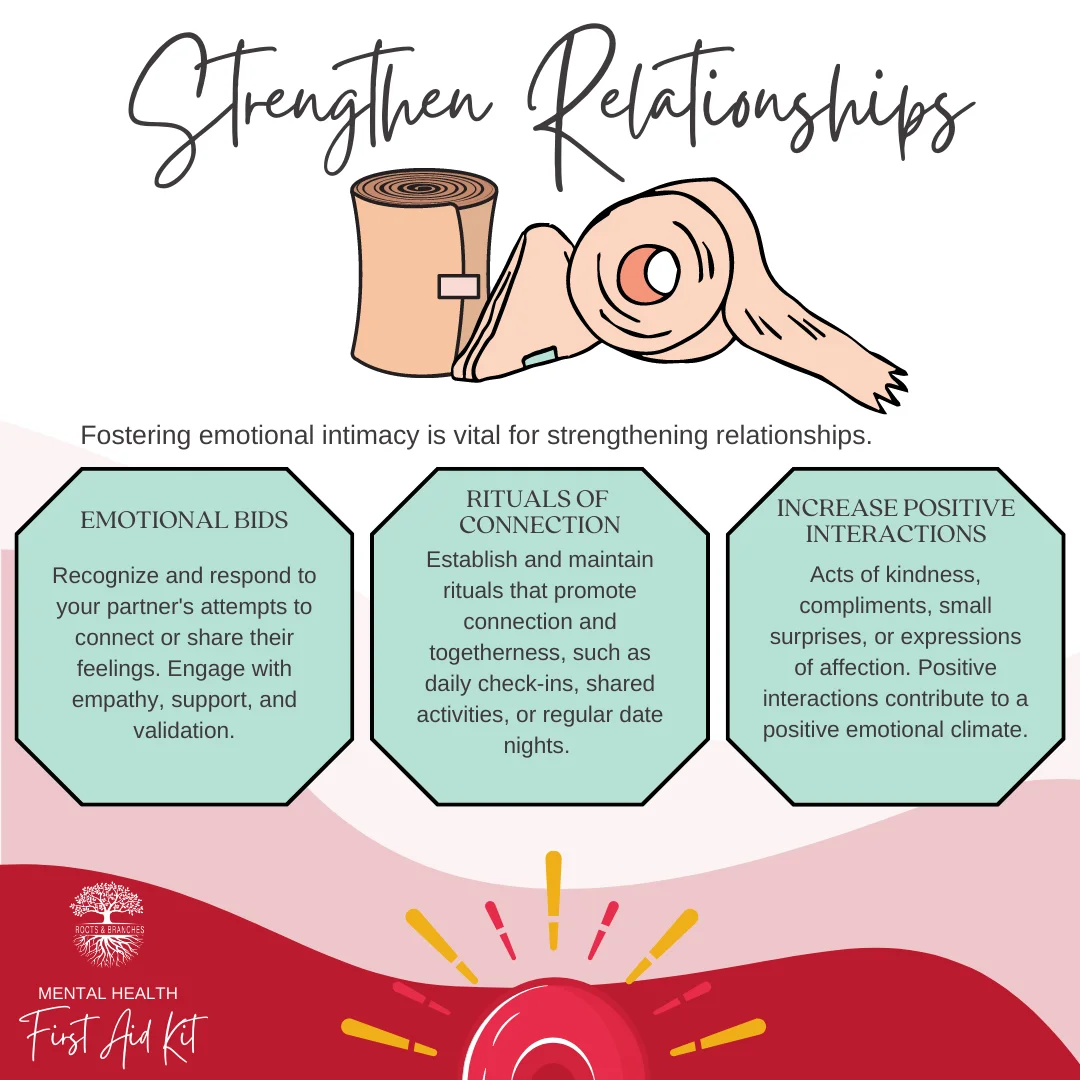
Emotional connections form the backbone of meaningful relationships, whether between partners, family members, or close friends. These connections involve a deep sense of understanding, trust, and empathy that allow individuals to feel valued and supported. Establishing such bonds goes beyond grand gestures, often flourishing through everyday interactions that signal care and attentiveness.
The Role of Daily Routines in Building Bonds
Daily routines might seem mundane at first glance, but they create an ongoing platform for connection. Sharing small, routine tasks can serve as frequent touchpoints that nurture emotional closeness. These repetitive actions become shared rituals, strengthening intimacy over time and providing tangible expressions of partnership and cooperation.
The Psychology Behind Sharing Small Tasks
How Small Acts Enhance Trust and Understanding
Psychologically, small shared activities foster trust because they involve cooperation and mutual reliance. When partners consistently engage in everyday tasks together, it demonstrates reliability and willingness to invest effort in each other’s wellbeing. This consistent collaboration helps to build deeper understanding as individuals learn each other’s preferences, rhythms, and needs through these interactions.
Neuroscience Insights: Oxytocin and Bonding
From a neuroscience perspective, oxytocin, often dubbed the “bonding hormone,” plays a significant role in reinforcing emotional ties. Engaging in small cooperative tasks stimulates oxytocin release, which enhances feelings of affection and security. This hormonal response helps to cement the positive emotions that arise from shared experiences, making routine task-sharing a natural enhancer of emotional closeness.
Examples of Small Routine Tasks to Share
Morning Rituals: Preparing Coffee or Breakfast Together
Mornings offer a prime opportunity to connect through simple actions like making coffee or preparing breakfast together. This time can set a positive tone for the day, allowing partners to engage in quiet conversation or shared comfort. These rituals foster a gentle pattern of togetherness that many couples find grounding and emotionally nurturing.
Evening Activities: Cleaning and Relaxation Habits
In the evenings, routine tasks such as tidying up after dinner or choosing to relax together can deepen emotional bonds. Collaborating on household chores reduces the workload and communicates respect for each other’s time and effort. Additionally, shared relaxation, whether through watching a show or engaging in light conversation, solidifies emotional presence and attentiveness.
Work-Related or Errand Tasks as Shared Experiences
Beyond the home, sharing work-related or errand tasks can also play a meaningful role. Running errands as a team or assisting with work projects involves coordination and mutual support, which can translate into stronger emotional connections. These shared experiences expand the realm of everyday cooperation and create a sense of partnership beyond traditional boundaries.
Benefits of Collaborative Routine Tasks
Strengthening Communication Through Shared Responsibility
When couples or families engage in routine tasks together, they naturally open channels for communication. Discussing how tasks are divided or expressing preferences enhances clarity and prevents misunderstandings. This ongoing dialogue equips individuals to address issues proactively, fortifying the relationship’s communicative foundation.
Reducing Relationship Stress by Dividing Chores
Sharing routine responsibilities alleviates the burden on any one person, which can significantly reduce stress within relationships. When tasks are divided fairly, it prevents resentment and burnout, creating a more harmonious living environment. This equitable approach demonstrates care and consideration, contributing to emotional stability.
Encouraging Teamwork and Mutual Support
Collaborative task completion fosters a team mindset, encouraging partners or family members to support one another actively. This sense of unity translates into emotional strength, as individuals feel they are part of a cooperative effort rather than isolated in their responsibilities. The teamwork involved also builds resilience for facing challenges together.
Practical Tips to Start Sharing Small Tasks
Identifying Suitable Tasks for Both Partners
Begin by discussing which routine tasks feel manageable and enjoyable for both individuals. It’s essential to choose activities that align with each person’s preferences and strengths to foster positive experiences. This step helps establish a fair and balanced approach, where both parties feel capable and willing to contribute.
Scheduling and Consistency in Shared Routines
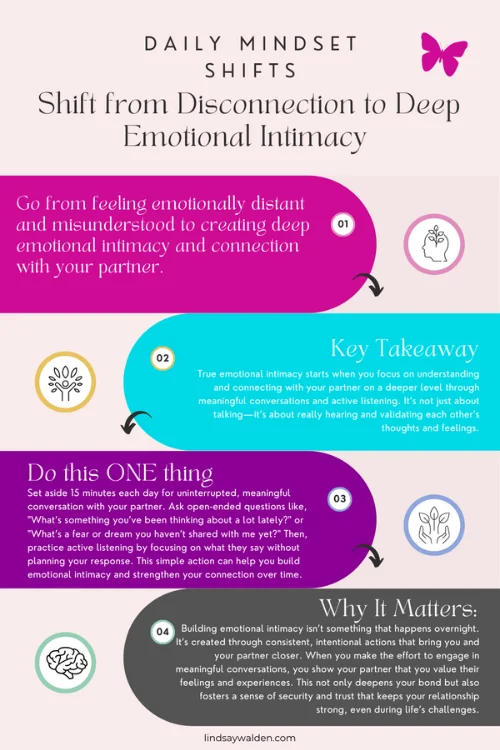
Creating a consistent schedule for sharing tasks can transform occasional efforts into habitual practices. Consistency reduces the mental load of coordinating and builds anticipation for these shared moments. Whether it’s a morning coffee ritual or a weekly cleaning session, maintaining regularity helps solidify the emotional benefits.
Celebrating the Small Wins and Progress
Recognizing and celebrating small achievements within shared routines reinforces motivation and positivity. Expressing gratitude or acknowledging improvements encourages continued participation. These small celebrations make routine tasks feel more meaningful and cultivate a nurturing atmosphere within the relationship.
Case Studies: Real-Life Success Stories
Couples Who Deepened Their Bonds Through Daily Chores
Many couples report that dividing household tasks like cooking and cleaning has brought them closer emotionally. For example, one couple found that their nightly dishwashing routine became a moment to talk about their day, turning a mundane chore into a cherished connection time. Their shared effort reduced tension and increased mutual appreciation.
Families Strengthening Emotional Ties with Shared Responsibilities
Families that engage in joint responsibilities, such as tidying living spaces or planning meals, often experience stronger emotional ties. One family described how coordinating grocery shopping and meal prep helped every member feel involved and valued. These cooperative tasks encouraged open communication and mutual respect across generations.
Conclusion: Turning Small Actions into Lasting Connections
Sharing small routine tasks might seem insignificant, but their cumulative effect on emotional connections can be profound. Such shared efforts build trust, improve communication, and create a sense of partnership that strengthens relationships. By intentionally incorporating these practices, individuals can transform everyday moments into lasting emotional bonds that support long-term relationship health and happiness.