Introduction to Weekly Self Care for Busy Professionals
In the fast-paced world of busy professionals, self care often takes a backseat to deadlines and demands. Yet, dedicating time each week to nurture your well-being is not just a luxury—it’s a necessity. Taking intentional steps toward self care helps manage stress and creates the foundation for sustained productivity. This article explores how a weekly self care checklist can be a game changer for those juggling intense work schedules.
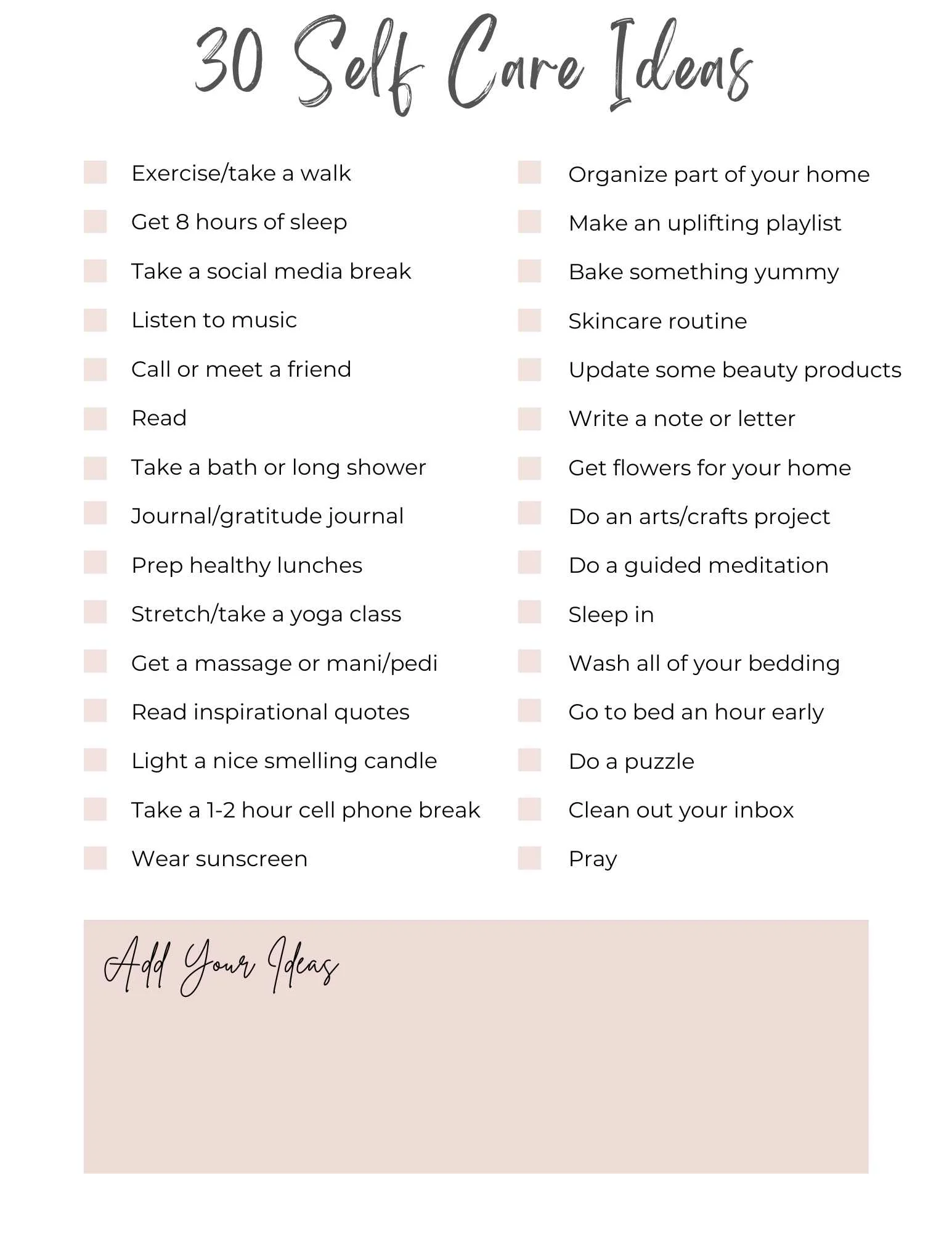
Why Self Care is Essential for Stress Management
Stress, when left unchecked, can quickly overwhelm even the most resilient individuals. Self care acts as a vital buffer, helping to reduce the physical and mental toll stress accumulates. By carving out moments to recharge, whether through rest, mindfulness, or enjoyable activities, professionals create a space where stress can ease, making the challenges of a hectic week feel more manageable.
The Link Between Self Care and Productivity
It might seem counterintuitive, but taking breaks and focusing on self care actually boosts productivity. When you feel refreshed and balanced, concentration sharpens and creativity flourishes. Without self care, burnout can set in, leading to a decline in both efficiency and quality of work. In essence, making time for yourself fuels your professional performance.
Designing Your Personalized Weekly Self Care Checklist
Identifying Your Stress Triggers
Before creating a self care plan, it’s important to understand what triggers your stress. Is it back-to-back meetings, unclear priorities, or even commuting? Recognizing these stressors allows you to address them directly and tailor your self care activities to target the areas where you need relief the most. Personalization makes the checklist more effective and sustainable.
Setting Realistic and Achievable Goals
Self care isn’t about perfection or adding another overwhelming task to your list. Instead, it’s about setting goals that fit your lifestyle and energy levels. Whether it’s dedicating five minutes to deep breathing exercises or scheduling a weekly walk, small, consistent actions often have the biggest impact. Ensuring your goals are realistic keeps motivation high and frustration low.
Daily Habits to Incorporate
Morning Rituals to Start Your Day Right
Your morning sets the tone for the entire day. Simple habits like stretching, drinking a glass of water, or practicing gratitude can make a huge difference. These moments ground you before the workday begins, fostering a sense of calm and readiness. Tailor your morning routine to what feels nurturing rather than rushed.
Midday Breaks and Mindfulness Exercises
Taking breaks during your workday is crucial but often overlooked. Pausing for even a few minutes to focus on your breath or step outside can refresh your mind. Mindfulness exercises help bring awareness to the present moment, reducing anxiety and improving focus. Incorporating these pauses right into your schedule prevents burnout and keeps energy sustained.
Evening Wind-Down Techniques
How you end your day matters just as much as how you start it. Establishing evening rituals—like turning off screens, reading, or gentle meditation—signals to your brain that it’s time to relax. This transition supports better sleep quality and prepares you for a refreshed start the next day.
Weekly Activities for Long-Term Benefits
Physical Exercise and Movement Recommendations
Regular movement is a cornerstone of self care, promoting both physical health and mental clarity. It doesn’t mean you need to hit the gym daily; a brisk walk, yoga session, or even dancing to your favorite tunes can uplift your mood and relieve tension. Aim to include a variety of movements throughout the week to keep things enjoyable.
Social Connections and Support Systems
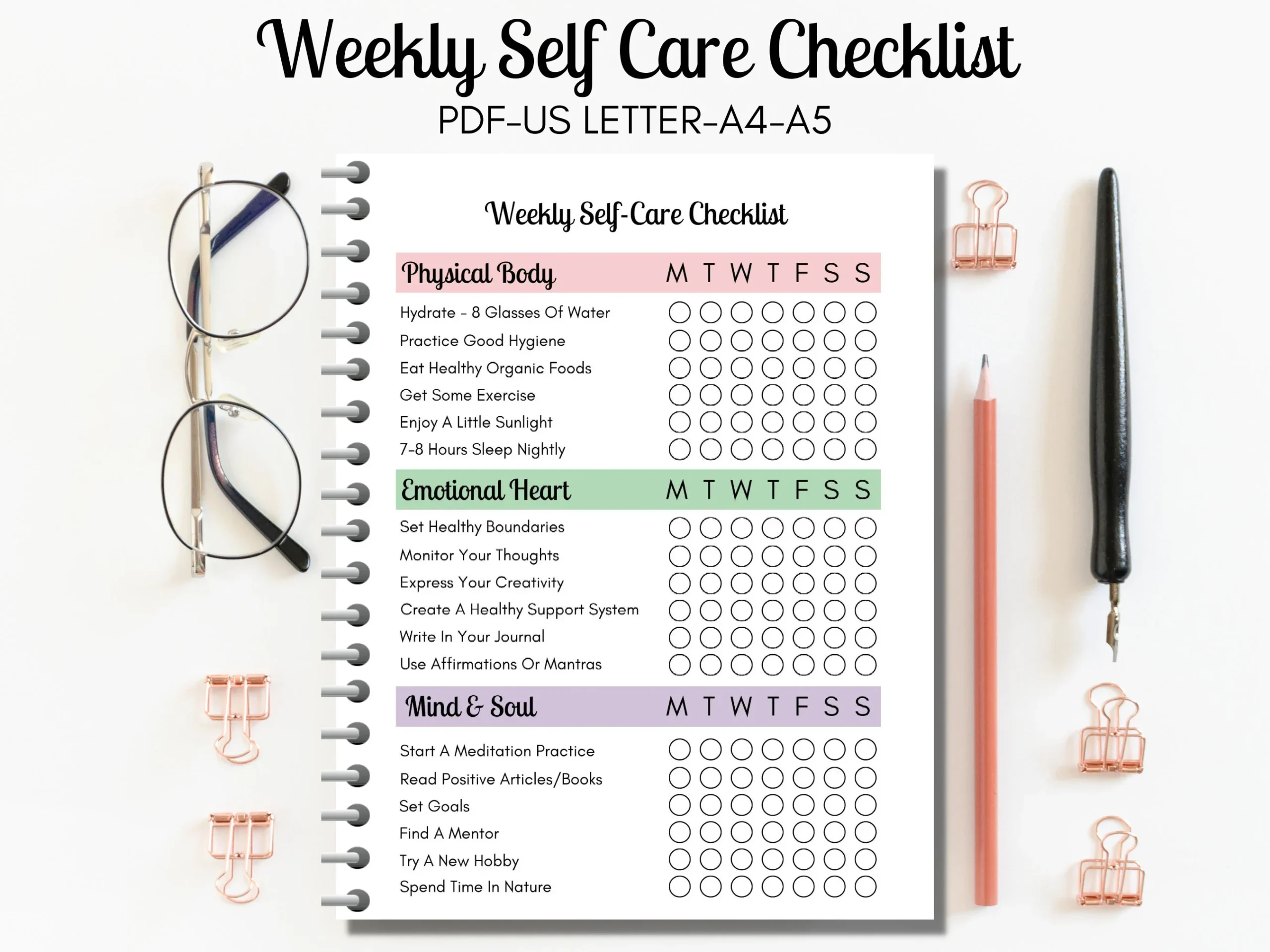
Humans are inherently social creatures, and maintaining connections plays a key role in emotional well-being. Scheduling time to catch up with friends, family, or colleagues helps create a support system that can buffer against stress. Even brief interactions can remind you that you’re not alone in your challenges.
Creative Outlets and Mental Relaxation
Engaging in creative activities—whether that’s painting, cooking, or writing—stimulates the brain in different ways and provides a welcome distraction from work-related stress. These outlets encourage relaxation and joy, fueling your mental health. Giving yourself permission to play and create can be incredibly restorative.
Tools and Apps to Track Your Self Care Progress
Top Apps for Stress Reduction
Technology can support your self care journey by providing guided mindfulness sessions, reminders, or mood tracking. Apps designed for stress reduction offer accessible techniques that fit into a busy schedule, helping you stay consistent. Finding the right app that resonates personally makes incorporating self care easier.
Using Journals and Planners Effectively
Keeping a journal or planner to track your self care activities can increase awareness and accountability. Reflecting on what made you feel better and noting patterns allows you to adjust your routine for optimal benefit. The act of writing itself can be calming and help process emotions.
Troubleshooting Common Barriers
Overcoming Time Constraints
One of the biggest hurdles is finding time amid packed schedules. The key is to reframe self care as essential rather than optional. Start by carving out micro-moments—those tiny windows of time that often go unnoticed. Even short activities can accumulate into meaningful benefits without disrupting your day.
Dealing with Motivation Slumps
It’s normal to experience dips in motivation. Instead of pushing hard when energy is low, consider adjusting your routine to something gentler. Celebrate small wins and remind yourself of the positive effects self care has on your overall well-being. Sometimes, simply acknowledging the slump can help you move through it with compassion.
Conclusion: Committing to Your Weekly Self Care Routine
Building a weekly self care checklist tailored to your needs is a powerful step toward managing stress and enhancing productivity. It’s a commitment to honoring yourself amid the demands of a busy professional life. By integrating small, thoughtful habits and activities, you create a sustainable rhythm that nurtures both your mind and body. Remember, self care is a journey—one worthy of your time and attention.