Understanding the Benefits of Scalp Massage for Hair Growth
The Science Behind Scalp Stimulation
Scalp massage has been practiced for centuries as a natural method to promote hair growth. By stimulating the scalp, massage increases blood circulation to hair follicles, which can enhance their function and encourage new hair production. The gentle pressure also helps to reduce muscle tension around the scalp, creating an optimal environment for healthy hair growth.
Key Nutrients and Blood Flow Enhancement
Improved blood flow delivers essential nutrients like vitamins, minerals, and oxygen to hair follicles. These nutrients are crucial for follicle regeneration and strengthening hair strands. Regular scalp massage can help ensure a consistent supply of these elements, reducing hair thinning and supporting thicker, healthier hair over time.
Preparing for Your Scalp Massage Routine
Choosing the Right Environment and Tools
Creating a calming space is important for an effective scalp massage. A quiet, comfortable area will help you relax and fully engage in the process. While your hands are the primary tool, you may also consider using specially designed scalp massagers or brushes to enhance stimulation. Ensure your tools are clean to avoid scalp irritation.
Essential Oils and Products to Incorporate
Incorporating natural oils, such as rosemary, peppermint, or lavender, can boost the benefits of scalp massage. These oils have properties that stimulate hair growth and soothe the scalp. Always dilute essential oils with a carrier oil like jojoba or coconut oil to prevent sensitivity. Choose products free from harsh chemicals to maintain scalp health.
Step-by-Step Guide to an Effective Scalp Massage
Warm-Up Techniques to Relax the Scalp
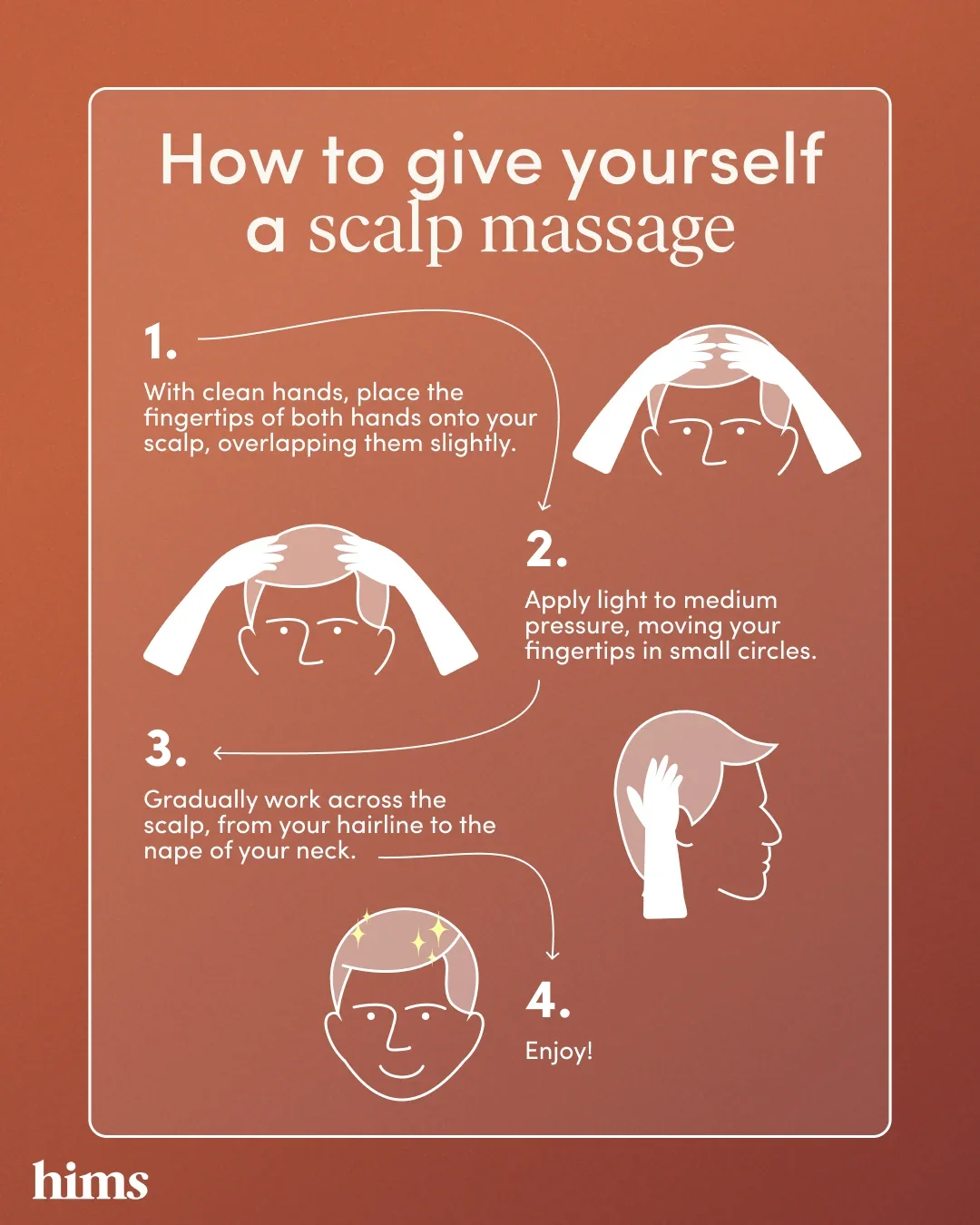
Start by gently running your fingertips through your hair to loosen any tension. Use slow, circular motions with light pressure to warm up the scalp. This initial step helps improve blood flow gradually and prepares your scalp for deeper stimulation without discomfort.
Pressure Points to Focus On
Target key areas such as the temples, base of the skull, and crown. These points are linked to major blood vessels and nerve endings. Applying moderate pressure with your fingertips on these spots can maximize circulation and activate hair follicles effectively.
Recommended Duration and Frequency
A consistent routine is key. Aim for 5 to 10 minutes per session, at least three times a week. Daily sessions are beneficial if time permits. Avoid overdoing it to prevent scalp irritation; gentle and regular massage yields the best results over time.
Enhancing Results with Complementary Hair Care Practices
Nutrition Tips Supporting Hair Growth
Healthy hair starts from within. Incorporate a balanced diet rich in proteins, vitamins A, C, D, E, and minerals like zinc and iron. Foods such as leafy greens, nuts, eggs, and fish promote follicle health and complement your scalp massage efforts for improved hair growth.
Proper Hair Washing and Conditioning
Using mild shampoos and conditioners tailored to your hair type supports scalp health. Over-washing can strip natural oils and irritate the scalp, so wash hair 2-3 times weekly. Conditioning helps maintain moisture balance, reduces breakage, and enhances the overall effectiveness of your scalp care routine.
Tracking Progress and Adjusting Your Routine
Signs of Improved Hair Health
Look for signs like reduced hair shedding, increased hair density, and a healthier scalp appearance. Your hair may feel softer and appear shinier as circulation and nutrient delivery improve. Note these changes over weeks to gauge the effectiveness of your routine.
When to Consult a Specialist
If you notice persistent hair loss, scalp irritation, or no improvement despite consistent massage and care, seek advice from a dermatologist or trichologist. Professional evaluation ensures underlying issues like hormonal imbalances or skin conditions are addressed appropriately.