Introduction to Hair Oils for Dry Hair
Dry hair can often feel brittle, rough, and lifeless, making it crucial to find effective ways to restore its natural moisture and shine. Hair oils have long been celebrated for their ability to enhance hydration and improve hair health. They work by sealing in moisture, reducing frizz, and protecting hair strands from environmental damage. Understanding how to apply hair oils correctly ensures maximum benefits and helps maintain soft, manageable hair.
Understanding Moisture Retention in Hair
How Dry Hair Loses Moisture
Hair loses moisture mainly due to damage to its outer cuticle layer. Factors such as exposure to harsh weather, frequent washing with strong shampoos, heat styling tools, and chemical treatments can strip hair of its natural oils. When the protective cuticle is compromised, moisture escapes from the cortex, leading to dryness and increased hair porosity. As a result, dry hair can become more prone to breakage and split ends.
Benefits of Hair Oils in Sealing Moisture
Hair oils act as a protective barrier that helps lock moisture inside the hair shaft. They smooth down the cuticle, reducing water loss and preventing external aggressors from penetrating. Additionally, oils provide essential nutrients that nourish the scalp and hair follicles, promoting overall hair health. The right oils can improve elasticity, add shine, and create a soft, hydrated texture, making hair easier to manage.
Choosing the Right Hair Oil for Dry Hair
Top Oils for Deep Hydration
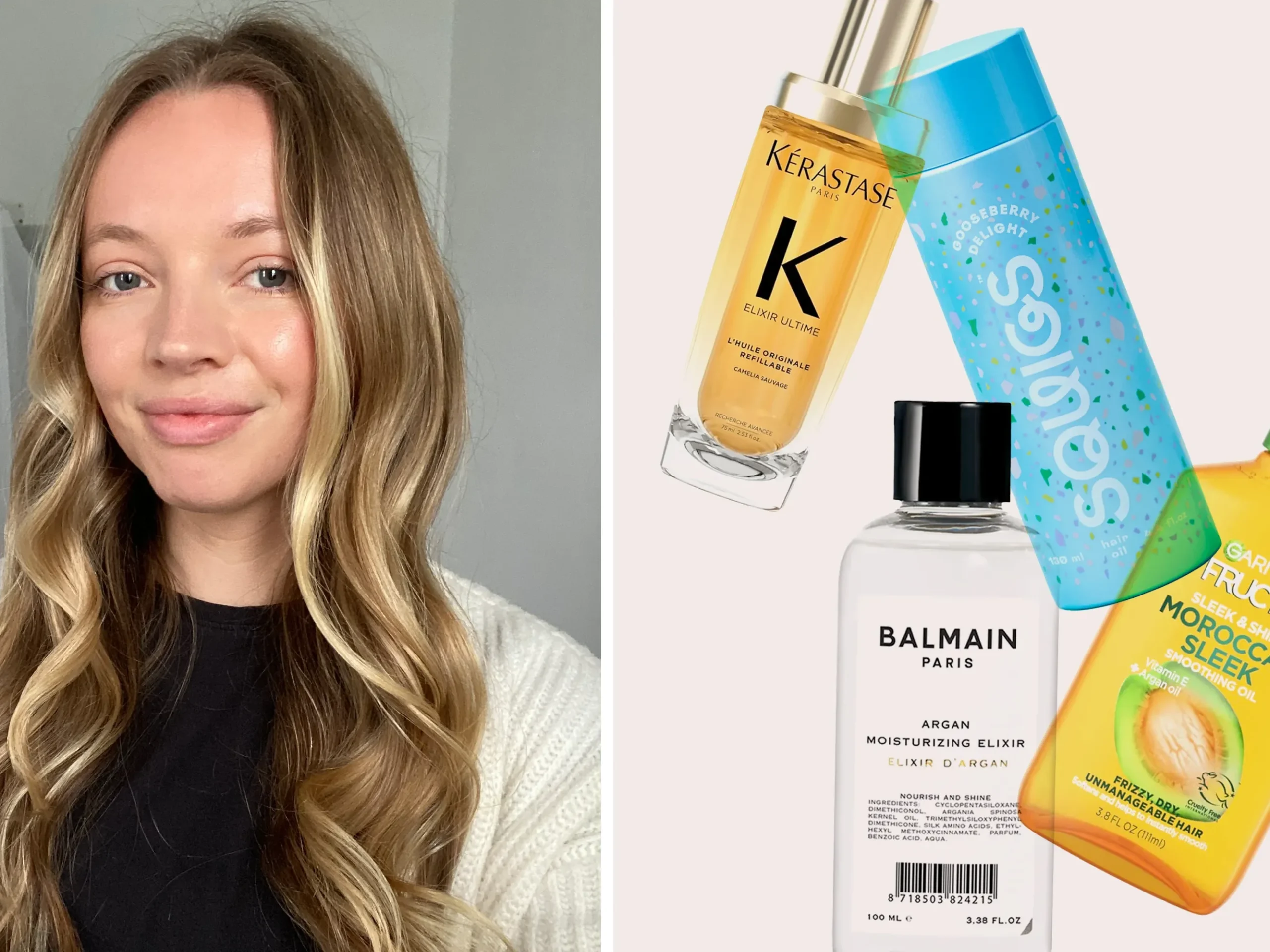
Several oils are particularly well-suited for dry hair. Coconut oil penetrates the hair shaft deeply, replenishing lost moisture and reducing protein loss. Argan oil is rich in antioxidants and fatty acids, making it excellent for softening and protecting hair from damage. Jojoba oil closely mimics the scalp’s natural oils, contributing to moisture balance without a heavy feel. Other beneficial oils include olive oil, avocado oil, and castor oil, each offering unique hydrating properties.
Factors to Consider When Selecting Oils
When choosing a hair oil, consider your hair type, scalp condition, and personal preferences. Lighter oils tend to work better for fine hair, whereas thicker, heavier oils may suit coarse or very dry hair. It’s also important to check for any allergies or sensitivities. Some people prefer pure, organic oils, while others opt for blend formulas designed for specific hair needs. Testing a small amount before full application helps determine how the oil interacts with your hair.
Preparing Your Hair Before Oil Application
Proper Shampooing and Conditioning
Before applying oil, it’s essential to start with clean hair. Use a gentle, moisturizing shampoo to remove buildup without stripping natural oils further. Follow with a conditioner that enhances softness and detangles strands. Proper cleansing creates a fresh base for the oil to work effectively, allowing better absorption and sealing.
Detangling and Sectioning Techniques
After washing, gently detangle hair using a wide-tooth comb or fingers to avoid breakage. Dividing hair into sections makes the oil application more manageable and ensures every strand is coated evenly. Sectioning also helps target specific dry areas or scalp concerns, enabling a more personalized care routine.
Step-By-Step Hair Oil Application Process
Warm the Oil for Better Absorption
Warming hair oil slightly before applying can enhance its penetration into the hair and scalp. Place the oil bottle in warm water for a few minutes or rub a small amount between your palms to increase its warmth. Warm oil is less viscous, allowing easier distribution and deeper moisturizing effects.
Applying Oil to Scalp vs. Hair Length
Start by applying the oil to your scalp if you experience dryness or itchiness there. Use your fingertips to dab small amounts across the scalp, focusing on areas that feel tight or flaky. Next, work the oil through the hair lengths and ends, where dryness usually concentrates. Avoid heavy application near the roots if your scalp tends to get oily quickly to prevent greasiness.
Using Fingers or Brushes for Even Distribution
Using your fingers to massage in the oil can evenly coat the scalp and hair strands while increasing blood circulation. Some prefer using a wide-tooth comb or a soft brush to spread the oil uniformly and detangle simultaneously. Choose a method that feels comfortable and ensures that every part of the hair is nourished without excessive product build-up.
Massage Techniques to Stimulate Scalp
Massaging the scalp during oiling improves circulation, stimulating hair follicles and encouraging healthy hair growth. Use gentle, circular motions with your fingertips for at least five to ten minutes. This not only relaxes the scalp but also helps the oil absorb more efficiently, enhancing its moisturizing and restorative properties.
Post-Application Tips for Maximum Moisture
Using Heat Caps or Towels
After oiling, covering hair with a warm towel or heat cap can boost moisture retention. The heat opens up the hair cuticles, allowing the oil to penetrate deeper. Leaving this on for 20 to 30 minutes creates a mini conditioning treatment that enhances hydration. Be sure the heat is gentle to avoid overheating or scalp irritation.
Overnight Oiling and Washing Routine
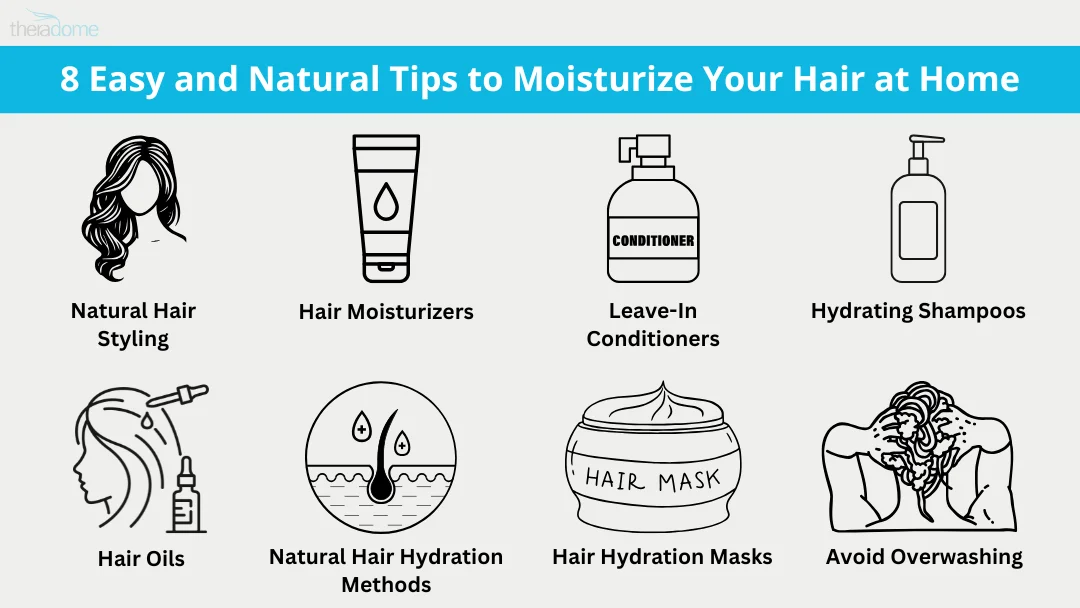
For an intensive moisture boost, leave the oil on overnight. Wrap your hair in a soft scarf or use a bonnet to protect your bedding. In the morning, shampoo thoroughly with a moisturizing shampoo to remove excess oil. This routine helps lock in maximum hydration and nourishes dry strands deeply, making hair softer and more resilient.
Common Mistakes to Avoid When Using Hair Oils
One frequent mistake is applying too much oil, which can lead to a greasy appearance and buildup on the scalp. Another is neglecting to wash oil from the hair properly, resulting in clogged follicles and scalp issues. Some also apply oil only to the scalp, ignoring the hair lengths that often need hydration most. Using oil on dirty hair can trap dirt and worsen dryness instead of improving it. Lastly, applying cold oil instead of warmed oil might reduce absorption and effectiveness.
Conclusion: Consistency Is Key for Hydrated Hair
Applying hair oils correctly is a simple yet powerful way to restore moisture and vitality to dry hair. By understanding how moisture is lost and how oils work to retain it, you can make informed choices about the right products and techniques. Preparing your hair properly, applying oil with care, and incorporating supportive post-application steps create a holistic routine that nurtures healthy hair. Staying consistent with this process ensures long-lasting hydration and noticeable improvements in texture and shine over time.