Understanding Mental Energy and Mindfulness
What Is Mental Energy?
Mental energy refers to the cognitive capacity and emotional resilience we have to tackle daily challenges. It’s not just about feeling awake; it’s about how focused, motivated, and emotionally balanced you feel throughout the day. Imagine Sarah, a project manager juggling multiple deadlines. Some days, she wakes up feeling mentally sharp and accomplished tasks with ease. Other days, she struggles to keep her thoughts organized and feels drained by noon. This variation in mental energy often stems from how well we manage our mental resources.
How Mindfulness Impacts Mental Clarity
Mindfulness—being fully present in the moment without judgment—acts like a recharge button for mental clarity. When mindful, Sarah can pause, observe her thoughts without getting overwhelmed, and reset her focus. This practice allows her brain to reduce clutter, much like closing unnecessary tabs on a computer. The impact is often immediate: a clearer mind, reduced anxiety, and heightened awareness. Over time, mindfulness can reshape how we respond to stress, making mental energy more sustainable.
Benefits of Quick Mindfulness Exercises
Immediate Effects on Stress and Anxiety
Life can throw unexpected stressors our way at any moment. For instance, consider John, who faces an intense meeting that triggers anxiety. A quick mindfulness exercise, such as focused breathing, provides an anchor to the present, calming his nervous system within minutes. This instant relief helps prevent stress from snowballing into overwhelming emotions and allows moments of calm amidst a busy day.
Long-Term Mental Health Improvements
Beyond the immediate calm, consistent mindfulness practice weaves resilience into our mental fabric. Over months, Sarah noticed she was less reactive to workplace pressures and slept better at night. Scientific studies support this anecdote, showing how regular mindfulness can reduce symptoms of depression, enhance emotional regulation, and improve cognitive function. It’s like strengthening a mental muscle that supports overall well-being.
Top 5 Mindfulness Exercises You Can Do in 10 Minutes
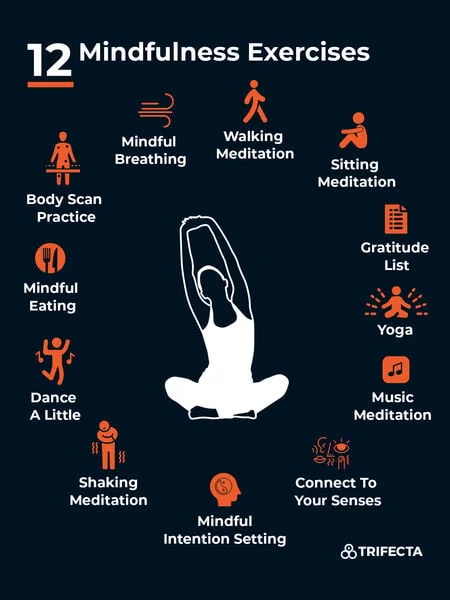
1. Focused Breathing Technique
One of the simplest and most effective ways to recharge fast is through focused breathing. When John feels overwhelmed, he often sits back in his chair, closes his eyes, and counts his breath silently—inhale for four counts, hold for four, exhale for four. This technique slows the heart rate and draws attention away from distractions, bathing the mind in calm within minutes.
2. Body Scan Meditation
In a hectic office setting, Sarah sometimes feels tension creeping up her neck and shoulders. The body scan meditation helps her identify and release that tension by mentally scanning from head to toe, noticing sensations without judgment. This practice not only promotes relaxation but reconnects her mind with her body, reminding her to slow down and care for physical well-being alongside mental health.
3. Grounding with the Five Senses
Whenever anxiety spikes, grounding yourself through the five senses can work wonders. Imagine being in a crowded cafe and feeling a swirl of distracting thoughts. By focusing on naming five things you see, four you can touch, three you hear, two you smell, and one you taste, you tether yourself to the present moment. A friend of mine uses this exercise to break free from ruminative thought loops, gaining stability in chaos.
4. Guided Visualization for Relaxation
Visualization is a powerful tool that transforms a brief mental escape into real calm. Sarah uses apps that guide her through imagining a peaceful beach or a quiet forest. Engaging the mind in this vivid imagery reduces stress hormones and encourages the parasympathetic nervous system to activate, leaving her refreshed and ready to return to work with renewed energy.
5. Mindful Walking Routine
Sometimes, stepping away is the best way to reset. John incorporates a mindful walking practice during his lunch breaks, focusing on the sensation of his feet touching the ground, the rhythm of his steps, and the sounds around him. This meditative movement not only energizes his body but also clears mental fog, providing a fresh perspective when he returns to his desk.
Creating Your 10-Minute Mindfulness Routine
Setting a Consistent Schedule
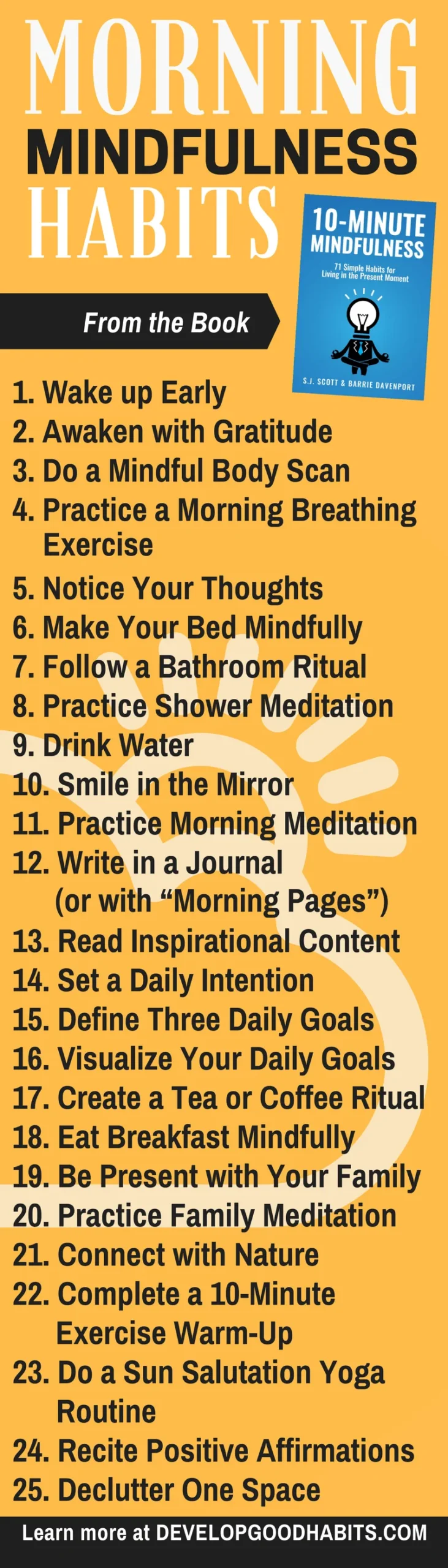
Establishing a regular time for mindfulness encourages habit formation. Sarah finds that dedicating 10 minutes first thing in the morning helps her set a calm tone for the day, while John prefers a midday break to combat the post-lunch slump. Find a slot that naturally fits your rhythm, whether it’s a morning cooldown or an evening reset, and commit to it as you would any important appointment.
Choosing the Right Environment
The setting matters more than you might think. Sarah discovered that mindfulness was easier when she found a quiet corner away from her buzzing phone and chatty colleagues. John, on the other hand, enjoys sitting near a window where natural light and outdoor views enhance his relaxation. Experiment with spaces that feel safe and soothing; the right environment can amplify mindfulness benefits.
Tracking Your Progress and Energy Levels
Keeping a simple journal or using an app to record your mindfulness practice can reveal powerful insights. Sarah noted improvements in mood and focus after a week of consistent practice, while John marked days when his energy dipped despite mindfulness, prompting him to tweak his routine. Tracking helps maintain motivation and highlights the positive impact on mental energy over time.
Tools and Apps to Enhance Quick Mindfulness Practice
Recommended Meditation Apps
Technology has made mindfulness more accessible than ever. Apps like Headspace, Calm, and Insight Timer offer guided sessions tailored for busy schedules. Sarah always appreciated Calm’s 10-minute quick sessions when she needed fast mental relief, while John leaned on Insight Timer’s variety to keep practice fresh. These tools provide structure, reducing the mental load of creating a practice from scratch.
Using Timers and Reminders Effectively
It’s easy to forget or skip mindfulness without gentle nudges. Setting reminders on your phone or smartwatch can create cues to pause and reset. John uses his phone’s timer during walks to ensure the session stays within 10 minutes, while Sarah relies on gentle alarms to remind her to breathe deeply during a hectic afternoon. These simple aids prevent mindfulness from becoming an afterthought.