Understanding Stress in Busy Professionals
Common Stress Triggers at Work
Busy professionals often juggle numerous responsibilities, leading to high-stress levels. Tight deadlines, heavy workloads, frequent meetings, and constant connectivity can create a relentless pressure cooker environment. Multitasking and unclear expectations further exacerbate this stress, making it difficult to focus and maintain a healthy balance between work and personal life.
How Stress Impacts Productivity and Health
Stress doesn’t just make a professional feel overwhelmed; it also significantly reduces productivity and creativity. When stress becomes chronic, it can lead to fatigue, irritability, and burnout, undermining overall work performance. Additionally, prolonged stress negatively affects physical health, contributing to headaches, sleep disturbances, and weakened immune response, which in turn can increase absenteeism and decrease motivation.
Principles of Effective Self-Care for Time-Strapped Individuals
Quality Over Quantity: Maximizing Minimal Time
One of the biggest challenges for busy professionals is finding enough time for self-care. The key is to focus on quality rather than quantity. Even brief, targeted self-care activities can produce meaningful stress relief if they are intentional and well-chosen. This means prioritizing simple practices that promote relaxation and mental clarity without requiring large time commitments.
Integrating Self-Care into Daily Routines Seamlessly
Self-care should not feel like an added burden or separate task. The most effective approach is to weave self-care activities into existing daily routines. For example, taking deep breaths while waiting for a meeting to start, stretching during breaks, or listening to calming music during commutes. By embedding these moments naturally into a busy schedule, professionals can reduce stress without disrupting their workflow.
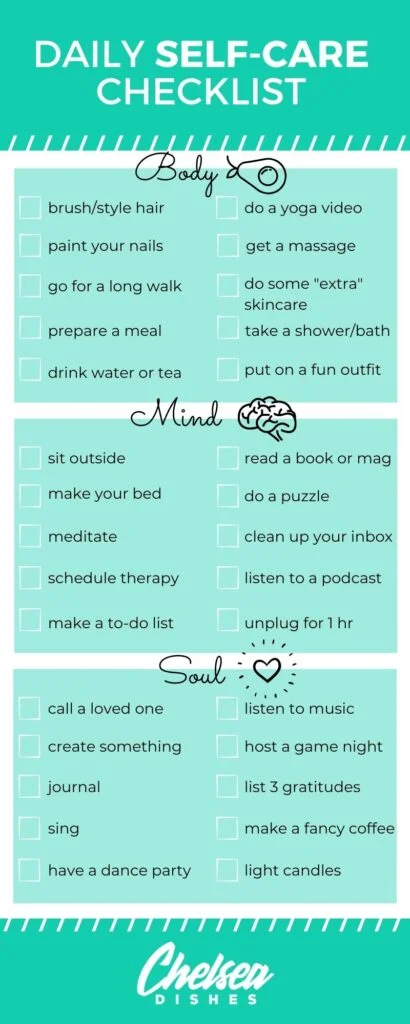
Weekly Self-Care Checklist
Monday: Mindfulness and Breathing Exercises
Starting the week with mindfulness practices helps set a calm and focused tone. Busy professionals can spend just five to ten minutes practicing simple breathing exercises or guided mindfulness techniques. This helps ground the mind, reduces anxiety about upcoming tasks, and promotes mental clarity that sustains energy through the day.
Wednesday: Movement Breaks and Stretching
Mid-week fatigue often sets in, making movement breaks essential. Gentle stretching or short walks help alleviate physical tension caused by prolonged sitting. These breaks improve circulation, clear the mind, and boost endorphins, providing a natural energy lift that supports productivity for the remainder of the week.
Friday: Digital Detox and Leisure Reading
As the workweek closes, disconnecting from screens can greatly reduce mental clutter. Setting aside time to step away from emails and notifications helps the brain transition away from work stress. Engaging with leisure reading offers a refreshing mental escape and nurtures creativity, preparing professionals for a more balanced weekend.
Weekend: Restorative Activities and Social Connection
The weekend is a crucial period for restoration. Engaging in relaxing hobbies, spending time in nature, or connecting meaningfully with friends and family replenishes emotional well-being. These activities counteract the isolation and burnout risks tied to intense workweeks and create a foundation of support that strengthens resilience.
Tips for Staying Consistent Without Feeling Overwhelmed
Setting Realistic Goals
Trying to overhaul self-care routines overnight often backfires, increasing stress rather than reducing it. Establishing small, attainable goals helps build sustainable habits. Instead of aiming for lengthy daily sessions, focus on a manageable weekly checklist that respects existing time constraints. This approach fosters a sense of achievement and reduces resistance to maintaining self-care practices.
Using Technology to Automate Reminders
Many busy professionals struggle to remember to pause and practice self-care amid their hectic days. Leveraging technology by setting automated reminders or calendar alerts can gently prompt these moments. This reduces cognitive load and creates a consistent rhythm, ensuring self-care is not forgotten or deprioritized, even when the schedule feels overwhelming.
Bonus: Simple Stress-Reducing Practices You Can Do Anywhere
Sometimes, stress hits unexpectedly, and professional environments can limit the options for self-care. In such moments, brief grounding practices like focusing on the senses, counting breaths, or using positive affirmations can be effective. These discreet techniques require no extra time or equipment and can quickly restore calm and focus anywhere, from a busy office to a crowded commute.