Understanding Social Anxiety
What is Social Anxiety?
Social anxiety is more than just feeling shy or nervous before meeting someone new. It’s a persistent feeling of worry or fear about social situations that can make people avoid them altogether. For many, it revolves around the fear of being judged, embarrassed, or humiliated by others. This anxiety can show up in anything from casual conversations to larger gatherings, affecting how a person interacts with the world.
Common Signs and Symptoms
Recognizing social anxiety can sometimes be tricky because it varies from person to person. Common signs include intense fear in social settings, sweating, an increased heart rate, or even trembling. Some people might experience difficulty speaking or making eye contact. Internally, the worry about saying the wrong thing or being negatively evaluated can be overwhelming and exhausting.
The Impact of Social Anxiety on Daily Life
The effects go beyond just feeling uncomfortable. Social anxiety can interfere with work, school, and personal relationships. It might stop someone from attending social events or taking opportunities that involve meeting new people. Over time, that avoidance can lead to isolation and reinforces the anxiety, creating a challenging cycle to break.
Preparation Strategies Before Social Interactions
Setting Realistic Expectations
One of the most helpful ways to ease social anxiety is by adjusting what you expect from yourself. It’s natural to want to make a great impression, but perfection isn’t the goal. Remember that everyone makes awkward moments sometimes, and that’s okay. Focusing on progress rather than perfection helps reduce pressure and makes social situations feel less intimidating.
Practice Through Role-Playing
Before stepping into a real social event, practicing conversations can build confidence. This could mean rehearsing common greetings or questions with a trusted friend or even in front of a mirror. The more familiar you become with different social scenarios, the more natural they’ll feel when the moment arrives. Role-playing helps create a safe space to experiment without fear of judgment.
Mindfulness and Breathing Exercises for Calmness
Feeling calm is key when meeting new people, yet anxiety can make that difficult. Mindfulness techniques and deep breathing exercises are simple tools that bring your attention to the present moment and slow down racing thoughts. Even a few deep breaths before walking into a room can ease tension and help maintain composure.
Effective Techniques to Boost Confidence During Socializing
Using Positive Self-Talk
The way you talk to yourself matters a great deal. Negative thoughts like “I’m going to mess up” or “Nobody will like me” only fuel anxiety. Instead, try to replace them with encouraging statements such as “I can handle this” or “I’m doing my best, and that’s enough.” Positive self-talk builds inner strength and can shift your mindset during social interactions.
Mastering Body Language
Non-verbal cues are a powerful form of communication. Standing or sitting with an open posture and making gentle eye contact can make you appear more approachable—not just to others, but also to yourself. Sometimes, “power poses” like standing tall or smiling can trigger real feelings of confidence. Paying attention to your body language helps send the right signals and makes conversations smoother.
Starting Conversations with Icebreakers
Breaking the ice doesn’t have to be complicated. Simple questions or comments about the environment, shared experiences, or current events can open the door to more meaningful dialogue. Having a few go-to icebreakers prepared takes some of the stress out of initiating conversations, allowing you to focus more on listening and responding naturally.
Building Long-Term Social Skills
Joining Social Groups and Activities
Engaging with groups based on your interests provides a natural context for meeting people. Whether it’s a book club, a sports team, or a hobby class, shared passions make it easier to connect without the pressure of forced small talk. These activities also create repeated social interactions, which help build familiarity and reduce anxiety over time.
Gradual Exposure to Social Situations
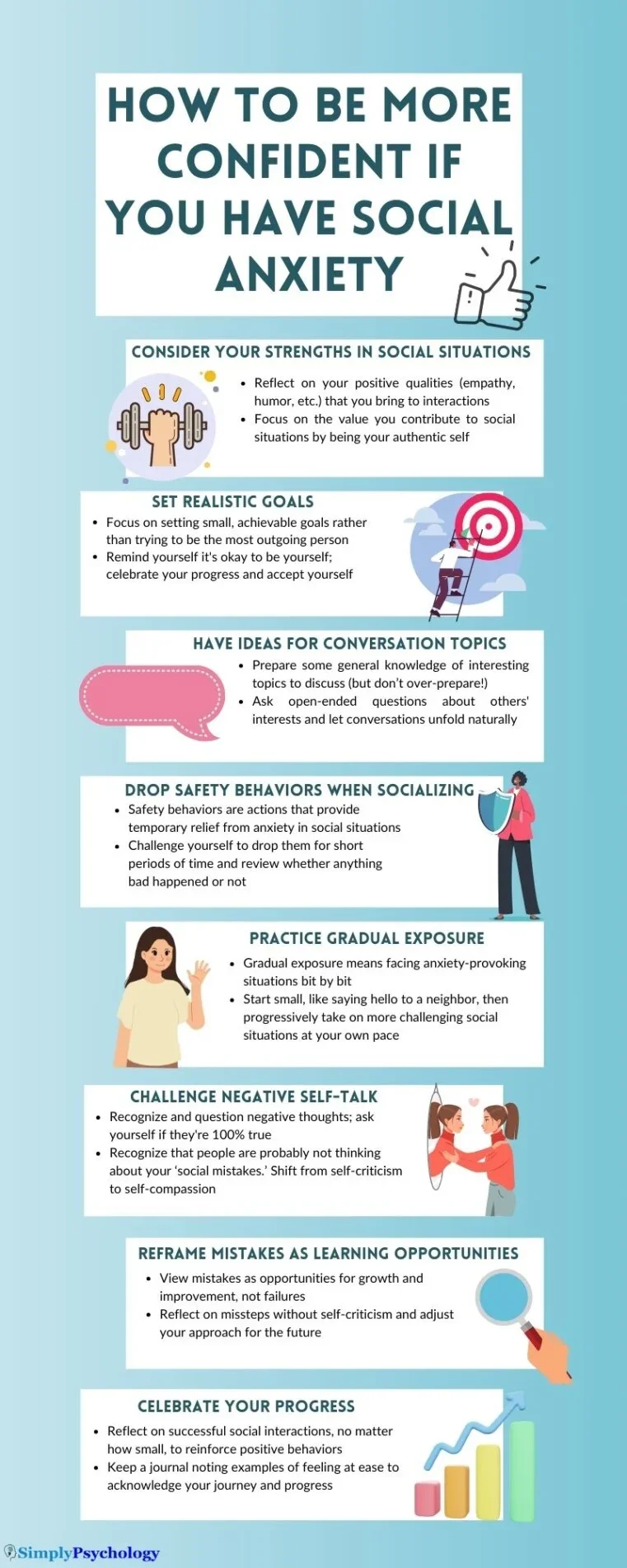
Facing anxiety all at once can be overwhelming. Instead, try a gradual approach—starting with smaller, less intimidating situations and building up to larger or more challenging ones. This gradual exposure helps desensitize fear responses and gives you a sense of accomplishment at each step. The key is consistency and gentle persistence, rather than rushing or forcing yourself too soon.
Seeking Support: Therapy and Peer Groups
It’s important to remember you don’t have to overcome social anxiety alone. Professional therapists specialize in cognitive-behavioral techniques that effectively target anxiety patterns. Peer support groups also offer a sense of community where you can share experiences and gain encouragement. These resources provide tools and understanding that can make the journey much less daunting.
Success Stories and Real-Life Examples
From Anxiety to Confidence: Personal Journeys
Many people who once struggled with social anxiety have found ways to thrive socially. Their stories often involve small steps taken over time, like attending one meetup or practicing daily affirmations. These personal journeys show that change is possible and that feeling comfortable around others can become a reality, not just a distant hope.
Lessons Learned and Practical Tips
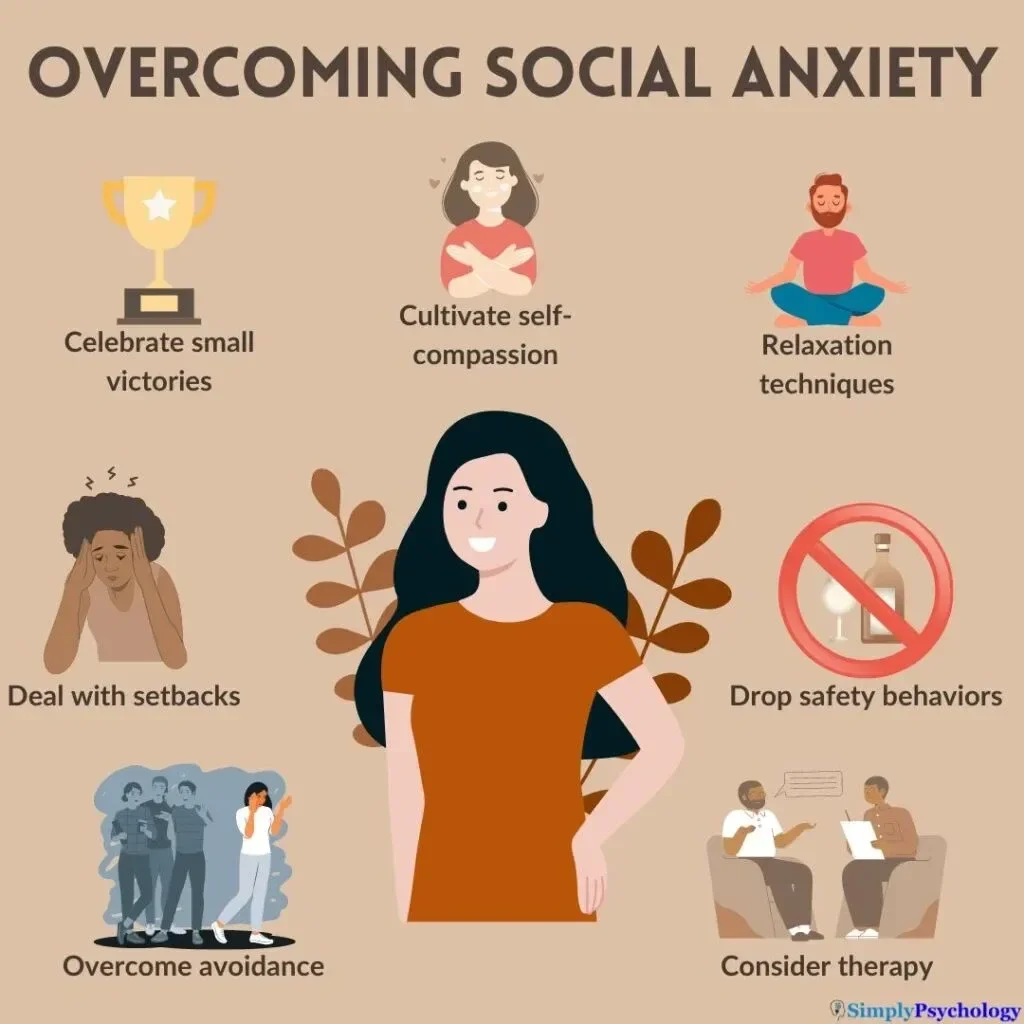
Common lessons from those who have overcome social anxiety emphasize patience and self-compassion. They often encourage celebrating small victories, accepting setbacks as part of growth, and remaining curious about others instead of getting stuck in self-judgment. Practical tips include focusing on the present interaction, preparing a few conversation starters, and reminding yourself that nerves can be managed, not eliminated.