Understanding the Dynamics of Independence and Togetherness
Defining Independence in Relationships
Independence in a relationship means maintaining a sense of self outside of the partnership. It’s about having your own thoughts, interests, and space to grow as an individual. When both partners have this freedom, it fosters confidence and prevents feelings of being overwhelmed or trapped. Independence doesn’t mean drifting apart—it simply ensures that each person retains their unique identity.
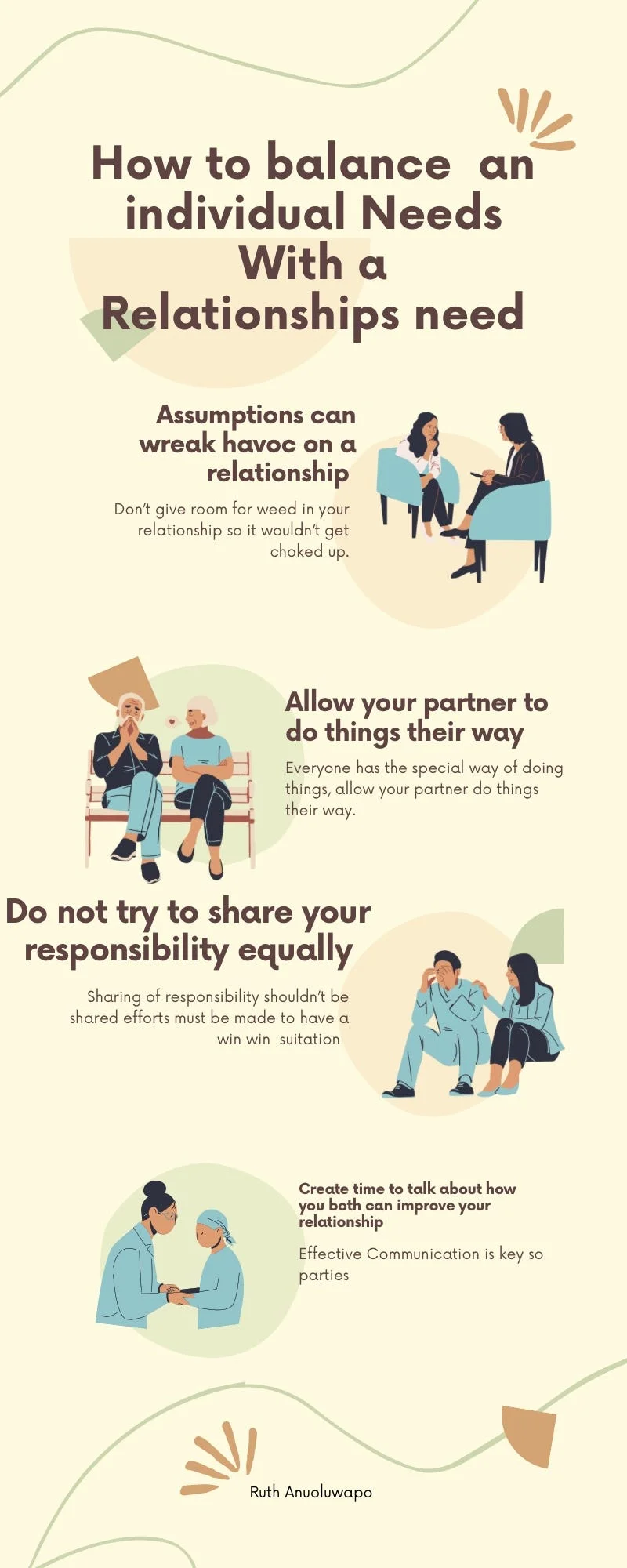
The Role of Togetherness in Emotional Bonding
Togetherness, on the other hand, is what creates the emotional glue in relationships. Sharing time, experiences, and feelings builds trust and deepens the connection. It’s the warmth of companionship that reminds us we’re not alone. Balancing togetherness with independence helps relationships stay vibrant and fulfilling, allowing both intimacy and personal freedom to coexist.
Strategies to Maintain Personal Identity
Setting Boundaries Without Alienation
One of the key ways to protect your individuality is by setting clear boundaries. These aren’t walls meant to push your partner away but rather gentle fences that define personal space and limits. It might mean agreeing on how much time you spend apart or respecting certain habits and routines. Healthy boundaries create respect and prevent misunderstandings, ensuring neither partner feels smothered or neglected.
Pursuing Individual Interests and Hobbies
Maintaining hobbies and interests outside the relationship can be incredibly enriching. Whether it’s painting, hiking, or reading, having activities you enjoy separately helps preserve your sense of self and can even add fresh energy to your connection. It’s important to encourage each other in these pursuits since individuality often brings new perspectives and excitement into the relationship.
Building Shared Experiences
Scheduling Quality Time Together
Quality time is more about meaningful interaction than quantity. Deliberately setting aside moments free from distractions allows couples to connect on a deeper level. It could be a weekly date night, a quiet walk, or simply sharing a meal without phones. These rituals become anchors in busy lives and provide opportunities to nurture the bond in a relaxed, enjoyable way.
Creating Joint Goals and Traditions
Shared goals and traditions help create a sense of partnership and purpose. Whether it’s planning a future trip, starting a small project together, or celebrating anniversaries in a special way, these shared experiences build memories that strengthen your identity as a couple. They also keep the relationship moving forward with excitement and unity.
Communication Techniques for Balance
Expressing Needs Clearly and Respectfully
Communication is the bridge that keeps the balance intact. Being open about your needs—whether for space, support, or togetherness—prevents resentment and confusion. Speaking calmly and respectfully helps your partner understand your perspective without triggering defensiveness, creating room for compromise and understanding.
Active Listening to Understand Your Partner
Equally important is the art of listening. Truly hearing what your partner says means paying attention without interrupting or planning your response. It shows respect and helps you understand their feelings and needs. Active listening can defuse tension and promotes empathy, which is key when balancing separate and shared lives.
Overcoming Common Challenges
Dealing with Jealousy and Dependence
Jealousy can sneak in when independence feels like a threat to togetherness. It’s natural to feel vulnerable, but unchecked jealousy can damage trust. Building self-confidence and open dialogue about insecurities can ease these feelings. Similarly, dependence might seem comforting at first but can limit personal growth. Recognizing these patterns early helps couples maintain a healthy dynamic.
Handling Conflicts Between Alone Time and Couple Time
Finding the right balance between solitude and companionship can be tricky. Some partners may crave more alone time while others prefer frequent togetherness. Navigating these differences requires patience and flexibility. Establishing clear expectations and revisiting them regularly can help avoid conflicts and ensure both partners feel fulfilled.
The Benefits of Balancing Independence and Togetherness
Enhancing Personal Growth
When individuals feel free to explore their interests and express themselves, they tend to grow emotionally and mentally. This growth not only benefits the person but also enriches the relationship. Independence fosters confidence and resilience, making the partnership stronger and more adaptable over time.
Strengthening Relationship Satisfaction
Couples who successfully balance autonomy and closeness often report higher satisfaction. They experience less conflict and more affection because each partner feels valued for who they are while enjoying companionship. This equilibrium creates a foundation of respect, trust, and happiness that can stand the test of time.