Understanding the Importance of a Calm Workspace
The Link Between Environment and Stress Levels
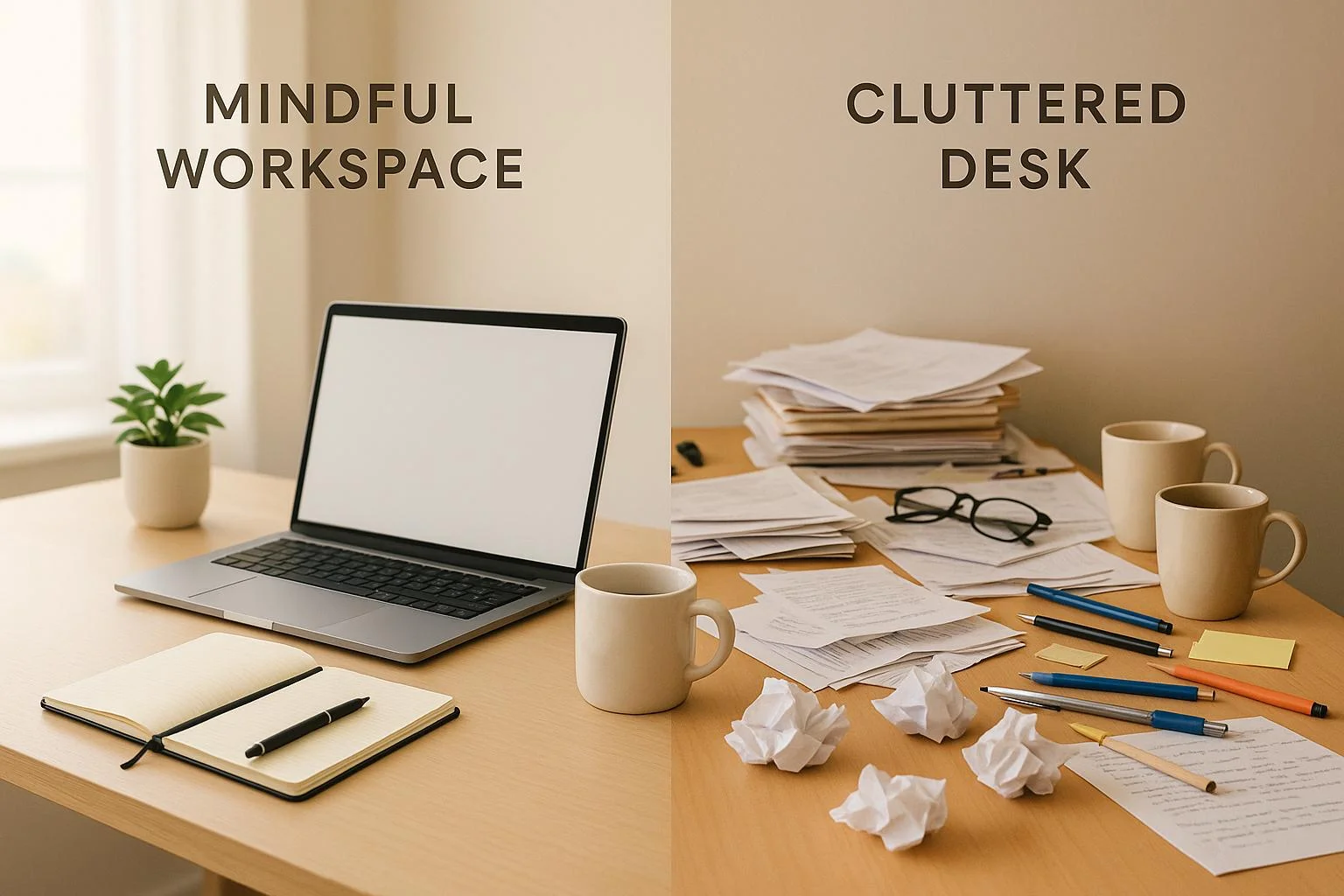
Our surroundings play a significant role in influencing our mental and emotional states. When your workspace is cluttered, noisy, or poorly lit, it can increase feelings of stress and anxiety. Conversely, a calm and thoughtfully arranged environment can help soothe the mind, making it easier to focus and feel at ease. This connection between environment and stress highlights why designing a tranquil workspace can be a powerful step toward enhancing daily well-being.
Benefits of Reducing Stress at Work
Reducing stress in your workplace is not just about comfort, but it also impacts productivity and overall happiness. A calm workspace can improve concentration, reduce fatigue, and foster creativity. Moreover, feeling less stressed at work often leads to better mood and interpersonal interactions. This improvement in emotional health contributes to a more positive workday experience and can enhance long-term resilience against burnout.
Key Elements of a Calm Workspace
Ergonomics and Comfort
Comfort is foundational when crafting a calm environment. Ergonomic furniture that supports good posture reduces physical strain, which can otherwise contribute to mental fatigue and irritability. Adjusting chair height, desk positioning, and monitor placement helps minimize discomfort, allowing you to focus fully without distractions from bodily aches or soreness.
Lighting and Color Psychology
Lighting profoundly affects mood and alertness. Natural light is ideal, as it helps regulate your body’s internal clock and supports a sense of calmness. When natural light is limited, soft, warm artificial lighting can replicate some of these benefits. In addition, the colors you choose for your workspace walls and decor influence emotional responses. Soft blues, greens, and neutrals promote relaxation, whereas harsh or overly bright colors might increase tension.
Natural Elements and Biophilic Design
Incorporating nature into your workspace, known as biophilic design, offers a calming influence. Plants not only improve air quality but also provide visual relief with their organic shapes and soothing colors. Even natural materials such as wood or stone can add warmth and texture, fostering a connection with the outdoors that helps reduce stress.
Step-by-Step Guide to Designing Your Calm Workspace
Declutter and Organize for Mental Clarity
Begin your transformation by clearing out unnecessary items. Clutter can overwhelm the mind and create distractions. Take the time to sort through your belongings, keeping only what you regularly use or find meaningful. Organize essential items in a way that keeps your workspace tidy and easy to navigate. This initial step sets the tone for a peaceful environment by establishing order and simplicity.
Incorporating Soothing Colors and Textures
Next, consider the colors and textures in your workspace. Soft paint tones on the walls can create a visual calmness, while textured elements like cushions or rugs add tactile comfort. These textures can ground the space, making it feel inviting and warm. Avoid overly stimulating patterns or sharp contrasts that might disturb the tranquil atmosphere.
Choosing Plants and Natural Decor
Add a few well-chosen plants to your desk or nearby shelves. Select species known for low maintenance to avoid adding stress in caring for them. Natural decor such as small stones, wood carvings, or shells can also provide gentle aesthetic interest without overwhelming the senses. These elements connect you with nature and foster a sense of serenity.
Setting Up Noise Control and Aromatherapy
Sound impacts concentration and mood, so managing noise is essential. Use noise-canceling headphones or soft background sounds like white noise or gentle nature sounds to mask disruptive noises. Aromatherapy, through subtle scents like lavender or chamomile, can complement the calm atmosphere. However, ensure any fragrances are mild and personally agreeable to avoid creating discomfort.
Daily Habits to Maintain a Stress-Free Workspace
Mindfulness and Breathing Exercises
Maintaining calmness requires ongoing effort beyond the physical setup. Integrate brief mindfulness or deep breathing exercises into your day. These practices help center your thoughts and reduce tension when feelings of overwhelm arise. Even a few minutes of focused breathing can restore clarity and calm.
Scheduled Breaks and Movement
Regular breaks are vital for sustaining a stress-free environment. Step away from your desk periodically to stretch, walk, or perform light movements. These actions relieve physical tightness and refresh your mind. Incorporating movement prevents the buildup of stress and contributes to a more balanced workday.
Personalizing with Positive Reminders
Finally, personalize your workspace with objects that uplift your spirit. This might include inspiring quotes, photos of loved ones, or artwork that brings joy. Such positive reminders can shift your mindset and provide emotional support during challenging moments, reinforcing the workspace as a sanctuary of calm.