Why Choose High Protein Breakfasts?
The Science Behind Protein and Satiety
Starting the day with a protein-rich breakfast is more than just a trend; it’s rooted in solid science. Protein takes longer to digest than carbohydrates, which means it helps you feel fuller for a longer period. When you eat protein in the morning, it triggers the production of hormones that reduce hunger and curb your appetite, making it easier to resist snacking before your next meal. This heightened sense of fullness can drastically reduce those mid-morning cravings that often lead to overeating or reaching for less nutritious options.

Impact on Metabolism and Energy Levels
Beyond satiety, protein plays a vital role in boosting your metabolism. The process of digesting protein requires more energy compared to fats or carbs, a phenomenon known as the thermic effect of food. This means eating a high protein breakfast can slightly increase the number of calories you burn during the day. Additionally, protein helps maintain stable blood sugar levels, preventing energy crashes and keeping you alert and focused. This steady energy supply ensures you’re not only fuller but also more productive throughout your morning.
Top High Protein Breakfast Foods
Animal-Based Options
When it comes to breakfast, classic high protein options often come from animal sources. Eggs remain one of the most versatile and nutrient-dense choices, packed with essential amino acids. Greek yogurt is another excellent option, providing a creamy texture and a protein punch. Lean meats like turkey or chicken sausage can also be incorporated for those who prefer savory breakfasts. These foods not only supply protein but also deliver important vitamins like B12 and minerals such as iron and zinc, which are crucial for overall health.
Plant-Based Alternatives
For those leaning towards plant-based diets, there are plenty of protein-rich options to energize your morning. Legumes like lentils or chickpeas may seem unconventional for breakfast but can be delicious in spreads or breakfast bowls. Tofu scramble offers a fantastic egg substitute with a similar texture and high protein content. Nuts, seeds, and quinoa are other stellar choices that complement fruits and vegetables for a balanced, filling meal. These options also provide fiber and healthy fats, supporting digestion and heart health.
Easy Recipes to Start Your Day Right
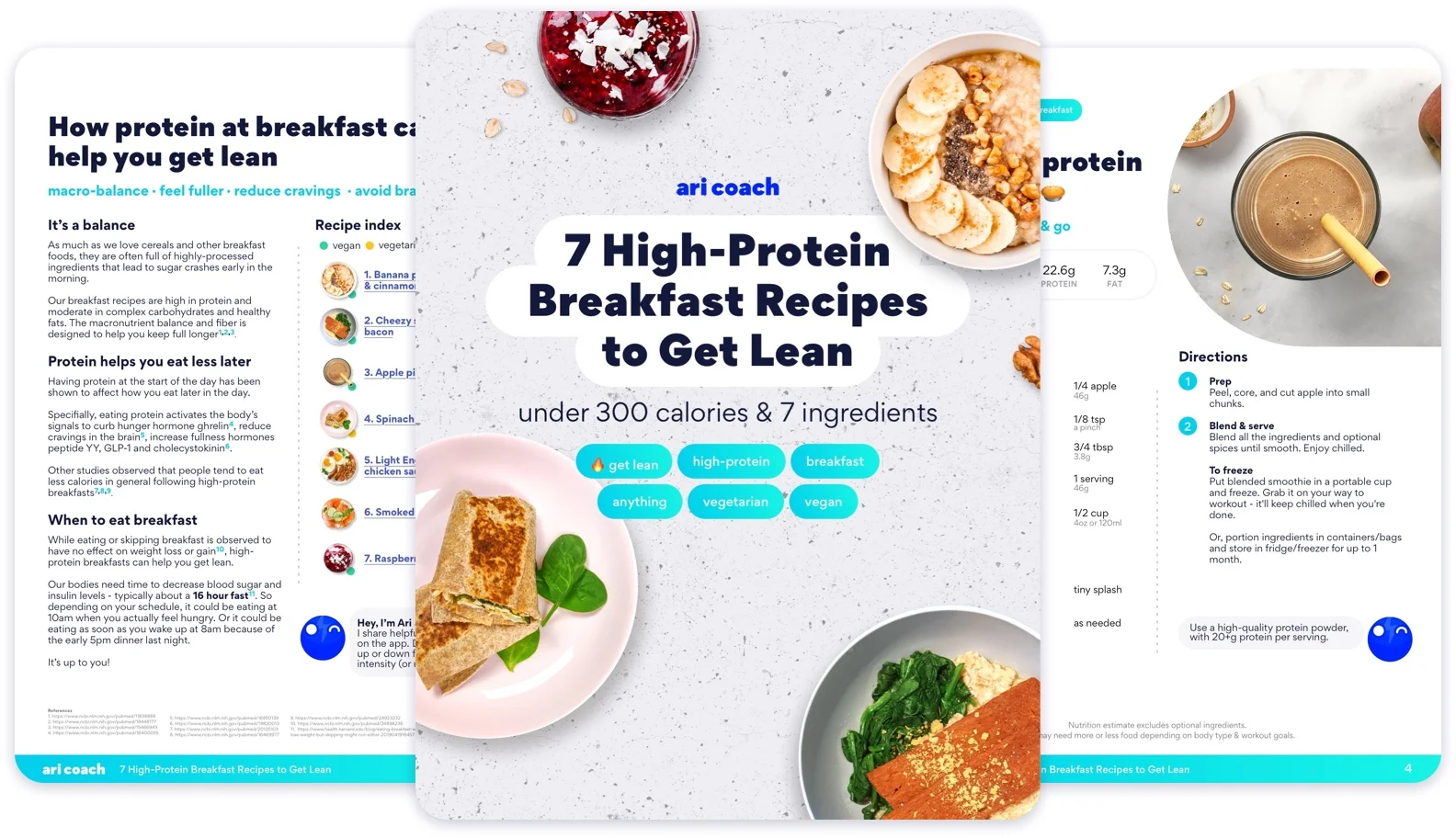
If you’re short on time, simple recipes can make a high protein breakfast achievable every morning. Overnight oats mixed with Greek yogurt and chia seeds require no cooking but deliver a satisfying combo of protein and fiber. A quick spinach and feta omelet is another speedy way to pack in protein while enjoying vibrant flavors. For something sweet, a smoothie bowl with pea protein powder, berries, and almond butter offers a nutrient-dense option that energizes your day. The key is finding recipes that match your lifestyle and tastes to ensure consistency.
The Role of High Protein Breakfasts in Weight Management
Reducing Cravings Throughout the Day
One of the biggest challenges when trying to lose weight is managing cravings that can derail your efforts. High protein breakfasts help by stabilizing blood sugar and reducing hunger hormones, which in turn lowers your tendency to snack impulsively. By fueling your body adequately in the morning, you’re less likely to seek out sugary or high-calorie snacks later. This naturally leads to a reduction in overall calorie intake without feeling deprived, making weight loss a more sustainable process.
Supporting Muscle Maintenance During Weight Loss
Weight loss isn’t just about shedding fat; preserving lean muscle mass is equally important. Protein serves as the building block for muscles, so having enough in your diet—starting with breakfast—helps maintain muscle tissue even as you lose weight. This is crucial because muscle helps keep your metabolism running efficiently. Incorporating sufficient protein at the start of your day primes your body for muscle preservation and supports physical activity, which are both key for long-term weight management.
Tips for Incorporating More Protein in Your Morning Routine
Meal Prep Strategies
Adding protein to breakfast can feel challenging, especially when mornings are rushed. Preparing meals ahead of time can be a game-changer. Cooking egg muffins or preparing protein-packed smoothie bags in advance takes the guesswork out of your routine. You can also batch-cook items like quinoa or lentils and keep them refrigerated for quick additions to your breakfast. This approach not only saves time but ensures you start your day with balanced nutrition consistently.
Smart Shopping Guide for Protein-Rich Ingredients
Having the right ingredients on hand inspires breakfast creativity. When shopping, look for versatile protein sources such as eggs, Greek yogurt, cottage cheese, and lean deli meats if you eat animal products. On the plant-based side, stock up on tofu, legumes, seeds like hemp and chia, and whole grains like quinoa. Don’t forget nut butters, which add both protein and healthy fats. Keeping your pantry and fridge stocked with these ingredients makes it easy to throw together a protein-rich meal without much fuss.
Potential Pitfalls and How to Avoid Them
Balancing Protein with Other Nutrients
Focusing on protein is important, but it should never come at the cost of a balanced breakfast. Carbohydrates and healthy fats are essential too—they provide quick energy, support brain function, and help your body absorb certain vitamins. A breakfast that’s all protein but lacking in fiber or healthy fats might feel heavy or leave you feeling unsatisfied. The goal is to create meals that combine protein with colorful fruits, whole grains, and a touch of fat to keep you energized and content.
Avoiding Overconsumption and Digestive Issues
While protein is beneficial, too much can cause discomfort, such as bloating or digestive upset, particularly if your body isn’t used to higher amounts. It’s best to increase protein gradually and spread it throughout the day rather than consuming an excessive amount at once. Drinking plenty of water and including fiber-rich foods can also ease digestion. Remember that quality matters too; choosing lean, minimally processed protein sources supports overall gut health.