Understanding Desk Job Stiffness
Common Causes of Stiffness from Prolonged Sitting
Spending long hours seated in front of a computer can lead to muscle stiffness and joint discomfort. When the body remains in a fixed position, blood circulation slows, and muscles can tighten. Poor posture, such as slouching or leaning forward, amplifies tension in key areas like the neck, shoulders, and lower back. Over time, these factors combine to create an overall feeling of rigidity and reduced mobility.
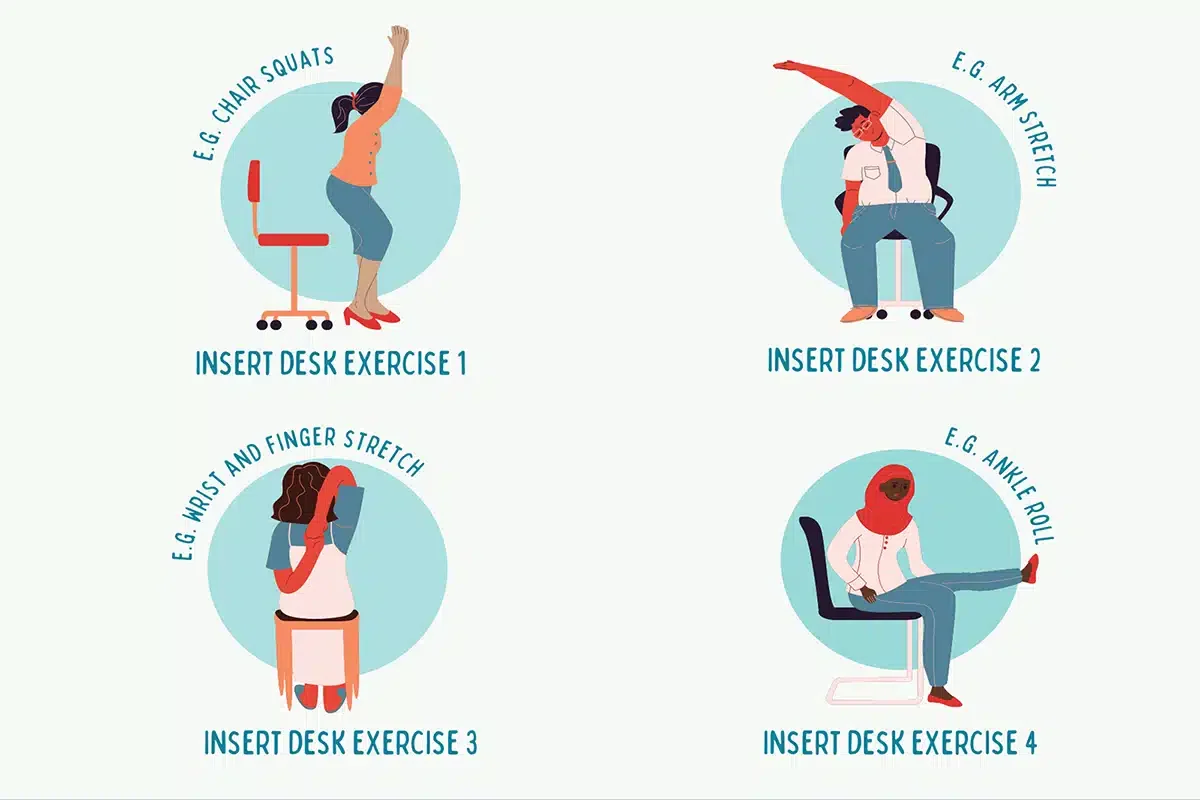
Impact of Stiffness on Productivity and Health
Stiffness doesn’t just cause physical discomfort; it can also negatively affect concentration and energy levels. Persistent muscle tightness may lead to distracted thinking and increased fatigue, reducing workplace efficiency. Over longer periods, failing to address stiffness could contribute to chronic pain and decreased flexibility, making daily tasks more challenging. This underscores the value of simple preventive practices to keep the body feeling agile and alert.
Preparation: Setting Up a Comfortable Stretching Space at Home
Choosing the Right Time and Environment
Creating a relaxing space for stretching enhances both the effectiveness and enjoyment of the routine. Morning stretches work best when done in a quiet area free from distractions, allowing full focus on the body. Natural light and fresh air can boost mood, encouraging consistency. Opt for a time just before starting work to prepare the muscles for the day ahead and reduce stiffness early on.
Essential Tools and Accessories for Stretching
While stretching can often be done with just body weight, a few simple items can make the process more comfortable and efficient. A non-slip yoga mat provides cushioning and stability, especially for floor stretches. Comfortable clothing that allows free movement helps prevent restriction. Optionally, a foam roller or stretching strap can assist with deeper muscle engagement but are not necessary for basic routines.
Top 7 Simple At-Home Stretches to Combat Desk Job Stiffness
Neck and Shoulder Relaxation Techniques
Gentle neck stretches relieve tension caused by leaning forward at the desk. Slowly tilting the head side to side or rotating it in small circles helps loosen stiff muscles. Shoulder rolls, moving the shoulders up, back, and down in a circular motion, release built-up tightness and improve circulation.
Upper Back and Spine Mobility Stretches
To address stiffness across the upper back, seated or standing cat-cow stretches effectively mobilize the spine. These movements involve alternating between arching and rounding the back to create flexibility. Additionally, crossing one arm over the chest and gently pulling it with the other hand stretches the upper back and shoulder blades.
Hip Openers and Lower Back Relief
Hips often become tight after prolonged sitting, contributing to lower back discomfort. Lunges or seated figure-four stretches help open the hip flexors and glutes. Simple forward bends can also ease tension along the lower back, promoting lumbar flexibility and comfort.
Wrist and Hand Flexibility Exercises
Desk work frequently leads to wrist stiffness from typing and mouse use. Stretching the wrists by extending the arm with the palm facing outward and gently pulling back the fingers improves flexibility. Clenching fists followed by stretching fingers wide apart increases circulation and reduces tightness in the hands.
Creating a Morning Stretch Routine: Step-by-Step Guide
Duration and Order of Stretches
Begin your routine with gentle neck and shoulder movements to wake up the upper body. Follow with upper back and spine stretches to encourage fluidity through the torso. Next, release hip and lower back tension before ending with wrist and hand mobility exercises. Spending about 10 to 15 minutes total allows for thorough stretching without feeling rushed.
Tips to Stay Consistent with Your Routine
Setting a regular time each morning builds habit strength. Keeping your stretching space ready and visible helps remind you to practice. Pairing stretches with another morning ritual, like listening to music or deep breathing, can increase enjoyment. Finally, tracking progress or feelings of relief fosters motivation to continue the routine daily.
Additional Lifestyle Tips to Prevent Desk Job Stiffness
Incorporating Mini Breaks During Work Hours
Taking brief pauses every hour to stand, walk, or stretch interrupts prolonged sitting and reduces stiffness buildup. Even simple actions like changing posture or reaching upward can refresh muscles and joints. These moments also give the mind a break, enhancing both physical and mental well-being.
Ergonomic Adjustments for Your Workspace
Setting up a desk environment that supports natural posture minimizes strain throughout the day. An adjustable chair with lumbar support, the correct monitor height, and keyboard placement encourage alignment. Ensuring feet rest flat on the floor and wrists remain neutral helps prevent discomfort that leads to stiffness.