Understanding the Importance of At-Desk Stretches
How Prolonged Sitting Affects Posture and Energy
Spending long hours seated at a desk can significantly impact both posture and energy levels. When sitting for extended periods, the body tends to adopt a slouched position, placing strain on the spine, neck, and shoulders. This can lead to discomfort, stiffness, and a gradual weakening of muscles that support proper posture. Additionally, reduced blood circulation due to inactivity often causes feelings of fatigue and decreased alertness, making it harder to maintain focus during the workday.
Benefits of Incorporating Stretching Into Your Workday
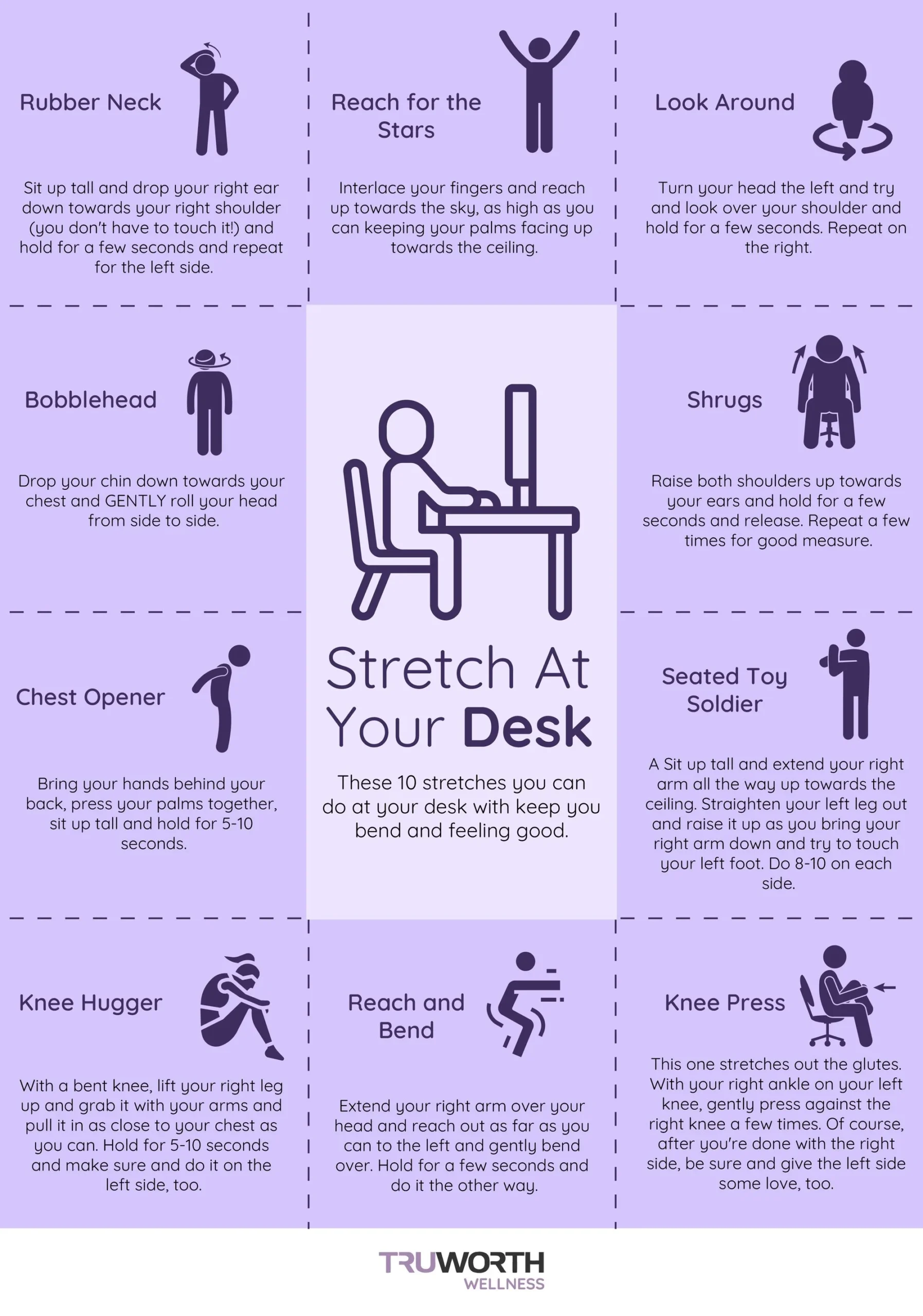
Introducing simple stretching exercises during your work routine can counteract the negative effects of prolonged sitting. Stretching helps to realign the spine, relieve muscle tension, and improve blood flow, resulting in better posture and increased energy levels. These movements also encourage a brief mental break, which can reduce stress and enhance overall productivity. By making stretching a consistent habit, you support your body’s natural alignment and foster a more energized and comfortable work experience.
Quick and Effective Stretches You Can Do at Your Desk
Neck and Shoulder Relaxation Moves
To begin easing tension accumulated around the neck and shoulders, start with gentle head tilts. Slowly lower your ear toward one shoulder while keeping your back straight, holding the stretch for a few seconds before switching sides. Following this, perform shoulder rolls by lifting the shoulders towards your ears and then circling them backward and downward. These movements encourage relaxation in tight muscles and prevent stiffness that often results from hunching over a computer.
Spine-Friendly Twists and Extensions
Supporting spinal health at your desk is crucial in maintaining good posture. One effective stretch involves sitting upright with feet flat on the floor and twisting your torso gently to one side, using your hand on the opposite knee as leverage. Hold this position briefly, then repeat on the other side. Another beneficial movement is a seated back extension, where you place your hands behind your hips and arch your back slightly while lifting your chest. These stretches help to keep your spine flexible and counteract the forward-leaning posture fostered by work tasks.
Lower Body Stretches to Boost Circulation
Circulation in the lower body often suffers during long periods of sitting, which can lead to swelling and discomfort. To encourage better blood flow, try ankle circles by lifting one foot off the ground and rotating your ankle slowly in both directions. Calf raises are another great option; simply lift your heels while keeping your toes on the floor and lower them back down repeatedly. Incorporating these lower limb stretches into your routine stimulates circulation and minimizes the buildup of stiffness and fatigue.
Designing a Daily Stretch Routine for Maximum Impact
Timing Your Stretches Effectively
For the greatest benefits, time your stretches strategically throughout the workday. Short stretching breaks every hour can be more effective than one longer session, as they interrupt static postures and encourage regular movement. Aim to spend just a few minutes on each break, focusing on different muscle groups. By spacing out your stretches, you maintain better posture continuously and prevent energy dips that arise from prolonged inactivity.
Combining Breathing Techniques for Increased Energy
Integrating mindful breathing with your stretches amplifies their energizing effects. As you perform each movement, try inhaling deeply through your nose and exhaling slowly through your mouth. This conscious breathing promotes oxygen flow to the muscles and brain, which can refresh your mind and body. Breathing also helps to relax tense muscles and reduce stress, creating a more balanced state that supports sustained energy throughout your workday.
Tips to Maintain Good Posture Throughout the Day
Ergonomic Desk Setup Essentials
A well-designed workspace is foundational to keeping good posture as you work. Position your chair so that your feet rest flat on the floor and your knees are at a 90-degree angle. Ensure your computer screen is at eye level to avoid leaning forward or craning your neck. Using a chair with proper lumbar support helps maintain the natural curve of your lower back. These adjustments create a supportive environment that makes it easier to maintain proper posture and reduces physical strain.
Mental Reminders and Apps to Encourage Movement
Staying mindful of your posture and activity levels can be challenging amidst a busy work schedule. Setting regular reminders or using specialized apps can prompt you to pause and stretch. These tools encourage consistent movement and posture checks, reinforcing the habit of integrating stretches into your day. Over time, such mental cues help transform standing breaks and stretching into automatic behaviors, contributing significantly to better posture and sustained energy.