Understanding the Science Behind Sleeping with Wet Hair
How Moisture Affects Hair Structure Overnight
Sleeping with wet hair introduces excess moisture to the hair strands for an extended period. Hair is composed of a protein called keratin, which swells when wet, making the strands more vulnerable to damage. As the hair remains damp during sleep, the swollen cuticles become weaker, increasing the risk of breakage due to friction against the pillowcase. This prolonged moisture exposure can cause the hair shafts to lose their natural strength and smoothness, ultimately compromising hair health.
The Role of the Scalp’s Environment in Hair Health
The scalp is a delicate ecosystem that needs balanced moisture and air circulation to stay healthy. When the scalp remains damp overnight, it creates a humid environment that disrupts the natural balance. This moist environment can encourage the growth of bacteria and fungi, leading to scalp discomfort and potential irritation. Poor scalp conditions not only affect comfort but also impede the healthy growth of hair, emphasizing the importance of maintaining a dry scalp before sleeping.
Potential Damages Caused by Wet Hair During Sleep
Increased Hair Breakage and Split Ends
One common problem stemming from sleeping with wet hair is the increase in hair breakage and split ends. The wet strands are more fragile and prone to snapping when moved or rubbed against bedding. Tossing and turning during sleep can cause additional stress on these weakened fibers, resulting in damage that accumulates over time. This not only affects hair length but also its overall appearance and texture.
Dampness and Fungal Infections on the Scalp
Damp hair combined with a closed environment like a pillowcase can foster fungal infections and scalp conditions such as dandruff. Fungi thrive in warm, moist conditions, and prolonged dampness makes the scalp an ideal breeding ground. This can lead to itchiness, flakiness, and discomfort, which indirectly impact hair vitality by disturbing the scalp’s health.
Frizz and Tangling Issues

Another visible issue associated with sleeping on wet hair is increased frizz and tangling. When hair is soaked, the cuticles lift, and overnight friction causes strands to rub unevenly. This results in unruly tangles that are difficult to manage in the morning, often leading to excessive hair pulling and further breakage during detangling routines.
Simple Prevention Tips for Healthy Hair Care
Effective Hair Drying Techniques Before Bedtime
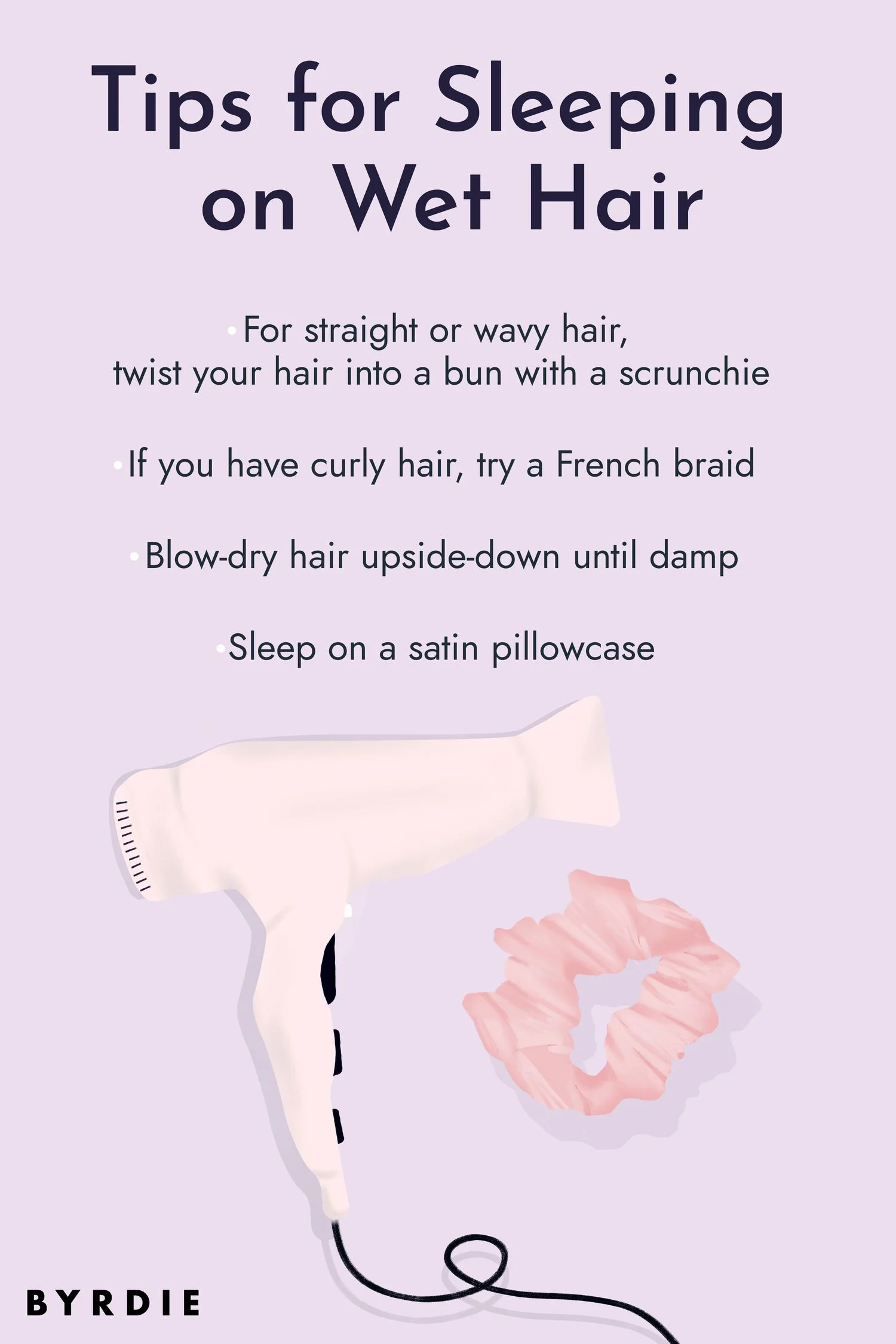
The key to preventing damage from wet hair during sleep lies in thorough drying before bed. Instead of relying solely on air drying, which can leave the hair damp for too long, use a gentle towel patting method that avoids rough rubbing. For those with thick or long hair, allowing the hair to dry naturally for a brief period before using a low-heat blow dryer can reduce overnight moisture effectively. Ensuring hair is mostly dry helps restore its strength and lowers the risk of damage.
Choosing the Right Hair Accessories for Wet Hair
When the hair is still slightly damp at bedtime, selecting the right accessories can minimize breakage. Silk or satin pillowcases reduce friction compared to cotton alternatives, allowing hair to glide smoothly during movement. Additionally, loosely tying hair with a soft scrunchie or using a silk hair wrap can prevent excessive tangling without putting too much strain on the strands.
Best Nighttime Hair Care Products to Use
Using lightweight leave-in conditioners or hair serums designed for nighttime use can offer protective benefits. These products help to lock in moisture without weighing the hair down, creating a barrier against friction and environmental stressors. Choosing formulations that focus on hydration and smoothing the cuticle can maintain hair health even if there is occasional dampness left at bedtime.
Myths vs. Facts: Debunking Common Beliefs About Wet Hair and Sleep
There are several myths surrounding the effects of sleeping with wet hair that often create confusion. One common misconception is that sleeping with wet hair causes colds or illnesses. While damp hair may make you feel chilly, it does not directly cause infections, which are caused by viruses or bacteria. Another myth suggests that wet hair drying overnight is always better for hair health, but in reality, excessive moisture over time can lead to the problems discussed above. Understanding these facts helps individuals make informed choices rather than following unsupported beliefs.
Quick Takeaways
Sleeping with wet hair can lead to structural hair damage, scalp health issues, and cosmetic problems like frizz and tangling. The primary cause is the prolonged exposure of hair and scalp to moisture combined with friction during sleep. Preventive measures such as drying hair properly before bed, using gentle hair accessories, and applying suitable nighttime hair products are practical steps to maintain hair health. Separating myths from facts encourages better care habits and helps safeguard hair’s natural strength and appearance.
Conclusion
The impact of sleeping with wet hair goes beyond mere discomfort, influencing both scalp condition and hair integrity. Recognizing the science behind moisture’s effects on hair and scalp provides clarity on why this habit can be damaging. By adopting simple prevention techniques, it is possible to protect hair health effectively without complex routines. Prioritizing dry hair before sleep and choosing appropriate care products pave the way for stronger, healthier hair and a more comfortable scalp environment.