Understanding Severely Dry Hair
Causes and Symptoms of Severe Hair Dryness
Severely dry hair often results from a combination of factors including environmental exposure, chemical treatments, and inadequate hair care routines. For example, someone living in a dry climate who frequently uses heat styling tools like straighteners or curling irons may notice their hair becoming brittle, frizzy, and dull over time. Symptoms typically include split ends, increased breakage, rough texture, and a lack of natural shine. Picture a person who colors their hair regularly without proper moisturizing treatments; their strands tend to lose elasticity and feel straw-like to the touch.
Why Deep Conditioning Is Essential
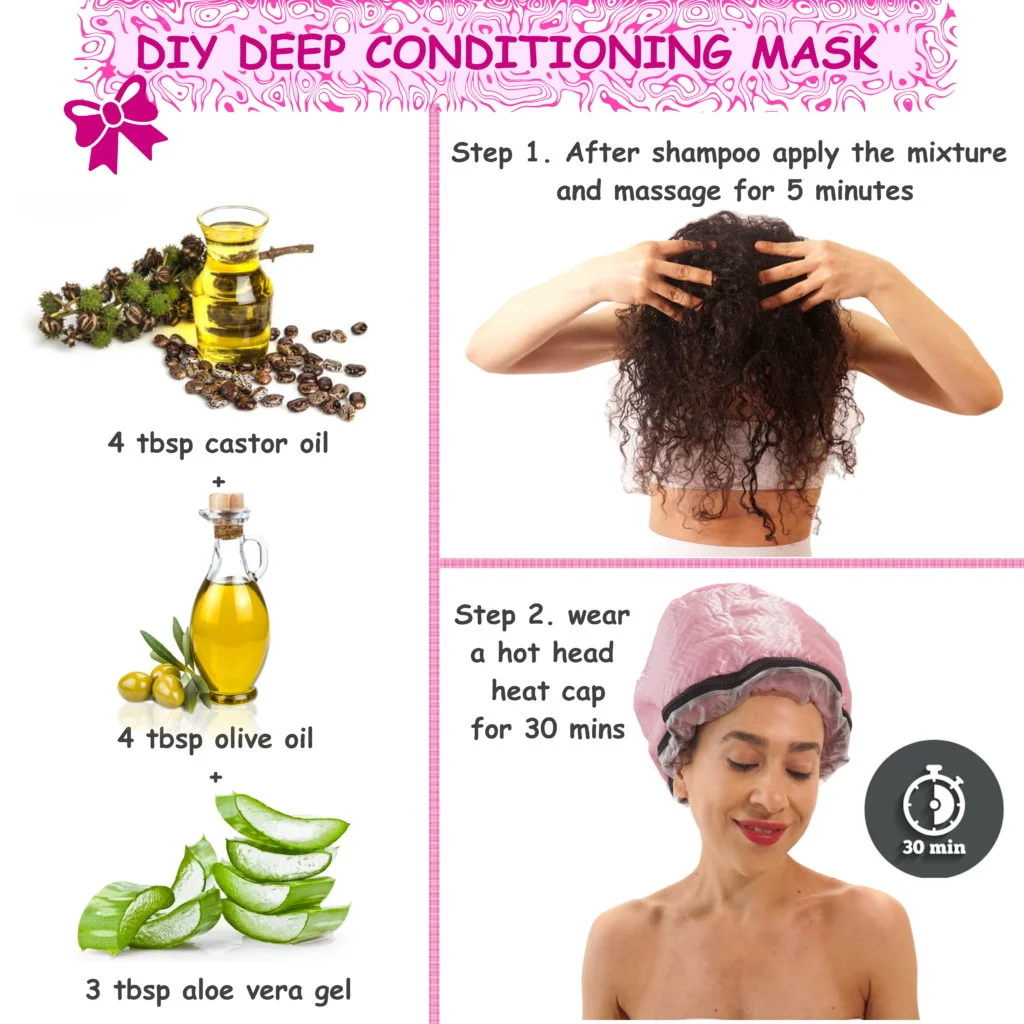
Deep conditioning is more than just a luxury—it’s a lifeline for dry hair. It replenishes lost moisture, restores protein, and smooths the hair cuticle. Think of it like giving your hair a nourishing spa day at home, easing the damage caused by daily wear and environmental stressors. Without proper conditioning, dry hair can continue to deteriorate, leading to more severe breakage and an overall unhealthy appearance. Regular deep conditioning treatments help maintain softness, manageability, and shine, making them essential for anyone dealing with severe dryness.
Key Ingredients for Effective DIY Deep Conditioning
Natural Oils and Butters
When creating your own deep conditioning treatments, natural oils like coconut, olive, and castor oil play a crucial role. These oils penetrate the hair shaft to provide intense hydration and reduce protein loss. For example, coconut oil is renowned for its ability to nourish from within, especially when left on hair for extended periods. Butters such as shea butter add an extra layer of moisture and seal in hydration, which is particularly beneficial for those with coarse or curly hair textures. Including these rich oils and butters in your mix creates a powerful base to revive dry, lackluster locks.
Hydrating Additives: Honey, Aloe Vera, and More
Adding hydrating ingredients like honey and aloe vera boosts the moisturizing power of your DIY treatments. Honey is a natural humectant, meaning it draws moisture from the air into the hair, which is perfect for combating dryness. Aloe vera gel soothes the scalp while enhancing hydration and promoting hair growth. People have found these ingredients effective when paired with oils or creamy bases, transforming simple mixtures into deeply nourishing masks. Other additives worth exploring include mashed bananas and yogurt, which contribute vitamins and proteins essential for hair health.
Step-by-Step Guide: Preparing Your Hair for Treatment
Pre-treatment Cleansing
Before applying a deep conditioning treatment, it’s important to start with clean hair to ensure maximum product absorption. For instance, someone who frequently uses styling products like gels or sprays might find their hair’s cuticles clogged, preventing moisture from seeping in. Washing with a gentle, sulfate-free shampoo that removes buildup without stripping natural oils prepares the hair perfectly. After washing, gently towel dry to dampness—hair that is too wet or too dry reduces the effectiveness of the treatment.
Application Techniques for Maximum Absorption
Applying your DIY conditioner with care is essential. Begin by dividing hair into sections to ensure even coverage from roots to ends. Using your fingers or a wide-tooth comb helps distribute the product thoroughly. After application, wrapping hair in a warm towel or using a heat cap can open the hair cuticles and boost penetration of the nutrients. People often find that leaving the treatment on for at least 30 minutes yields noticeable improvements, with some preferring to leave it overnight for deep nourishment.
Top 5 DIY Deep Conditioning Recipes
Avocado and Coconut Oil Moisture Booster
Imagine Emma, a busy mom with dry hair, blending one ripe avocado mashed with two tablespoons of coconut oil. The creamy texture of avocado nourishes while the oil seals in moisture. Emma applies this mixture post-shampoo, covers her hair with a shower cap, and relaxes for 40 minutes. This simple recipe restores softness and shine, even after a week of constant exposure to dryers and harsh weather.
Banana, Honey, and Olive Oil Repair Mask
Josh, who enjoys outdoor activities and struggles with sun-damaged hair, swears by this mask. He mashes a ripe banana and mixes it with a tablespoon of honey and olive oil. The banana adds moisture and elasticity, honey locks it in, and olive oil repairs. Josh applies this mask twice monthly, noticing less breakage and smoother strands within weeks.
Yogurt and Aloe Vera Hydration Formula
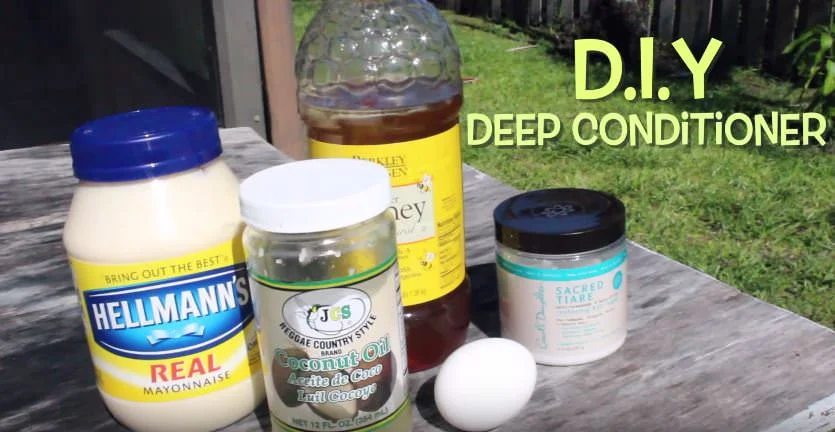
For Megan, who has fine but dry hair, this formula works wonders. She combines half a cup of plain yogurt with three tablespoons of aloe vera gel. The yogurt strengthens hair with protein, while aloe soothes the scalp and moisturizes. After 30 minutes under a warm towel, Megan rinses with cool water, leaving her hair feeling light yet deeply hydrated.
Shea Butter and Castor Oil Restoration Treatment
Michael, who has coarse, curly hair, finds this treatment invaluable. He melts a tablespoon of shea butter and mixes it with two tablespoons of castor oil. Shea butter provides rich moisture, and castor oil encourages hair growth and thickness. Michael applies the warm mixture generously, focusing on the ends, then covers his hair overnight for deep restoration. His curls become more defined and less brittle.
Egg and Honey Protein-Rich Conditioner
Sophia uses this protein-packed mask once a month when her hair feels weak. Beating one egg with a tablespoon of honey, she applies the mixture evenly. The egg proteins rebuild damaged strands, while honey ensures moisture balance. Sophia leaves the treatment on for 20 minutes before washing out with lukewarm water, noting stronger, shinier hair afterward.
Aftercare Tips to Maintain Hydration and Shine
Rinse Methods and Drying Techniques
After deep conditioning, how you rinse and dry your hair can significantly affect results. It’s best to use cool or lukewarm water to rinse out conditioners, as hot water may strip moisture. For drying, avoid aggressive towel rubbing which causes friction and damage. Instead, gently blot or squeeze excess water and let hair air dry when possible. For those in a hurry, a diffuser on low heat helps maintain hydration and prevent frizz.
Recommended Hair Care Products Post-Treatment
To extend the benefits of deep conditioning, selecting the right hair care products is vital. Lightweight leave-in conditioners or serums with ingredients like argan oil or keratin complement deep treatments by adding daily moisture and protection. People with severely dry hair might also benefit from sulfate-free shampoos and conditioners designed to hydrate and repair. Incorporating these products into a regular routine helps sustain shine and softness long after the DIY treatment.