Understanding the Importance of Evening Self-Care for Sleep
The Link Between Evening Habits and Sleep Quality
After a long day, the moments before bedtime set the stage for how restful the night will be. Evening habits, like how you unwind or what you engage with, deeply influence your sleep quality. Imagine Sarah, a marketing manager, who used to scroll endlessly on her phone until midnight. She would wake up feeling drained, barely recovering from her daily stress. By simply adjusting her pre-sleep routine to include calming activities, she noticed significant improvements in how quickly she fell asleep and how refreshed she felt the next day.
Why Busy Adults Struggle With Restful Sleep
Busy adults often juggle professional demands, family responsibilities, and social commitments, leaving little time for proper rest. The constant pressure results in racing minds and prolonged exposure to artificial light, both known to disrupt natural sleep rhythms. For example, consider Daniel, a father of two and a consultant, whose late-night work emails kept his mind active and his sleep fragmented. Without intentional self-care rituals, it’s easy to fall into patterns that undermine the body’s natural ability to relax and recharge.
Top Simple Evening Rituals to Enhance Sleep
Mindful Breathing and Relaxation Techniques
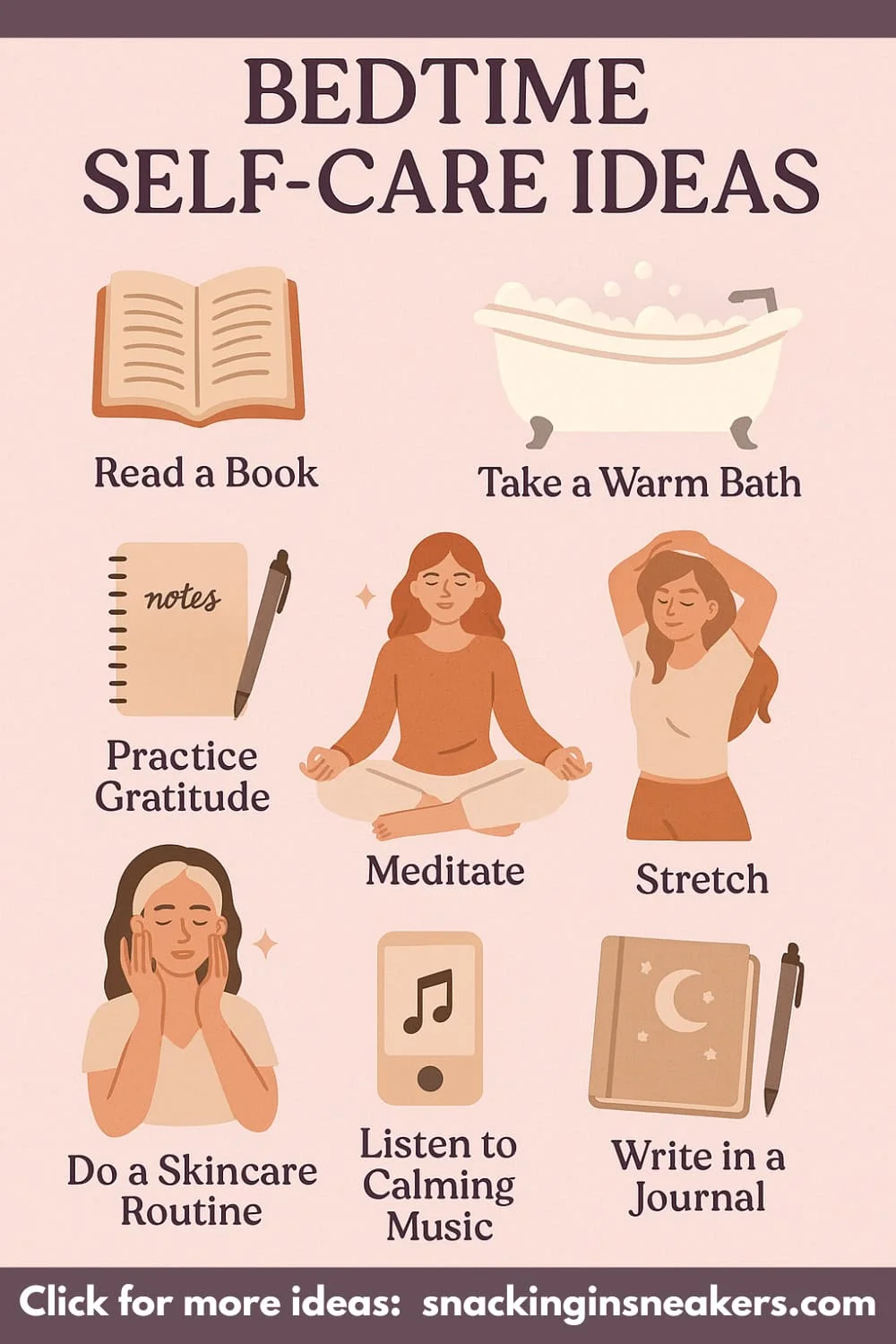
Mindful breathing can act like a reset button, calming the nervous system after a hectic day. Diane, an accountant, found that spending just five minutes focusing on her breath helped her transition from work stress to a peaceful mindset. Taking slow, deep breaths encourages the body to release tension and signals the brain to prepare for sleep. Incorporating this into an evening ritual makes it easier to let go of the day’s worries and ease into rest.
Creating a Technology-Free Wind-Down Zone
Electronics emit blue light, which can confuse the brain into thinking it’s still daytime. Establishing a technology-free zone an hour before bed can drastically improve sleep onset. Rachel, a graphic designer, replaced her usual phone scrolling with reading printed books in a cozy corner. This change fostered relaxation and reduced the mental stimulation that often delays sleep. Setting boundaries around screen use helps recreate a calm environment essential for a smooth transition to sleep.
The Power of Herbal Teas and Light Evening Snacks
Certain herbal teas, like chamomile or peppermint, can provide a soothing end to the day without overstimulating the body. Alongside a light snack that won’t cause discomfort, this gentle ritual can prevent hunger from interrupting sleep. Alex, a software developer, often enjoys a small bowl of almonds with his tea, creating a comforting signal that the day is winding down. While not a cure, these simple additions support relaxation and signal the body it’s time to rest.
Setting Up Your Environment for Optimal Rest
Ideal Bedroom Lighting and Temperature
The ambiance of your bedroom plays a significant role in how easily you drift off. Soft, warm lighting in the evening mimics sunset and encourages melatonin production, a hormone crucial for sleep. Maria, a nurse who works long shifts, dims her lights an hour before bed and uses blackout curtains to block external light. Keeping the room cool, around 60-67°F (15-19°C), also helps lower core body temperature, making sleep more comfortable and less restless.
Choosing Bedding That Supports Comfort
Comfortable bedding tailored to individual needs can reduce tossing and turning. Some prefer breathable cotton sheets, while others favor weighted blankets for a gentle but firm sensation of security. John, a busy teacher, switched to a hypoallergenic pillow and noticed reduced neck discomfort, contributing to longer, uninterrupted sleep. Paying attention to these tactile details encourages the body to fully relax and renew overnight.
Incorporating Light Movement and Stretching
Gentle Yoga Poses for Evening Calm
Light yoga can be a powerful way to ease muscle tightness and slow down mental chatter. Emma, a social worker, includes a few restorative poses before bed, such as child’s pose or legs-up-the-wall, to calm her nervous system. These movements encourage mindfulness and help regulate breathing, creating a natural bridge between the busyness of the day and quiet rest.
Quick Stretch Routines to Release Daytime Tension
Simple stretching routines can target common trouble areas like the shoulders and lower back, which often hold daytime stress. Mike, an architect, found that even five minutes of neck and shoulder stretches before bed relieved his stiffness and reduced discomfort that previously disturbed his sleep. This practical step fosters physical ease that can translate into better sleep quality.
Maintaining Consistency for Long-Term Sleep Benefits
How to Build and Stick to an Evening Ritual
Forming new habits can be challenging, especially with a demanding schedule. The key lies in starting small and creating cues that remind you to engage in your evening self-care routine. For instance, setting an alarm as a signal to begin winding down helped Claire, a consultant, integrate relaxation techniques into her nightly pattern without feeling overwhelmed. Consistency builds momentum, turning a series of actions into a comforting ritual that signals the body to prepare for sleep.
Tracking Sleep Improvements Over Time
Observing changes in sleep quality can motivate continued practice. Keeping a simple journal to note how rested you feel or how many hours you sleep can reveal patterns and improvements. Jacob, a sales manager, found that documenting his progress helped him adjust his routine and reinforce positive behaviors. Tracking doesn’t require technology; just a pen, paper, and honest reflections can provide valuable insights.
Conclusion
For busy adults, evening self-care rituals offer a practical way to enhance sleep quality by easing the transition from hectic days to restful nights. Whether it’s practicing mindful breathing, creating a tech-free environment, or adjusting bedroom comfort, these simple yet intentional actions can make a meaningful difference. By embracing consistency and attentiveness to personal needs, restful sleep becomes a reachable goal, supporting overall well-being and daily performance.