Introduction to Desk Exercises for Energy Boost
Why Sitting for Long Periods Drains Your Energy
Imagine Sarah, a marketing specialist, who spends most of her day glued to her computer screen. By mid-afternoon, she often feels lethargic and struggles to focus. This common experience stems from prolonged sitting, which reduces blood flow and slows metabolism. When muscles remain inactive, the body tires more quickly, leading to that dreaded energy slump. This physiological response explains why simply staying seated for hours without movement can zap your vitality.
The Importance of Movement at Your Workspace
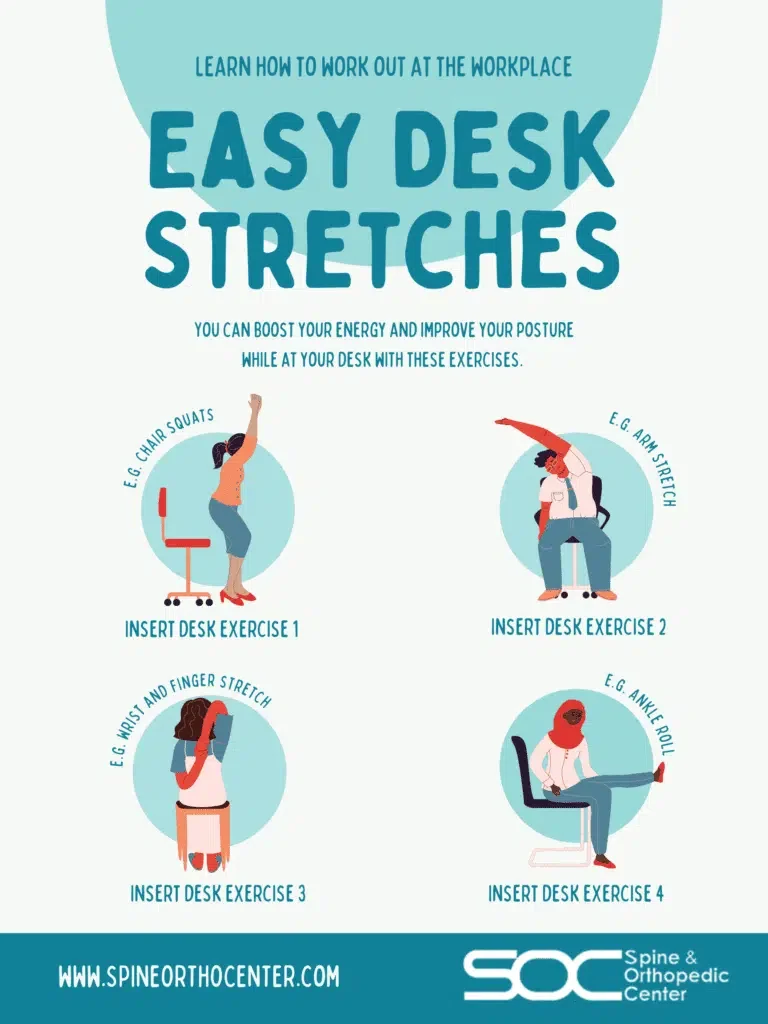
Movement is not just about physical fitness; it’s a key ingredient in maintaining mental alertness. For John, a software developer, introducing small bursts of activity during his work hours changed his productivity levels dramatically. When you move, your heart rate slightly increases, sending more oxygen to your brain and muscles. This natural boost helps break the monotony, refresh your mind, and can even ease stress and stiffness caused by long hours at your desk.
Easy Desk Exercises to Stay Refreshed
Seated Leg Lifts and Ankle Rolls
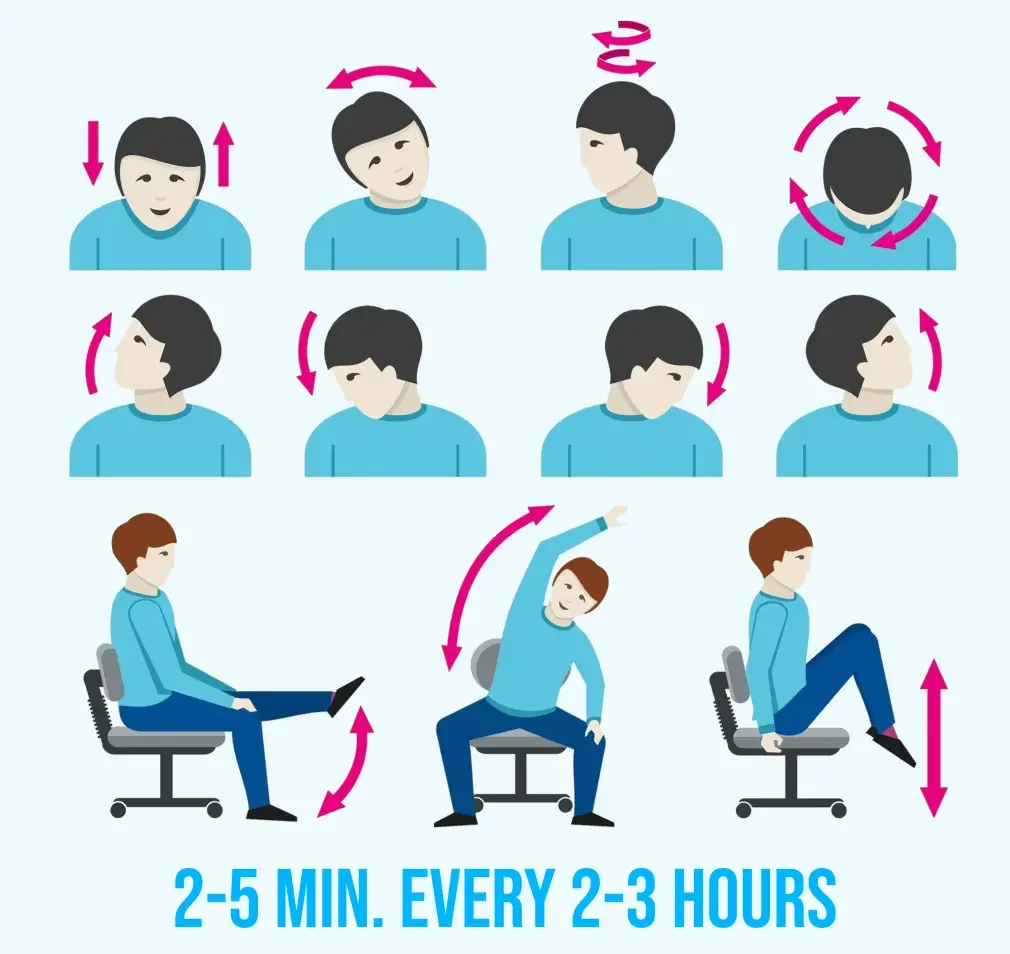
One afternoon, Laura realized her legs felt swollen and stiff after hours sitting in meetings. To combat this, she started trying seated leg lifts—simply extending each leg straight out and holding it for a few seconds before lowering it. Complementing this with ankle rolls, where she circled her feet slowly, helped improve circulation in her lower limbs. These exercises are subtle enough not to disrupt a meeting but effective in preventing fatigue and stiffness.
Shoulder Shrugs and Neck Stretches
Mark found his shoulders tense from hunching at his desk. He began practicing shoulder shrugs by lifting his shoulders toward his ears and then releasing them down, which eased his tightness. Incorporating neck stretches, such as gently tilting his head side to side or forward, helped him release built-up tension. These movements proved invaluable during those long conference calls, providing relief without needing to leave his chair.
Wrist and Finger Mobility Exercises
For remote worker Emily, typing nonstop brought discomfort to her wrists. She found relief by gently stretching her wrists back and forth and flexing her fingers individually. These motions helped reduce stiffness and kept her hands nimble, which was essential for long hours of computer work. Such exercises are quick, discrete, and can easily become a part of your regular work routine.
Stretching Techniques to Relieve Workday Tension
Upper Body Stretches You Can Do at Your Desk
During his breaks, David practiced stretches like reaching his hands overhead and interlacing his fingers to elongate his spine. This simple act counteracted the curled posture common among desk workers. He also tried seated torso twists by turning his upper body gently from side to side. These stretches helped him ease muscle tightness and invigorate his upper body, allowing him to return to work feeling refreshed.
Lower Body and Hamstring Stretches
Anna noticed her lower back was sore after long workdays. She incorporated hamstring stretches by extending one leg forward with the heel on the floor and gently leaning into the stretch. This move, even performed while seated, helped relieve pressure on her lower back and kept her legs feeling less fatigued. Adding these stretches to her routine made a significant difference in her comfort throughout the day.
Building a Routine: How to Incorporate Desk Exercises
Timing Your Breaks for Maximum Energy
James found that setting specific times to move made a big impact. He paused every hour for five minutes to stand up and perform a few simple exercises. This regularity prevented long sedentary periods and kept his energy consistent. His experience shows that intentional breaks, even brief ones, can effectively recharge your focus and reduce the harm of continuous sitting.
Using Reminders and Apps to Stay Consistent
When Priya struggled to remember to take breaks, she turned to technology. Using reminder apps that popped up with exercise prompts encouraged her to stand and stretch regularly. These digital nudges became a crucial tool in embedding movement into her workday without disrupting her workflow. For anyone seeking consistency, leveraging such tools can transform desk exercises from a good idea into a daily habit.
Additional Tips for Maintaining Energy Levels
Hydration and Nutrition During Work Hours
Besides movement, hydration plays a subtle but powerful role in keeping energy up. For example, Michael kept a water bottle at his desk and made a habit of sipping water throughout the day. Staying hydrated not only helps prevent fatigue but also encourages periodic movement when refilling the bottle. Complementing this with balanced snacks, like nuts or fruit, supports stable energy without the crash that sugary options can cause.
Optimizing Your Workspace for Movement
Rachel rearranged her workspace to encourage more activity. By placing frequently used items like her phone or documents slightly out of arm’s reach, she found herself standing or stretching to access them. She also swapped her standard chair for one with better support, reducing discomfort that once discouraged movement. Such adjustments can subtly promote healthier habits and preserve energy throughout demanding work hours.