Understanding Emotional Intimacy in Relationships
The Role of Emotional Connection
Emotional intimacy is the foundation of a deep and lasting relationship. It allows partners to feel safe, understood, and valued beyond the surface level. Without emotional connection, relationships tend to become distant and superficial, lacking the trust needed for true closeness. The problem arises when couples underestimate the importance of nurturing this connection daily, often assuming it will sustain itself without intentional effort.
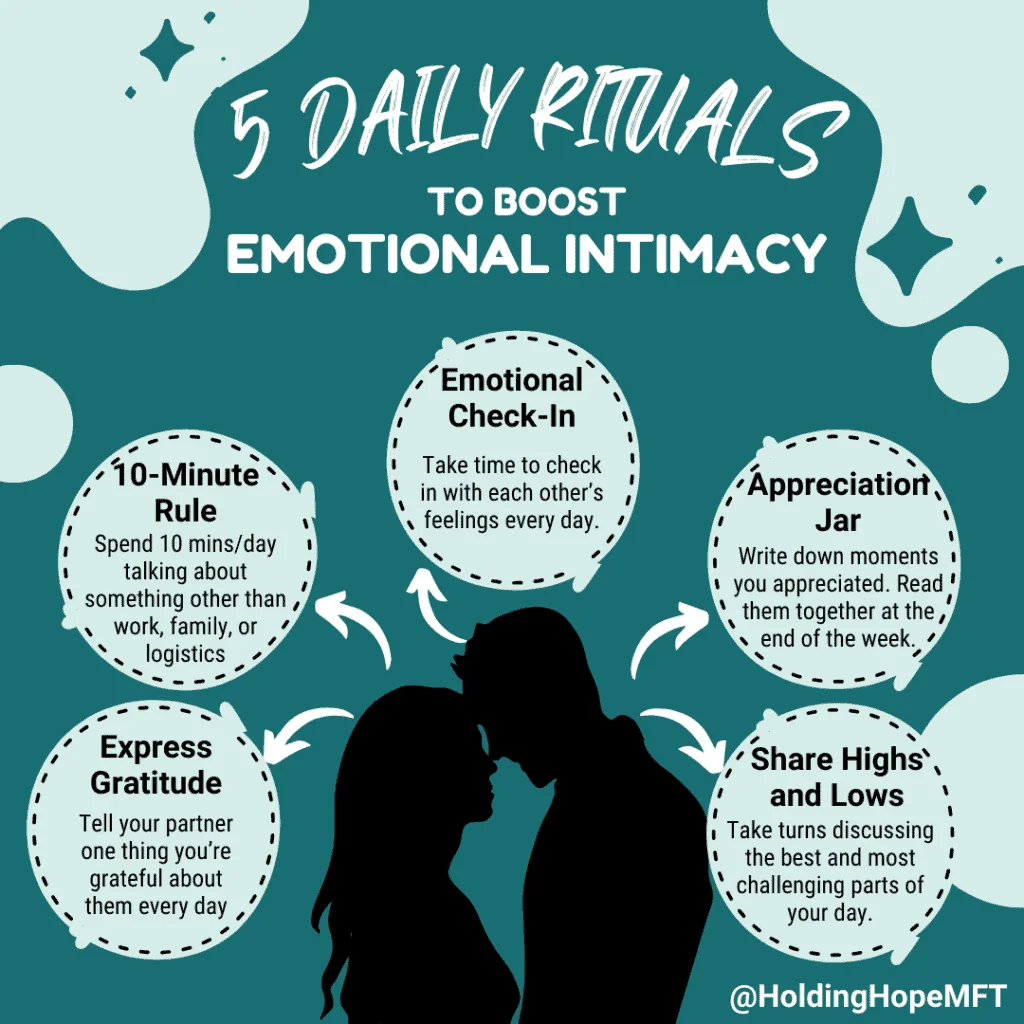
Emotional intimacy is not just about sharing feelings but also about creating a shared space where both partners feel genuinely connected. This connection forms the emotional glue that holds partnerships together through challenges and change.
Signs of Strong vs. Weak Emotional Intimacy
Identifying the quality of your emotional intimacy can be tricky but is essential. Strong emotional intimacy often manifests as effortless conversations, mutual vulnerability, and a clear sense of partnership. Partners feel comfortable sharing their fears, joys, and frustrations without fear of judgment or rejection.
In contrast, weak emotional intimacy might show up as frequent misunderstandings, emotional withdrawal, or a lack of meaningful communication. When these signs are present, it usually indicates that emotional needs are not being met, putting the relationship at risk of growing apart.
Daily Habits to Foster Emotional Closeness
Active Listening Techniques
One major obstacle to emotional intimacy is poor listening. Many couples fall into the habit of half-hearing each other while focusing on distractions like phones or daily stresses. This fractured attention can cause partners to feel undervalued and unheard.
The solution lies in active listening, which involves fully concentrating on your partner’s words, reflecting back what you understand, and asking clarifying questions. Daily practice of this habit not only enhances communication but also reinforces emotional safety and trust.
Sharing Daily Experiences
Ignoring the small everyday moments can rob a relationship of emotional richness. When partners routinely share their experiences—whether it’s a challenge at work or a joyful accomplishment—they create a continuous narrative that deepens their bond.
This habit counters emotional distance by making each partner feel involved in the other’s life. Setting aside time each day for such exchanges, even for just a few minutes, can significantly enhance emotional closeness.
Expressing Appreciation and Gratitude
A common mistake is taking your partner for granted. Over time, couples may stop acknowledging the positive things their partner does, leading to feelings of neglect or resentment. This lack of appreciation can erode emotional intimacy without either person realizing it.
Make it a daily habit to express genuine appreciation for your partner’s efforts and qualities. Simple acknowledgments such as “Thank you for listening” or “I really appreciate how you handled that situation” nurture warmth and emotional safety within the relationship.
Communication Practices to Deepen Your Bond
Setting Aside Quality Time
In today’s busy world, one of the biggest challenges couples face is carving out quality time together. When time is rushed or fragmented, meaningful communication suffers. The problem is less about the quantity of time and more about the quality and focus during that time.
Intentional scheduling of moments free from distractions—such as dinners without screens or a short walk together—helps partners reconnect emotionally. Even brief but undistracted interactions can recharge emotional intimacy when done consistently.
Using “I” Statements to Share Feelings
Many couples inadvertently escalate conflicts by blaming or making accusatory statements. Such communication patterns often trigger defensiveness, shutting down emotional openness. The cause is often a lack of skills in expressing vulnerable feelings constructively.
The solution is to use “I” statements, which center the conversation on your own feelings rather than your partner’s faults. For example, saying “I feel hurt when plans change suddenly” invites empathy instead of conflict. This approach fosters understanding and emotional safety, helping partners navigate tough conversations more effectively.
Nonverbal Expressions of Affection
Words are crucial, but nonverbal cues carry significant emotional weight. Overlooking the role of touch, eye contact, and facial expressions can lead to a sense of disconnect. Often, couples get caught up in verbal exchanges and forget how much nonverbal signals contribute to emotional closeness.
Small gestures like holding hands, a gentle touch on the arm, or sustained eye contact during conversations communicate care and presence. Integrating these nonverbal expressions into daily interactions strengthens the emotional bond in subtle yet powerful ways.
Overcoming Common Barriers to Emotional Intimacy
Managing Stress and Distractions
Stress from work, family obligations, or external pressures is a major barrier to maintaining emotional intimacy. When overwhelmed, partners tend to withdraw or become irritable, creating emotional distance. The underlying cause is often poor stress management and a lack of shared coping strategies.
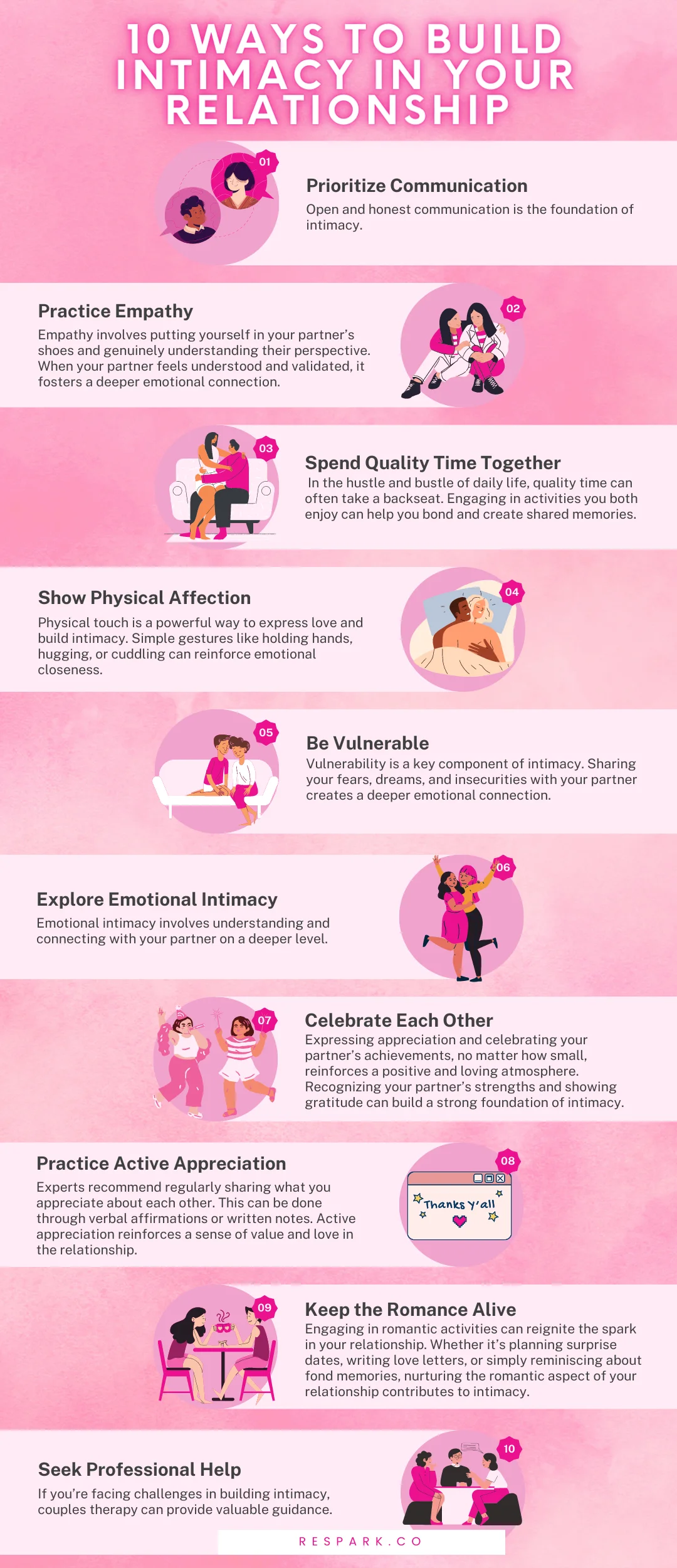
To overcome this, couples need to recognize stress triggers and consciously create moments to decompress together. Simple practices such as mindful breathing exercises, scheduled check-ins, or shared relaxation activities can mitigate the negative impact of stress on emotional connection.
Dealing with Misunderstandings
Misunderstandings are natural in any relationship but can quickly erode intimacy if left unresolved. The problem is that many partners avoid addressing conflicts out of fear or discomfort, leading to resentment and emotional withdrawal.
The solution is to approach misunderstandings openly and with curiosity rather than blame. Encouraging honest dialogue, active listening, and empathy allows couples to clear up confusion and rebuild trust promptly. Learning to navigate disagreements constructively is key to preserving emotional intimacy.
Integrating Mindfulness and Emotional Awareness
Practicing Mindful Presence Together
One cause of emotional disconnect is the lack of presence in shared moments. Even when physically together, partners may be mentally elsewhere, distracted by past regrets or future worries. This disconnection reduces emotional attunement and intimacy.
Mindfulness practices, such as focusing on the here and now during interactions, help couples develop deeper emotional presence. Engaging in shared mindfulness exercises or simply pausing to breathe and connect can increase mutual emotional sensitivity and understanding.
Recognizing and Validating Emotions
Many relationships suffer when one or both partners feel their emotions are dismissed or minimized. Without validation, feelings can fester, building emotional walls between partners.
Building emotional intimacy requires recognizing your partner’s emotional experiences and validating them, even if you don’t fully agree. Statements like “I understand that you’re feeling upset” convey empathy and create a safe emotional environment conducive to deeper connection.
Conclusion: Building a Lasting Emotional Connection
Maintaining emotional intimacy with your partner is an ongoing process that demands conscious effort and daily practices. By understanding its vital role and recognizing common barriers, couples can adopt effective habits like active listening, quality time, and mindful presence to strengthen their bond.
Emotional closeness is not just about avoiding problems but about creating a resilient, supportive, and loving partnership. With patience and intentionality, couples can cultivate a deep connection that endures life’s challenges and enriches their shared journey.