The Importance of Transparency in Relationships
Defining Relationship Transparency
Transparency in relationships goes beyond just honesty—it’s about openly sharing your thoughts, feelings, and concerns in a way that fosters mutual understanding. When partners are transparent, they allow each other to see their true selves without fear of judgment or misunderstanding. This openness forms the foundation of a strong, healthy connection where both individuals feel safe and valued.
The Role of Communication in Building Trust
Trust doesn’t appear overnight. It’s built through consistent, clear communication that reassures both partners. Talking regularly about everything from daily stressors to deeper emotions creates a steady rhythm of connection. This rhythm helps partners anticipate each other’s needs and respond thoughtfully, reducing anxieties and strengthening the bond. In essence, communication is the lifeline that keeps transparency alive and thriving within any relationship.
What Are Weekly Check-Ins?
Format and Frequency Explained
Weekly check-ins are dedicated moments set aside by couples to touch base with each other. They’re typically brief yet meaningful conversations that happen once a week. The goal is to create a predictable, safe space where both partners can reflect on how they’re feeling, address any concerns, and celebrate positive moments together. This regularity transforms what might be sporadic, accidental talks into intentional dialogue that nurtures the relationship.
Examples of Effective Check-In Questions
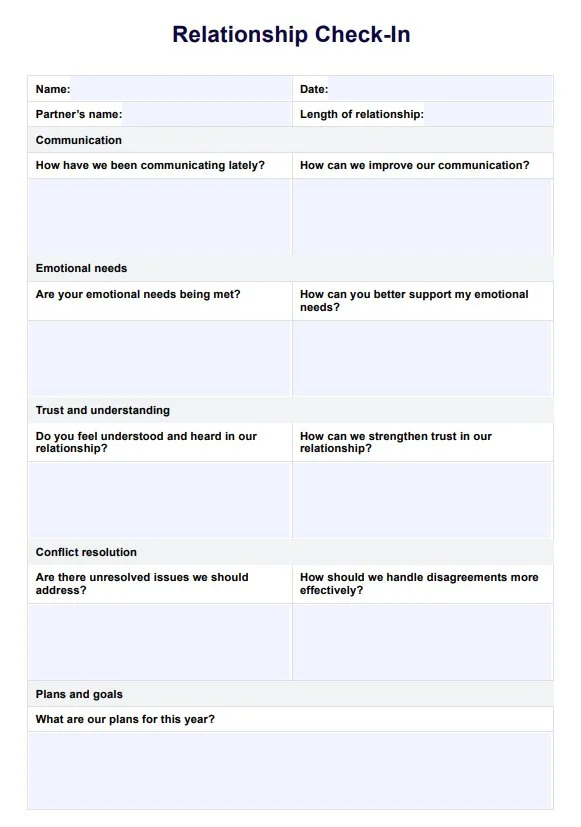
To guide these conversations, couples often use thoughtful questions that invite openness. For instance, asking “What’s been on your mind this week?” or “Is there something you need more of from me?” encourages honesty without pressure. Questions that explore emotions, recent challenges, or shared goals help partners stay aligned. These prompts act as gentle invitations to share and connect, making the check-ins both comfortable and meaningful.
Key Benefits of Scheduling Weekly Check-Ins
Enhancing Emotional Openness
When conversations happen regularly, it becomes easier to express feelings honestly. Weekly check-ins remove the hesitation that can build up when emotions are bottled inside. Over time, partners learn to open up more naturally, creating a deeper emotional intimacy. This openness not only enhances empathy but also ensures that issues are addressed before they fester in silence.
Preventing Misunderstandings Before They Escalate
A misunderstanding left unspoken can quickly grow into resentment. Weekly check-ins act as a preventative measure by giving couples the chance to clarify doubts and share concerns early on. When issues are brought to light promptly, both partners can work together to find solutions, preventing small irritations from turning into major conflicts.
Building a Habit of Consistent Communication
Relationships thrive on routine and habits, and weekly check-ins cultivate a regular communication practice. This habit creates a dependable structure that partners can rely on, reducing the unpredictability that sometimes causes anxiety. Over time, speaking openly becomes second nature, reinforcing the relationship’s foundation and helping partners stay emotionally in tune.
How to Implement Successful Weekly Check-Ins
Choosing the Right Time and Setting
Picking an optimal time for your check-ins is crucial. Ideally, choose a moment free from distractions, when both partners are relaxed and willing to engage. It might be during a quiet evening after dinner or a Sunday afternoon when work stress has subsided. The setting also matters—a cozy, comfortable space encourages openness and reduces defensive feelings.
Keeping Conversations Respectful and Constructive
Even with the best intentions, conversations can sometimes veer into criticism or blame. To maintain a positive tone, approach each check-in with empathy and curiosity rather than judgment. Focus on “I” statements that express your feelings instead of accusing language. Remember, the goal is to build understanding, not prove who’s right or wrong.
Using Technology to Support Regular Check-Ins
In today’s busy world, technology can be a helpful ally for maintaining consistency. Setting calendar reminders or shared events on your phone can keep you both accountable. Video calls work well for long-distance partners wanting that face-to-face connection, and even messaging apps offer opportunities for brief but meaningful check-ins. The key is to use tools that complement your lifestyle without making conversations feel forced.
Overcoming Common Challenges in Check-Ins
Dealing with Resistance or Discomfort
Not everyone finds regular emotional check-ins easy at first. Some may feel vulnerable or worry about saying the “wrong” thing. It’s normal to experience discomfort early on. Patience is essential—acknowledge these feelings openly and allow yourself and your partner to ease into the rhythm gradually. Sometimes starting with light, positive topics before delving deeper can build comfort over time.
Adjusting Frequency and Format to Fit Your Relationship
Weekly check-ins aren’t a one-size-fits-all solution. Some couples may find a weekly schedule perfect, while others may prefer biweekly or even daily brief conversations. The format can also vary—some might enjoy sitting down for 30 minutes, others may opt for shorter, more frequent talks. The important part is finding what feels natural and sustainable, adapting as your relationship grows.
Measuring the Impact of Weekly Check-Ins on Relationship Health
Signs of Increased Transparency and Trust
When weekly check-ins work well, couples often notice a greater sense of ease in sharing their thoughts throughout the week. You might find yourself more willing to discuss difficult topics or express vulnerability without fear. Trust deepens as both partners feel heard and supported consistently, and the overall tone of your relationship becomes more positive and connected.
Long-Term Benefits for Emotional Intimacy
Beyond the immediate improvements, regular check-ins lay the groundwork for lasting emotional intimacy. They help partners navigate life’s changes together with a stronger sense of partnership. Over time, the habit of open, honest dialogue makes your relationship more resilient, capable of withstanding stress and celebrating joy in greater harmony.