Understanding the Importance of Evening Routines in Trust Rebuilding
After a conflict, rebuilding trust can feel like a long and winding road. One of the most effective but often overlooked ways to foster healing is through simple evening routines. These routines serve as daily anchors, bringing a sense of stability and reconnection to couples working through difficult times. Establishing a peaceful and predictable way to end the day together can set the tone for improved communication and deeper understanding.
The Role of Consistency in Healing Relationships
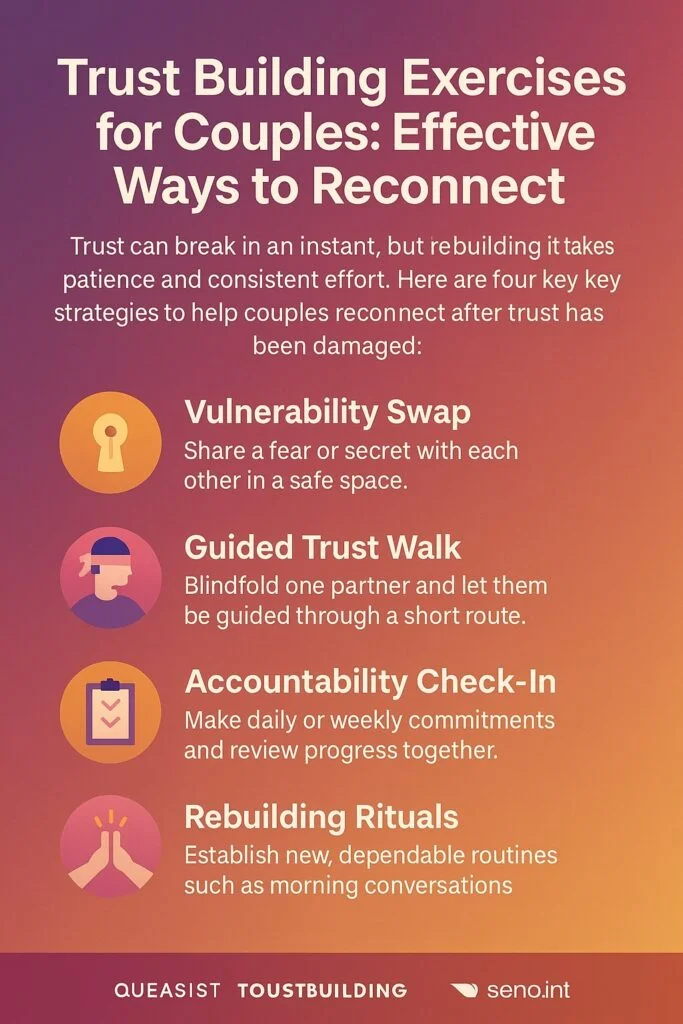
Consistency matters because trust is rebuilt through repeated, positive experiences over time. When couples commit to an evening routine, it becomes a reliable touchpoint in their day, reminding them that they are still partners who value each other’s presence. This repeated interaction, no matter how small, helps to create a foundation of security, which is essential for moving past hurt.
Emotional Safety and Its Connection to Nightly Practices
Emotional safety is the heart of any relationship repair. Evening routines promote this safety by providing a calm environment where both partners can express themselves without fear of judgment or escalation. It’s in these quiet moments that vulnerability becomes more comfortable, allowing wounds to start healing and trust to be nurtured gently.
Core Components of Effective Evening Routines for Couples
Not every routine is created equal. The most effective ones tend to include elements that encourage communication, relaxation, and reflection. These components work together to remind couples of the care and respect still present beneath any conflict.
Open Communication Exercises
Evening conversations need not be intense or overly structured, but they should be honest and intentional. Simple exercises like sharing one thing that went well during the day or expressing a feeling can reopen lines of communication and rebuild connection. This practice helps partners understand each other’s emotional landscapes and fosters empathy.
Shared Relaxation Techniques to Foster Connection
Relaxation activities such as breathing exercises, gentle stretches, or listening to calming music together can help reduce tension and anchor the couple in a shared peaceful state. These moments of calm make it easier to let go of daily stress and approach each other with warmth rather than defensiveness.
Reflection and Gratitude Practices
Taking a moment to reflect on positive experiences or express gratitude for each other—even if small—can shift the focus from past conflicts to the present bond. This habit reinforces appreciation and reminds couples why they want to rebuild their relationship in the first place.
Step-by-Step Guide to Creating Your Personalized Evening Routine
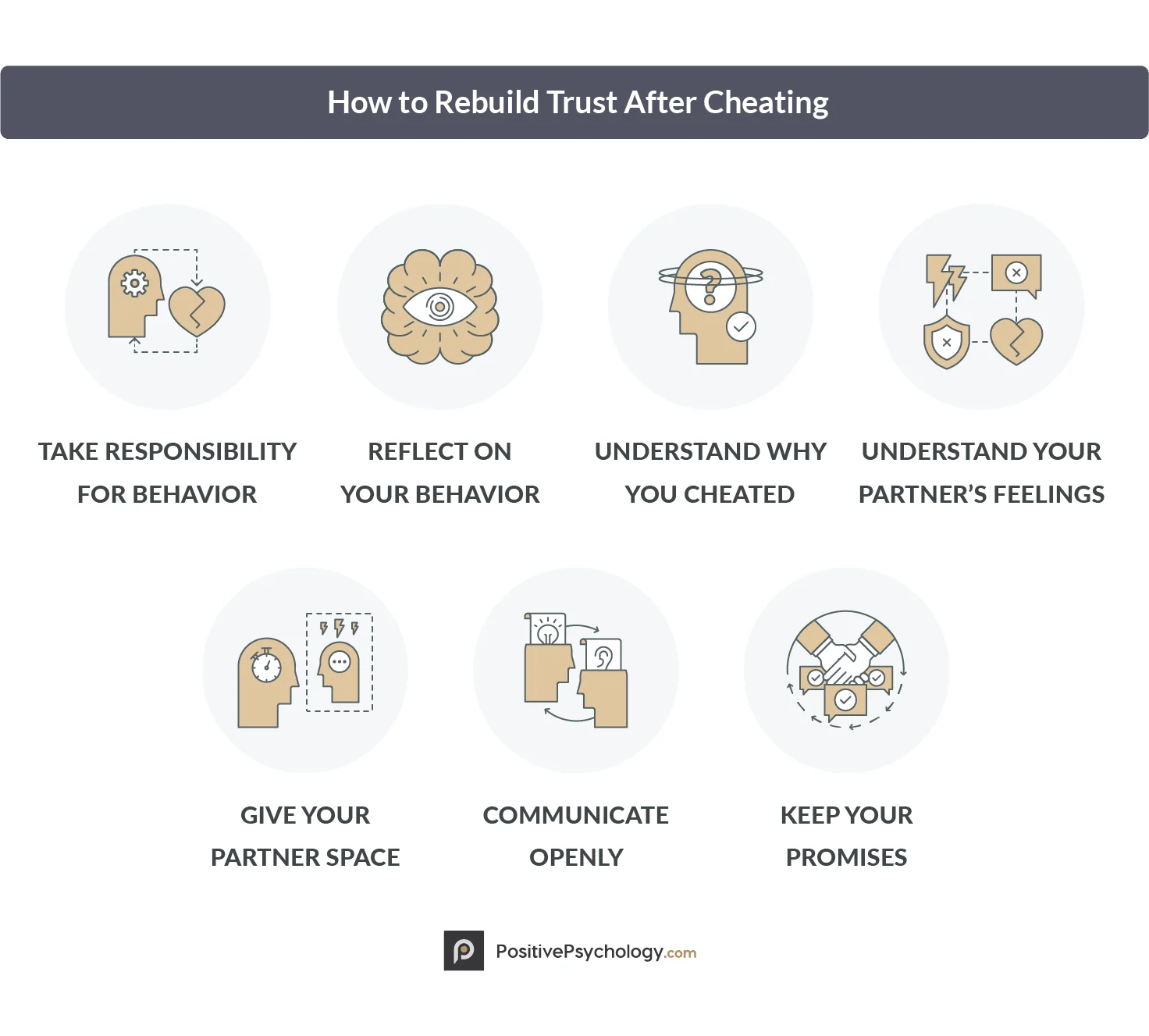
Personalizing an evening routine ensures it feels natural and manageable for both partners. Here’s how to start crafting one that truly supports trust rebuilding.
Assessing Needs and Comfort Levels
Begin by openly discussing what each partner needs to feel safe and connected. This could range from needing quiet time, having a specific activity, or simply holding hands. Understanding these needs is crucial because the routine should never add pressure or discomfort.
Setting Realistic Goals and Boundaries
It’s important to set achievable goals to avoid frustration. For instance, dedicating just 10 minutes each evening can be a good starting point. Establish boundaries too—such as agreeing to avoid conflicts during this time, focusing only on healing and positive interaction.
Incorporating Trust-Building Activities Gradually
Rather than overwhelming yourselves with a long list of activities, introduce one or two techniques slowly. This gradual approach allows trust to rebuild steadily and reduces the chance of resistance or burnout.
Examples of Simple Evening Routine Activities
Sometimes, all it takes are simple moments shared mindfully to make a difference.
Mindful Breathing and Meditation for Two
Sitting close and practicing mindful breathing together can ground both partners. Focusing on the breath brings attention away from past worries and centers the couple in the present moment, creating a quiet space for healing.
Journaling and Sharing Thoughts Together
Writing down thoughts or feelings separately and then sharing them can be a powerful way to open up. This practice allows partners to express emotions without interruption and can be less intimidating than face-to-face dialogue initially.
Unplugging from Devices to Encourage Presence
In today’s digital age, putting phones and screens away during these moments is essential. This simple act signals prioritizing each other and cultivating undistracted connection, which is critical when rebuilding trust.
Tips for Maintaining Consistency and Adaptability
Even the best routines face challenges, especially when emotions run high. Navigating these moments with patience and flexibility strengthens the overall effort.
Dealing with Setbacks and Emotional Triggers
Setbacks are normal. When a conflict stirs old wounds during the evening routine, it’s important not to give up. Acknowledge the feelings, take a pause if needed, and gently return to the routine when ready. This persistence models resilience and commitment to the relationship.
Adjusting the Routine to Fit Changing Circumstances
Life changes, as do individual needs. Regularly check in with each other about how the routine is working and be open to tweaks. Flexibility keeps the practice relevant and ensures both partners continue to feel comfortable and supported.