Introduction to Self-Care Sundays
Setting aside dedicated time for self-care is increasingly recognized as essential for maintaining emotional and mental well-being. Among various approaches, Self-Care Sundays have become a popular tradition where individuals focus on replenishing their energy and nurturing their emotional health before a new week begins. This practice transcends mere relaxation; it’s about intentionally crafting a time to reconnect with oneself, reset priorities, and build resilience against life’s challenges.

The Importance of Emotional Resilience
Emotional resilience refers to the ability to adapt and recover from stress, adversity, or trauma. Cultivating resilience is crucial because it helps individuals maintain a balanced outlook, manage stress effectively, and face setbacks without becoming overwhelmed. Self-care routines, especially when practiced regularly, serve as a foundation for strengthening emotional resilience by providing safe moments for reflection and healing.
Why Personalization Matters
Not every self-care practice suits everyone equally. Personalization ensures that your Self-Care Sunday routine aligns with your unique emotional needs, preferences, and lifestyle. A customized routine is more engaging and sustainable over time, fostering genuine emotional nourishment rather than feeling like a chore. This personalized approach enhances the effectiveness of your self-care rituals and supports long-term mental wellness.
Step 1: Assess Your Current Emotional and Mental State
Before crafting an effective Self-Care Sunday practice, it’s important to understand where you stand emotionally and mentally. This assessment allows you to target areas needing the most care and create a routine that addresses those needs thoughtfully.
Reflective Journaling Techniques
Journaling is a powerful tool to explore your feelings and thoughts. Start by setting aside a quiet moment to write freely about your recent experiences, emotions, and any recurring thoughts. This practice helps uncover patterns, clarify your emotional state, and pinpoint specific areas causing stress. Using prompts like “What emotions stood out this week?” or “What made me feel energized or drained?” can guide your reflection.
Identifying Stress Triggers
Recognizing what triggers your stress is key to addressing it effectively. Review your journal insights to spot recurring events, environments, or interactions that elicit strong emotional responses. Understanding these triggers allows you to consciously plan activities that counteract stress or build coping mechanisms tailored to your challenges.
Step 2: Choose Activities That Nourish Your Mind and Body
With a clearer comprehension of your emotional landscape, you can now select specific activities designed to replenish and uplift your mind and body.
Mindfulness and Meditation Practices
Incorporating mindfulness or meditation can cultivate present-moment awareness and reduce anxiety. Start with simple breathing exercises or guided meditation sessions lasting 5 to 10 minutes. These practices train your mind to stay calm and centered, encouraging clearer thinking and emotional regulation throughout the week.
Physical Movement Tailored to You
Physical activity is a well-established mood booster, but it’s important to select forms of exercise that feel enjoyable and accessible rather than obligatory. Whether it’s gentle yoga, a leisurely walk in nature, or a dance session in your living room, moving your body helps release tension and generates positive energy that supports resilience.
Creative Outlets for Emotional Expression
Engaging in creative activities like painting, writing poetry, or playing a musical instrument offers a unique way to process complex emotions. These outlets can be therapeutic and deeply satisfying, allowing you to express feelings that may be difficult to articulate verbally.
Step 3: Structuring Your Self-Care Sunday
Designing an intentional flow for your Self-Care Sunday maximizes its benefits by balancing rejuvenation with meaningful activity.
Balancing Rest and Productivity
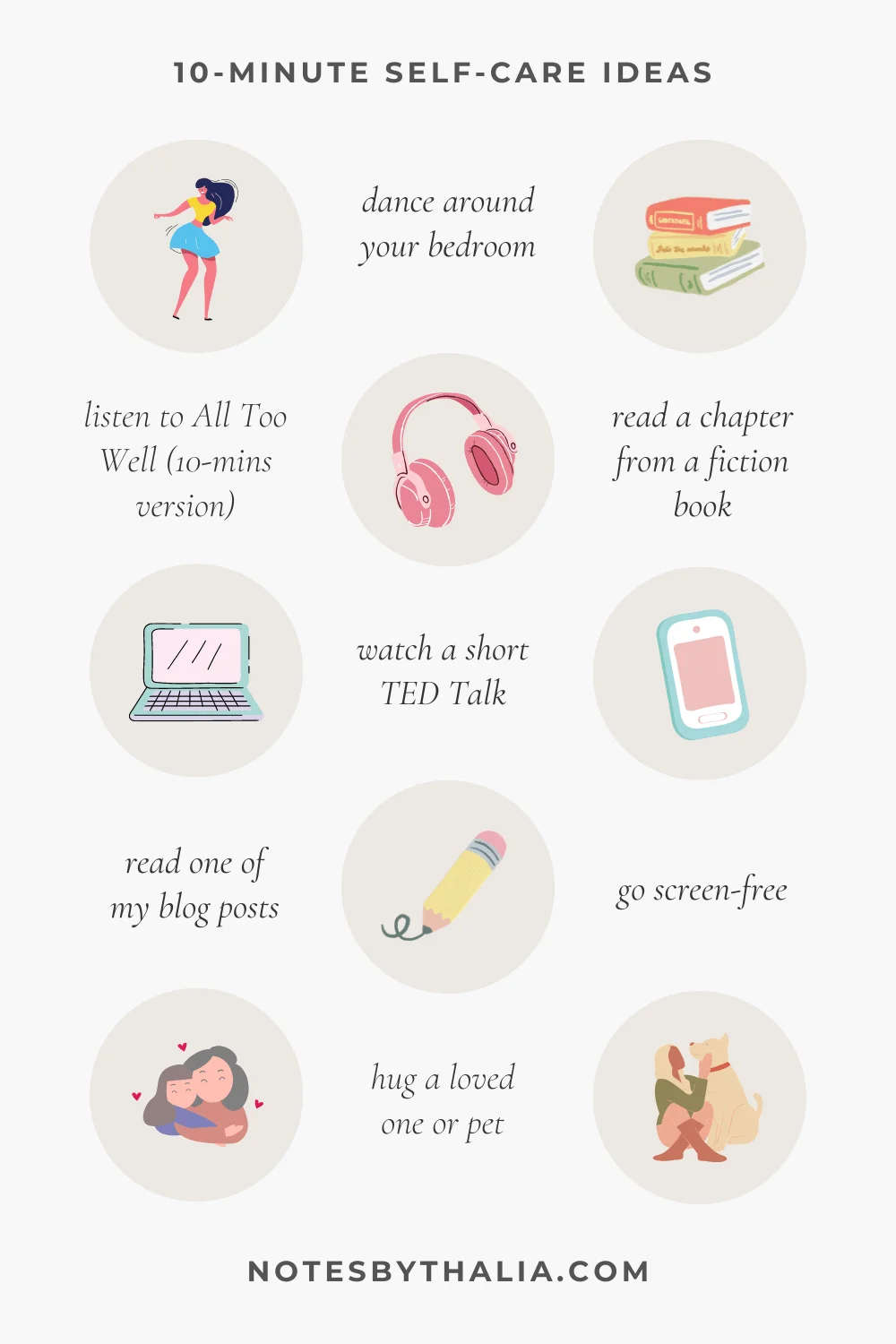
A successful routine blends periods of rest with moments of gentle productivity related to your well-being. For instance, begin your day with light meditation to calm your mind, then spend time on a creative project or light physical movement, and conclude with relaxation techniques like reading or enjoying a calming bath. This balance prevents feelings of guilt associated with unstructured downtime while ensuring time to recharge.
Creating a Routine That Fits Your Lifestyle
Flexibility is vital. Your Self-Care Sunday routine should accommodate your unique weekly schedule, energy levels, and responsibilities. Instead of rigidly scheduling every hour, focus on setting a few key practices that you can adapt each week. This approach helps the routine remain enjoyable and manageable rather than burdensome.
Building Consistency for Long-Term Benefits
Routine consistency is the cornerstone of cultivating sustained emotional resilience. Without repeated practice, even the best-designed self-care strategies may lose their effectiveness.
Tracking Progress and Adjusting Your Routine
Maintaining a simple log or journal of how your routine affects your mood and stress can provide valuable feedback. Reflecting on what feels invigorating or draining allows you to fine-tune activities, timing, and intensity for ongoing improvement. Remember, your emotional needs may evolve, so periodic reassessment ensures your routine stays relevant.
Incorporating Community and Support Systems
While self-care is often solitary, connecting with others who understand or share your goals can enhance motivation and emotional support. This might include joining an online mindfulness group, attending a regular yoga class, or simply scheduling a weekly phone call with a close friend. Community elements add accountability and deepen your sense of belonging which further builds resilience.
Conclusion: Embracing Growth Through Personalized Self-Care
Designing a personalized Self-Care Sunday routine is a meaningful step toward nurturing your emotional resilience. By thoughtfully assessing your needs, selecting nourishing activities, structuring your day, and committing to consistency, you set yourself up for long-term mental and emotional wellness. Remember, the journey is ongoing—embracing flexibility and self-compassion along the way transforms self-care from a task into a powerful act of self-love and growth.