Why Daily Journaling Matters for Stress Relief and Mental Clarity
The Science Behind Journaling and Stress Reduction
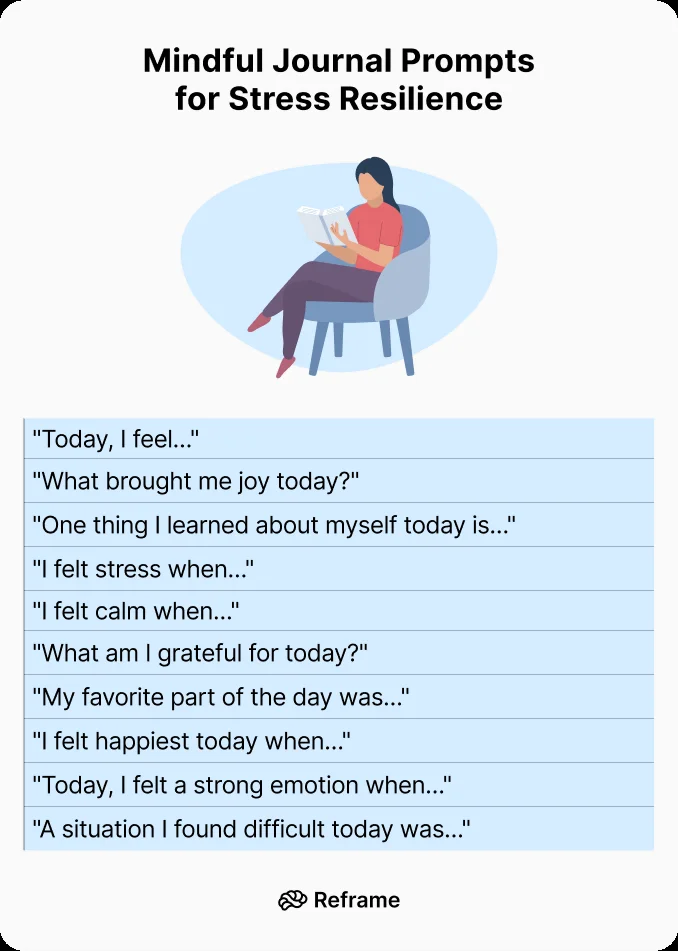
Feeling overwhelmed and anxious can make daily life challenging, especially when stress accumulates unnoticed. One common struggle is managing these emotions before they escalate. The root cause often lies in an overload of thoughts and feelings held inside without a clear outlet. Journaling offers a simple, accessible solution. Scientific studies suggest that writing about thoughts and emotions helps organize the mind, reducing the intensity of stress. By externalizing worries on paper, individuals can process feelings more objectively, leading to clearer mental states.
How Journaling Enhances Focus and Productivity
Many people find that distractions and scattered thoughts hinder concentration, making it difficult to complete tasks efficiently. This scattered focus originates from an unsettled mental environment, where urgent concerns compete for attention. Journaling can help by allowing the brain to offload clutter, prioritize thoughts, and clarify intentions. This mental decluttering creates room for sustained focus, improving productivity throughout the day. Thus, journaling supports not only emotional well-being but also cognitive performance.
Getting Started: Essential Tips for Simple and Effective Journaling
Choosing the Right Journaling Tools
Starting a journaling habit can be intimidating when faced with numerous choices. Some may struggle with selecting an appropriate notebook or digital app, which can cause delays or frustration. This confusion often stems from a misconception that journaling requires elaborate tools. In reality, simplicity works best. A basic notebook and pen or a straightforward app designed for quick entries allow for an effortless start. Comfort and accessibility matter more than any specific brand or format.
Establishing a Consistent Journaling Routine
Another common obstacle is inconsistency. Many begin journaling enthusiastically but struggle to maintain the habit, often due to busy schedules or unclear routines. The underlying issue is a lack of intentional placement of journaling within the day. Creating a specific time slot—whether in the morning upon waking or at night before bed—can transform journaling from a task into a welcomed ritual. Setting small daily goals, such as writing for five minutes, makes the practice sustainable without overwhelming.
30 Simple Daily Prompts to Alleviate Stress
Prompts for Morning Reflection
Mornings set the tone for the entire day and can be a prime moment to reduce stress proactively. Many people wake up with a flood of unresolved concerns that unsettle their mood early on. Starting the day with targeted reflections helps pinpoint worries and establish calm priorities. Examples include asking oneself, “What can I control today?” or “What is one positive intention I want to set?” These questions encourage a mindful and peaceful mindset that carries through daily challenges.
Evening Wind-Down Prompts
Evenings often bring residual stress from the day’s events, making it hard to relax or sleep. This leftover tension arises because people seldom take time to process their experiences fully. Evening journaling prompts aimed at closure, such as “What went well today?” or “What lessons did I learn?” assist in releasing mental burdens. Reflecting in this way promotes emotional restoration, helping the mind transition into restful states and preventing stress buildup for the next day.
Boost Your Focus: Journaling Prompts Designed to Sharpen Attention
Mindfulness and Gratitude-Based Prompts

Loss of focus often comes from dwelling on distractions or negative thoughts. Mindfulness-based journaling can redirect attention to the present moment, grounding awareness. Prompts like “What am I grateful for right now?” or “Describe a moment today when I felt fully present” cultivate appreciation and calmness. By regularly practicing gratitude and mindfulness through writing, the brain becomes trained to prioritize important stimuli, leading to better concentration.
Goal-Oriented and Planning Prompts
Without clear goals, it is easy for attention to drift throughout the day. People frequently feel overwhelmed by big projects or unclear priorities. Goal-oriented journaling offers a practical tool to sharpen focus by defining actionable steps and tracking progress. Prompts such as “What is my main focus today?” or “Which task will bring me closer to my goals?” channel mental energy effectively. Writing down plans transforms vague ambitions into tangible objectives, encouraging disciplined attention.
Creative Variations to Keep Your Journaling Practice Engaging
Visual Journaling and Drawing Prompts
Monotonous journaling can quickly become uninspiring, leading to discontinuation. The problem is often a lack of variety that keeps the process stimulating. Incorporating visual elements, like sketches or diagrams, engages different parts of the brain and adds creative flair. Drawing prompts such as “Sketch your current mood” or “Visualize a peaceful place” provide fresh ways to express emotions and thoughts. This diversity in expression helps maintain enthusiasm and deepens the reflective experience.
Using Affirmations and Positive Self-Talk Prompts
Negative self-talk is a common barrier to mental clarity and emotional balance. Its presence undermines confidence and increases stress. Writing positive affirmations encourages a constructive inner dialogue. Prompts might include “Write three strengths I have today” or “Describe how I am growing as a person.” Regular affirmation journaling nurtures self-compassion and resilience, creating a supportive internal environment that sustains focus and calmness.
Measuring Progress: How to Track Changes in Stress and Focus Over Time
Reflective Prompts for Weekly and Monthly Reviews
Journaling’s benefits often accumulate gradually, but without reflection, progress can seem unclear or stalled. Many give up prematurely due to a lack of visible improvement. Incorporating periodic review prompts, such as “What stressors have lessened this week?” or “How has my focus improved this month?” can reveal subtle developments. These reflections provide motivation and guidance, highlighting what strategies work and where adjustments might be needed.
Adjusting Prompts to Your Evolving Needs
As stress levels and focus priorities shift, static journaling prompts can become less relevant or effective. The issue is failing to adapt journaling content to current circumstances, leading to disengagement. Regularly updating prompts to reflect evolving goals, challenges, or emotional states keeps the practice aligned with personal growth. Tailoring questions to fit changing needs ensures continued relevance, making journaling a dynamic tool rather than a rigid task.