Understanding Stress and the Power of Breathing at Work
What Happens to Your Body When You’re Stressed?
Stress at work often manifests as a rapid heartbeat, tense muscles, and shallow breathing. These reactions stem from your body’s natural fight-or-flight response, which triggers the release of stress hormones. When this response is activated frequently during a busy workday, it can lead to chronic tension and diminished concentration, making it harder to stay productive and calm.
How Breathing Techniques Influence Your Nervous System
Breathing techniques offer a way to counteract this stress response by directly impacting the autonomic nervous system. Slow, deliberate breathing signals your brain to activate the parasympathetic nervous system, which promotes relaxation and reduces heart rate. This shift helps calm anxious feelings, lowers blood pressure, and improves mental clarity, making breathing exercises a powerful tool to regain control during stressful moments at work.
Quick Breathing Techniques You Can Do at Your Desk
4-7-8 Breathing: A Simple Method to Calm Anxiety
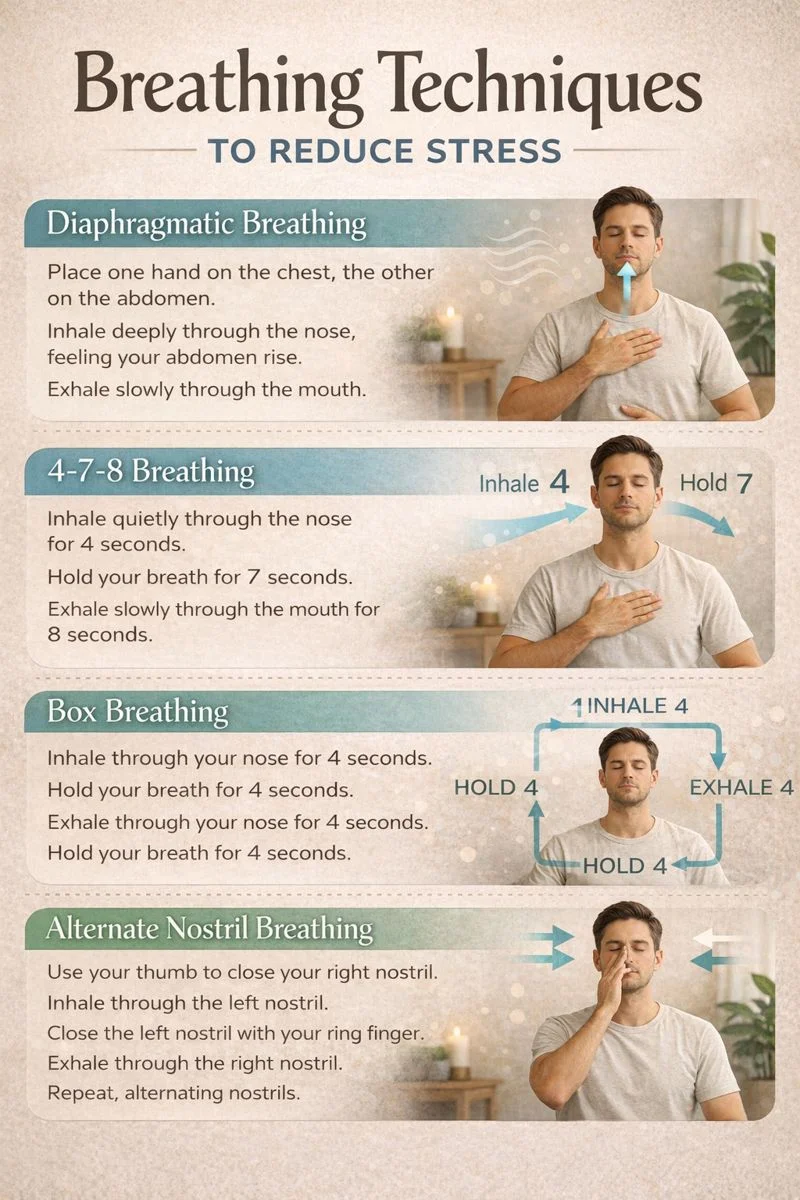
The challenge with stress at work is that it can escalate quickly, leaving little time for relief. The 4-7-8 breathing technique provides a straightforward method to calm anxiety almost instantly. By inhaling quietly for four seconds, holding the breath for seven seconds, and exhaling completely for eight seconds, this practice slows your breathing rhythm. This deliberate pacing encourages relaxation, helping you regain composure even in hectic office environments.
Box Breathing: Balancing Focus and Relaxation
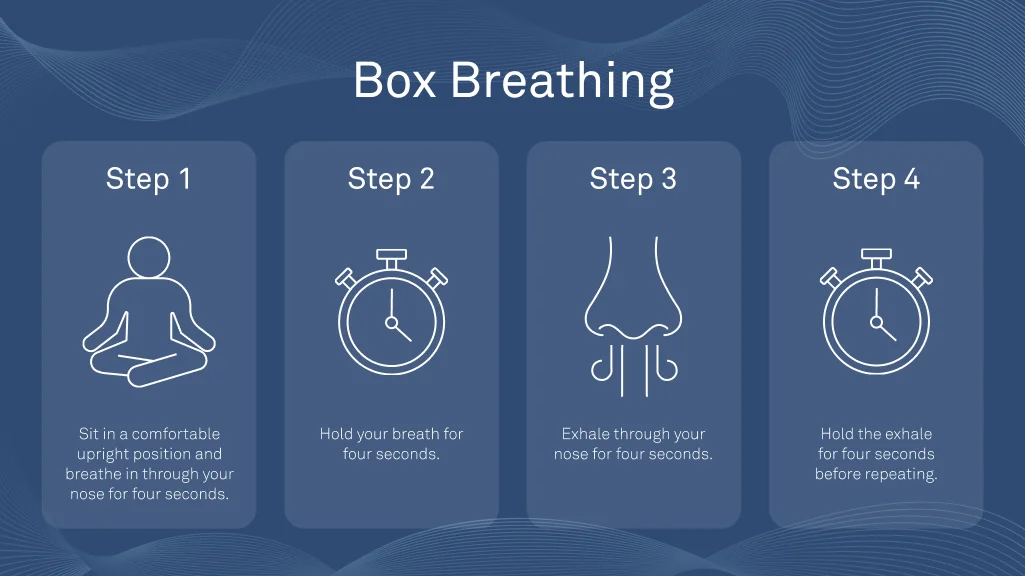
When stress clouds your focus, box breathing helps to bring balance. This technique involves inhaling, holding your breath, exhaling, and pausing again—all for equal counts, such as four seconds each. The rhythm creates a steady cycle that not only calms the nervous system but also sharpens your attention. It can be particularly helpful before important meetings or tasks requiring heightened concentration.
Alternate Nostril Breathing for Immediate Calm
Alternate nostril breathing might feel unfamiliar, but it’s effective for generating immediate calm. By breathing through one nostril at a time, you engage both sides of the brain and create harmony in your breathing patterns. This method reduces tension quickly by encouraging a more even oxygen exchange and resetting the body’s stress response. It’s discreet enough to perform at your desk without disturbing your work environment.
Step-by-Step Routine to Implement Breathing for Stress Relief
Preparing Your Workspace for a Breathing Break
A cluttered or noisy workspace can hinder your ability to relax. Before starting your breathing routine, take a moment to create a small area free from distractions. This might mean turning off unnecessary notifications, closing your eyes if possible, or simply sitting upright in your chair with your feet flat on the floor. These small adjustments set the stage for a more effective breathing session.
Executing Each Breathing Technique — Detailed Instructions
To practice the 4-7-8 method, inhale softly through your nose for four seconds, hold for seven, then release the breath slowly through your mouth for eight seconds. For box breathing, start by inhaling through your nose for four seconds, hold your breath for four seconds, exhale through your mouth for four seconds, and again hold for four seconds before repeating. Alternate nostril breathing requires you to close one nostril with your finger, inhale through the other, switch sides during the exhale, and continue alternating. Each step should be performed slowly and mindfully to maximize relief.
Incorporating Mini Breathing Sessions Into Your Workday
One barrier to stress relief is finding time amid a packed schedule. Mini breathing sessions, lasting just a few minutes, can fit smoothly into breaks, transitions between projects, or even while waiting in meetings. Making these short moments a regular part of your routine helps to prevent stress from building up and keeps your focus refreshed throughout the day.
Why Consistency is Key: Making Breathing Techniques a Habit at Work
Tracking Your Stress Levels Over Time
The benefits of breathing exercises increase with regular practice, but it can be difficult to notice progress without tracking. Paying attention to your stress levels before and after breathing sessions can highlight their calming effects. Consider noting moments of tension during your workday and applying breathing techniques at those points. Over time, this habit can create a noticeable reduction in overall stress.
Tips for Reminders and Staying Motivated
It’s easy to forget to breathe intentionally when workload pressures mount. Setting gentle reminders on your phone or computer can prompt you to pause and practice. Additionally, associating breathing sessions with daily activities, like before lunch or after finishing a task, helps build consistent habits. Motivation grows as you experience increased calm and alertness as a result of your efforts.
Additional Tools and Resources to Enhance Your Breathing Practice
Apps and Gadgets to Guide Your Breathing Exercises
Technology can support your practice by offering guided breathing sessions and tracking improvements. Apps designed for mindfulness and stress reduction often include visual cues, timers, and progress dashboards. Wearable devices with biofeedback features can alert you to rising stress levels, encouraging timely breathing breaks. These tools can simplify the learning process and keep you accountable.
Recommended Videos and Audio Guides for Beginners
For those new to breathing techniques, video and audio guides provide clear demonstrations and soothing instructions. Many online platforms offer free resources that range from brief sessions to more immersive practices. This guidance helps ensure correct technique, making your breathing exercises more effective and enjoyable.