Understanding the Benefits of Scalp Massage for Hair Growth
How Scalp Massage Affects Hair Follicles
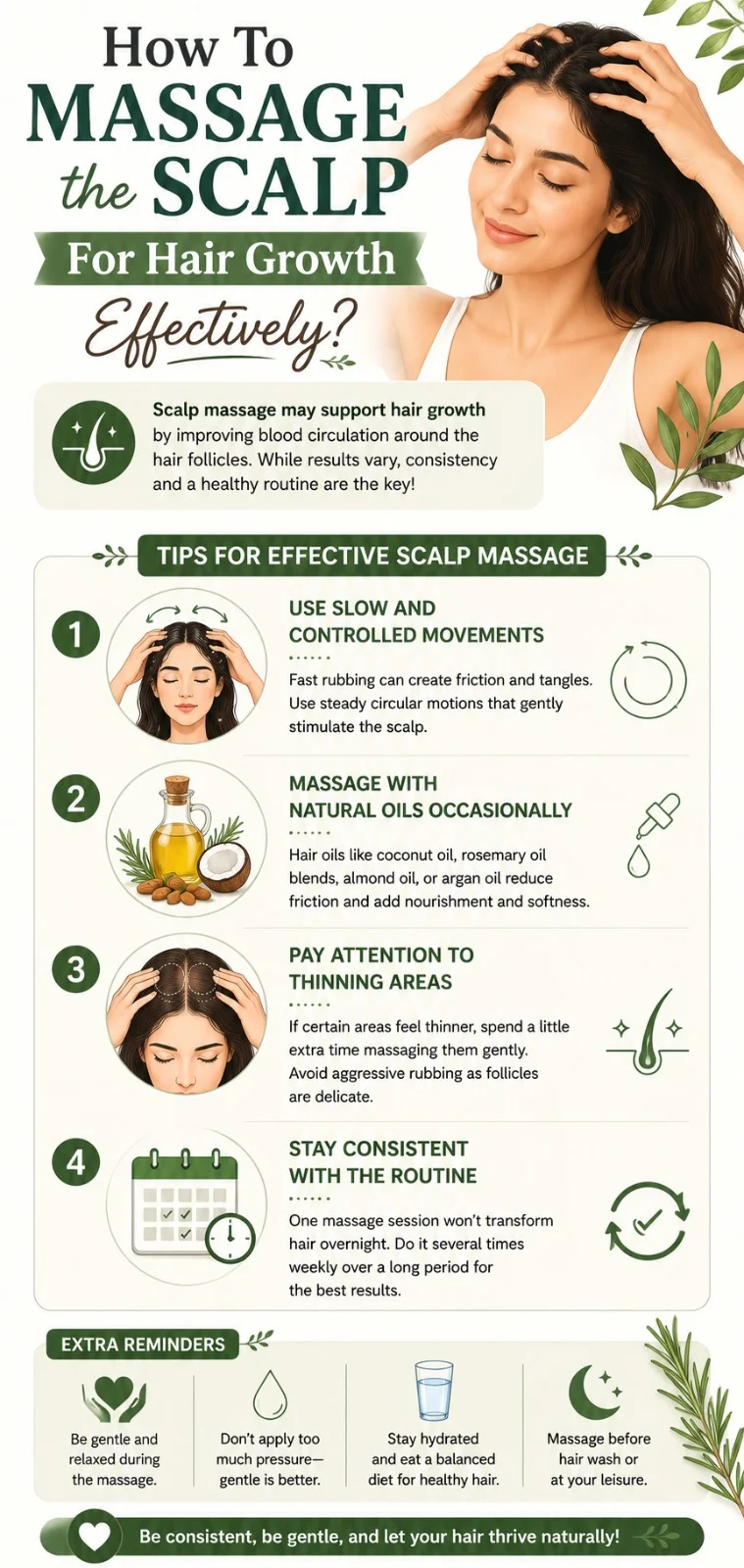
Many women struggle with thinning hair or slow hair growth, often feeling frustrated by the lack of effective at-home solutions. One common problem is the poor circulation around the scalp, which can reduce the delivery of essential nutrients to hair follicles. Without proper nourishment, hair follicles weaken, leading to slower growth or even hair loss. Scalp massage directly targets this issue by increasing blood flow to the scalp, delivering oxygen and nutrients necessary for healthy hair follicles to thrive.
The Science Behind Hair Stimulation
Scientific studies have shown that scalp stimulation can promote hair growth by activating the hair follicles and extending the anagen (growth) phase of the hair cycle. When the scalp is massaged regularly, it can encourage cellular activity and reduce tension in the scalp’s muscles, which may contribute to a healthier environment for hair growth. This process helps to invigorate dormant follicles, potentially increasing hair density and thickness over time.
Why Scalp Massage is Essential for Women
Women often experience hair thinning due to hormonal changes, stress, or aging, which makes scalp massage an accessible and natural remedy worth incorporating into their routine. Unlike chemical treatments or expensive salon procedures, scalp massage can be performed easily at home, offering a non-invasive solution that supports scalp health. For women balancing busy lifestyles, this simple practice can invigorate hair growth while providing a moment of relaxation and self-care.
Top 5 Scalp Massage Techniques to Try at Home
Finger Circular Motions for Increased Blood Flow
A fundamental yet effective technique involves using your fingertips to make gentle circular motions across the scalp. Many women overlook how crucial this simple action is, often pressing too hard or massaging irregularly. The goal is to apply gentle, consistent pressure to stimulate circulation without causing discomfort. This technique helps promote nutrient-rich blood flow to the follicles, encouraging hair growth from the root.
Using Essential Oils with Deep Knuckle Massage
Incorporating essential oils like rosemary, peppermint, or lavender can enhance the benefits of scalp massage. These oils are known for their stimulating and soothing properties, but improper application can cause irritation or greasiness. A deep knuckle massage combined with diluted essential oils ensures a thorough, invigorating treatment that penetrates the scalp effectively. This method not only boosts circulation but also nourishes the scalp skin to prevent dryness and flakiness.
Knuckle and Fingertip Combination Massage
Some women struggle to find a balance between pressure and comfort during scalp massage. Using both knuckles for deeper pressure and fingertips for finer, more precise stimulation addresses this problem. This combination technique targets the scalp muscles and hair roots simultaneously, enhancing relaxation while promoting follicle activation. Practicing this method regularly can help improve scalp elasticity and reduce tightness, which often hinders healthy hair growth.
Acupressure Points for Hair Growth Stimulation
Many are unaware of the power of acupressure points on the scalp linked to hair health. Applying gentle pressure to specific areas like the temples, crown, and base of the skull can activate nerve endings that influence hair follicles and hormonal balance. However, without guidance, it’s easy to miss these points or apply uneven pressure. Learning these precise locations and how to stimulate them properly can significantly boost the effectiveness of scalp massage routines.
Using a Scalp Massage Brush Effectively
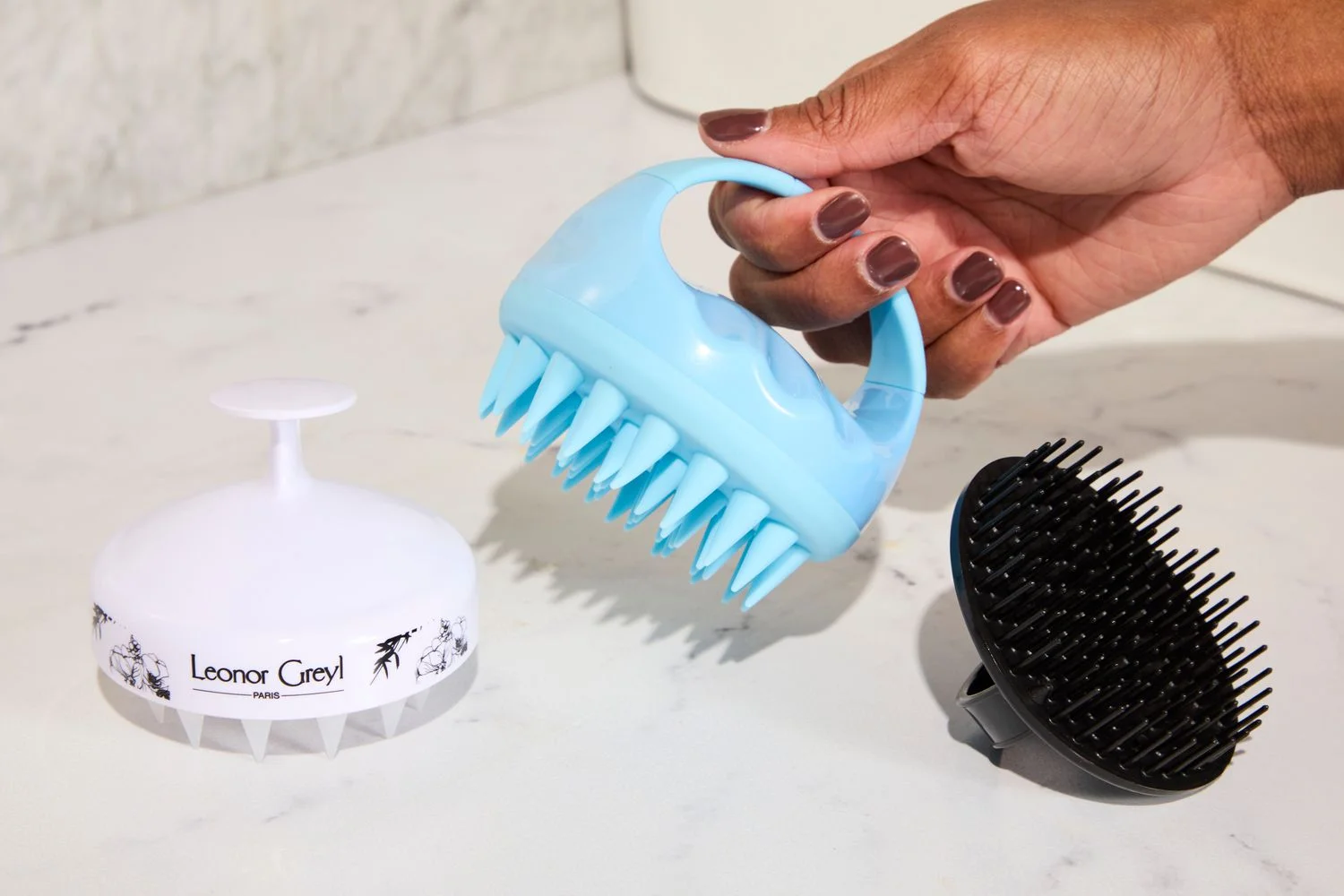
Scalp massage brushes are popular tools but can cause harm if overused or applied too harshly. Some women experience scalp irritation or hair breakage from aggressive brushing. To avoid this, choose a soft-bristled brush and use it gently in small circular motions. This tool helps exfoliate the scalp and spread natural oils while stimulating blood flow, but should be combined with manual massage techniques for best results.
Step-by-Step Guide: How to Perform Scalp Massage Properly
Preparing Your Hair and Scalp
A common mistake is massaging the scalp when hair is dirty or tangled, which can reduce the benefits and even cause hair damage. Before starting, ensure your hair is clean and detangled to avoid unnecessary tension or breakage. Some prefer to apply a light oil or serum to enhance the massage experience and protect strands. Warming the oil slightly can improve absorption and make the massage more relaxing.
Recommended Duration and Frequency
Many women give up on scalp massage because they expect instant results or spend too little time on the practice. Optimal stimulation typically requires about 5 to 10 minutes per session, repeated at least 3 to 4 times a week to see visible improvements. Overdoing it daily with excessive pressure may irritate the scalp, so it’s important to listen to your scalp’s response and adjust accordingly. Consistency is key for long-term benefits.
Aftercare Tips for Maximizing Results
Post-massage care is often neglected, limiting the potential hair growth benefits. Rinsing with lukewarm water and avoiding harsh shampoos ensures that the scalp’s natural oils remain balanced after massage. Using a gentle conditioner and avoiding heat styling can further protect newly stimulated hair follicles. Additionally, regular hydration and a nutrient-rich diet will complement the scalp massage, maximizing overall hair health.
Additional Natural Methods to Boost Hair Growth Alongside Scalp Massage
Herbal Treatments and Masks
While scalp massage improves circulation, sometimes the scalp needs extra nourishment through herbal treatments. Ingredients like aloe vera, hibiscus, and fenugreek provide vitamins and antioxidants that support follicle health. Applying hair masks with these herbs after massage sessions can address dryness, strengthen hair strands, and provide a soothing effect. Neglecting scalp care with such natural treatments may slow down progress.
Dietary Tips for Healthy Hair
A well-rounded diet rich in vitamins A, C, E, iron, and omega-3 fatty acids is essential for hair growth but often overlooked. Many women fail to recognize how poor nutrition impacts hair health, leading to dull and brittle hair. Incorporating foods like spinach, nuts, fish, and fruits ensures the body receives the building blocks required for strong hair shafts and resilient follicles. Proper nutrition works hand-in-hand with scalp massage to deliver visible results.
Stress Reduction Techniques
Stress is a frequent culprit in hair thinning and can negate the benefits of scalp massage if not addressed. Chronic stress induces hormonal imbalances that weaken hair follicles. Along with regular scalp massage, incorporating stress management techniques such as meditation, yoga, or deep breathing exercises can improve scalp health. Ignoring stress management can stall hair growth progress despite consistent massage efforts.