Understanding Heat Damage and Dry Hair
What Causes Heat Damage in Dry Hair?
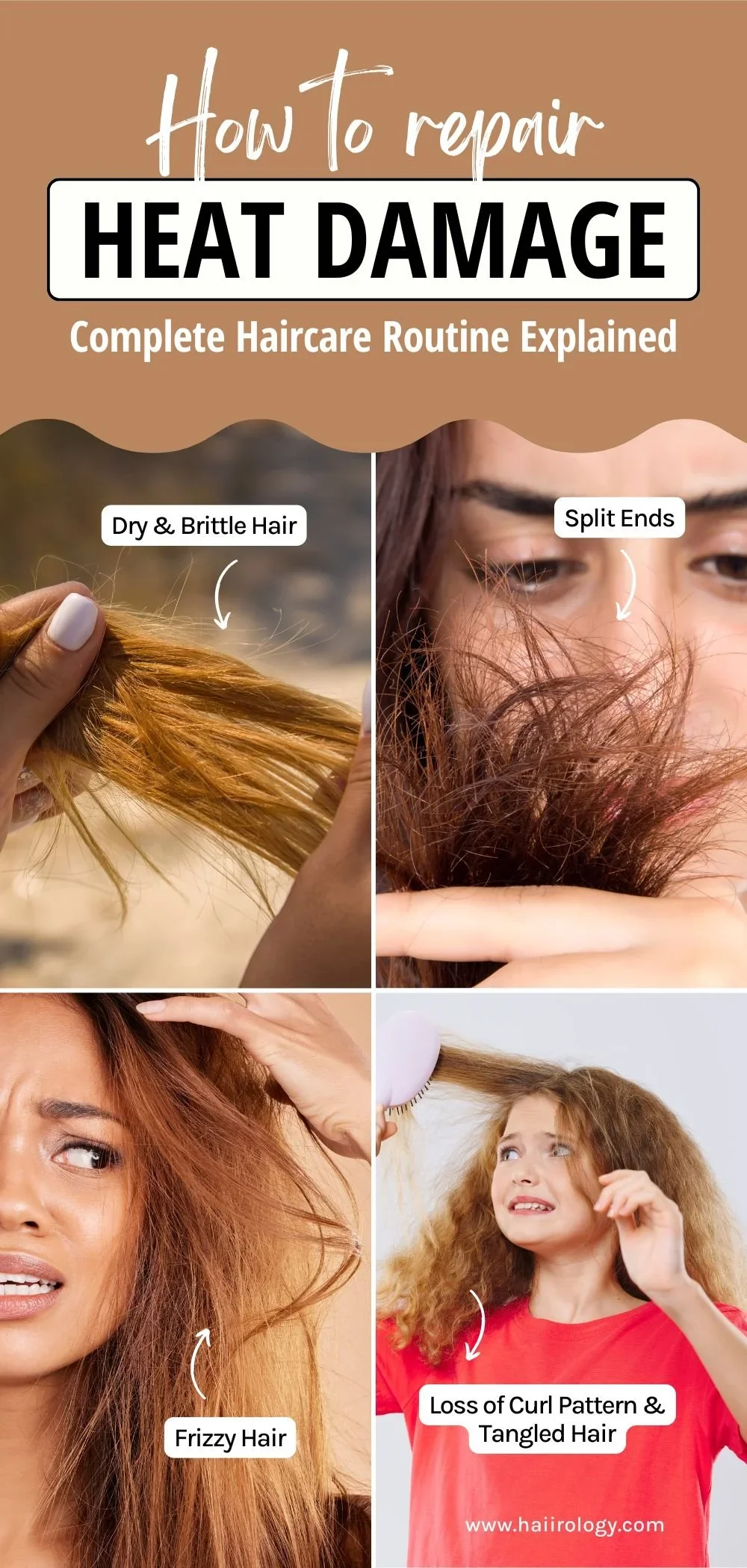
Heat damage occurs when the natural moisture levels in hair are depleted due to excessive exposure to high temperatures from styling tools such as blow dryers, straighteners, and curling irons. Dry hair is especially vulnerable because it lacks the necessary hydration to withstand these intense conditions. The heat can weaken the hair cuticle, leading to brittleness and split ends. Without proper care, this damage can accumulate over time, causing the hair to lose its natural shine and elasticity.
Signs Your Hair is Suffering from Heat Stress
Identifying heat stress early is important to prevent irreversible damage. Common indicators include increased dryness, frizziness, and a rough texture when you run your fingers through your hair. You might also notice split ends developing faster or hair that feels unusually fragile and breaks easily. Additionally, a lack of shine or dullness can signal that the hair’s protective outer layer has been compromised by heat exposure.
Preparatory Steps Before Styling
Choosing the Right Heat Protectant Products
Before applying any heat to your hair, selecting an appropriate heat protectant is crucial. These products form a barrier that reduces moisture loss and minimizes damage from elevated temperatures. Look for sprays or serums containing ingredients like silicones or natural oils, which help seal the cuticle. Applying the heat protectant evenly across damp hair ensures maximum coverage and protection, preparing your strands for styling without compromising their health.
How to Properly Hydrate Dry Hair
Hydration is key to maintaining resilient hair that can better tolerate heat. Before using styling tools, it’s important to moisturize your hair sufficiently. This can be achieved by using leave-in conditioners or hydrating sprays formulated for dry hair. These products not only add moisture but also help to lock it in through the styling process. Additionally, doing a deep conditioning treatment a day before styling provides an extra layer of nourishment, enabling your hair to recover and stay strong.
Detangling Techniques to Minimize Breakage
Avoiding breakage starts with gentle detangling. Use a wide-tooth comb or a detangling brush on wet or damp hair, starting from the ends and working your way up to the roots. This method reduces pulling and snapping of fragile strands. Detangling before applying heat also ensures that styling tools glide smoothly over your hair, reducing unnecessary friction and potential damage during the process.
Optimal Heat Styling Practices
Ideal Temperature Settings for Different Hair Types
Not all hair types require the same heat intensity. Fine or thin hair benefits from lower temperature settings, generally between 250°F to 300°F (120°C to 150°C), while thicker or coarse hair may tolerate slightly higher heat around 350°F to 400°F (175°C to 205°C). Adjusting your tools to these recommended settings helps accomplish your styling goals without overexposing your hair to damaging temperatures. When in doubt, err on the side of lower heat and increase gradually if necessary.
Styling Tools That Cause Less Damage
Choosing the right styling tools can make a significant difference in hair health. Tools with ceramic or tourmaline plates distribute heat more evenly and reduce hot spots that can cause localized damage. Infrared technology is also beneficial as it penetrates the hair shaft gently, minimizing external heat stress. Additionally, tools offering adjustable temperature controls give you greater precision to match your hair’s needs.
Safe Techniques for Curling and Straightening
When curling or straightening, avoid passing the tool over the same section of hair multiple times. Instead, work in small sections and make swift, intentional strokes. For curling, wrap hair around the barrel without clamping excessively and hold for a short duration to prevent overexposure. When straightening, ensure hair is completely dry to avoid steam damage and keep the tool moving steadily to prevent localized overheating. These habits help maintain the integrity of your hair while achieving the desired style.
Post-Styling Care to Repair and Maintain Healthy Hair
Deep Conditioning Treatments at Home
After heat styling, replenishing moisture is essential to repair any damage caused. Deep conditioning treatments provide intense hydration that ordinary conditioners may not deliver. Apply a rich mask or oil treatment once or twice a week, leaving it on for at least 20 minutes, sometimes with gentle heat to enhance absorption. This practice restores elasticity, reduces frizz, and strengthens strands to better resist future heat exposure.
Nighttime Hair Care Routines to Prevent Heat Damage
Protecting your hair while you sleep is another effective way to maintain its health post-styling. Wrapping hair in a silk or satin scarf reduces friction, which can lead to breakage and dryness. Using a silk pillowcase also helps preserve moisture and prevents tangling overnight. Additionally, lightly applying a nourishing serum before bed can keep your hair supple and ready for styling the next day.
Smart Habits to Protect Dry Hair Long-Term
Reducing Frequency of Heat Styling
Limiting how often you use heat tools is one of the best long-term strategies for preserving dry hair health. Giving your hair breaks from heat exposure allows it to naturally regenerate moisture and repair any damage. Aim to incorporate heat-free styling methods such as air drying, braiding, or using foam rollers. These alternatives help maintain your hair’s integrity while still enabling a variety of looks.
Incorporating Protective Hairstyles
Protective hairstyles can also shield dry hair from environmental stresses and reduce the need for frequent heat styling. Styles like loose braids, buns, or twists minimize manipulation and friction, which can otherwise exacerbate dryness and breakage. Incorporating such hairstyles into your routine provides rest to your hair and promotes healthier growth over time.