Understanding Hair Overwashing: Causes and Consequences
What Constitutes Overwashing?
Overwashing occurs when hair is shampooed or cleansed excessively, typically more than once a day or every day without considering hair type or scalp condition. This frequent cleansing strips the hair and scalp of their essential natural oils, leading to dryness and potential damage. While personal habits and lifestyle may vary, overwashing is generally defined by the imbalance it creates in the scalp’s natural moisture system rather than by a strict number of washes.
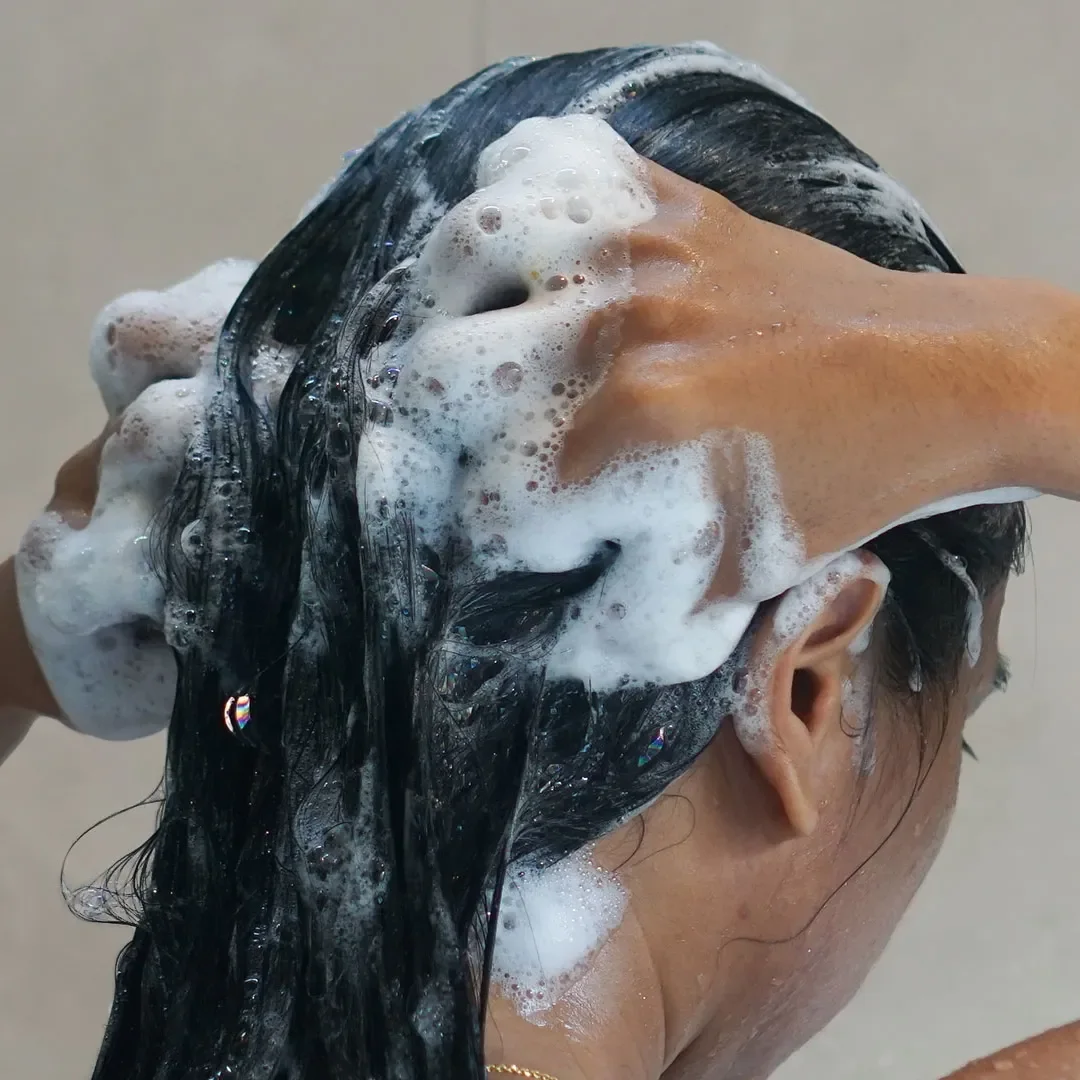
Common Reasons People Wash Hair Daily
Many individuals choose to wash their hair daily due to lifestyle demands, such as frequent exercise causing sweat buildup or working in dusty environments. Others may have oily scalp conditions that prompt the need for regular cleansing. Additionally, daily washing can become a habit linked to cultural norms or personal perceptions of cleanliness and grooming. Understanding these reasons helps identify whether daily washing is a necessity or a habit that could be modified.
How Overwashing Affects Hair Health
When hair is overwashed, the scalp loses its protective layer of sebum, the natural oil produced by sebaceous glands. This leads to dryness, making hair brittle and prone to breakage. Over time, the weakened hair shaft loses its natural shine, appearing dull and lifeless. The scalp may also react to dryness by producing excess oil, creating a cycle of overwashing and scalp imbalance. Therefore, overwashing doesn’t just affect the hair strand, but the scalp’s health and overall hair vitality as well.
The Science Behind Hair Moisture and Shine
Natural Oils and Their Role in Hair Care
Natural oils, primarily sebum, play a crucial role in maintaining hair’s moisture balance and shine. They coat the hair shaft, preventing moisture loss and providing a smooth surface that reflects light, resulting in natural luster. These oils also create a barrier against environmental damage and maintain scalp health by preventing dryness and irritation. Preserving these oils through an appropriate washing routine is fundamental to healthy hair.
Impact of Shampoo Ingredients on Hair’s Hydration
Shampoos contain various ingredients that can either support or disrupt hair hydration. Harsh detergents such as sulfates can strip away natural oils, leaving hair dehydrated and fragile. Conversely, moisturizing shampoos with gentle cleansers and nourishing components like oils, proteins, and humectants help maintain hydration levels in hair. Selecting shampoos with balanced ingredients is vital to protect hair’s moisture and enhance its shine without causing damage.
Signs Your Hair is Suffering from Overwashing
Physical Symptoms to Watch For
Physical signs of overwashing include increased dryness, excessive frizz, and a rough texture when touching the hair. The scalp may also feel tight or itchy, signaling a lack of moisture. Hair strands might break more easily and split ends may become more apparent. These symptoms often develop gradually, so being attentive to subtle changes is crucial to prevent further damage.
Changes in Texture and Appearance
Overwashed hair often loses its natural elasticity and smoothness, appearing dull and lifeless. The hair may become limp and less voluminous due to the lack of natural oils providing body and bounce. Color-treated or chemically processed hair is particularly susceptible, as overwashing can accelerate fading and roughen the cuticle layer, reducing overall shine.
Effective Strategies to Prevent Overwashing Damage
Optimizing Your Hair Washing Routine
One of the most effective ways to combat overwashing is to reassess your washing frequency. Depending on hair type and scalp condition, washing hair two to three times a week is often sufficient. Allowing the natural oils to nourish the hair between washes helps maintain moisture balance. Using lukewarm water instead of hot water can also prevent excessive dryness.
Alternative Cleansing Methods
Between washes, alternative cleansing methods such as co-washing (using conditioner-only washing) or dry shampooing can help manage oiliness without stripping natural oils. Co-washing provides gentle cleansing and moisture replenishment, while dry shampoo absorbs excess oil and refreshes the scalp, extending the time between full washes. Incorporating these methods can reduce the tendency to overwash while keeping hair clean and fresh.
Choosing the Right Products for Daily Use
When daily cleansing is unavoidable, it is important to select products specifically formulated for frequent use. Mild, sulfate-free shampoos enriched with moisturizing ingredients minimize damage by cleansing without stripping essential oils. Conditioning products that restore hydration and protect the hair cuticle also play a key role. Consistent use of such products supports hair health even with more frequent washing.
Practical Tips to Maintain Hair Moisture and Shine
Hydrating Hair Masks and Treatments
Regular use of hydrating hair masks can replenish moisture lost during washing. Applying deep conditioning treatments once a week strengthens the hair shaft, enhances softness, and improves shine. Ingredients such as argan oil, shea butter, and keratin are excellent for restoring hydration. These treatments help to rebuild the hair’s protective barrier and reduce the negative effects of overwashing.
Protective Styling and Maintenance Habits
Adopting protective hairstyles like braids or buns helps reduce hair exposure to environmental stressors and minimizes manipulation, which can lead to breakage. Additionally, limiting the use of heat styling tools and avoiding excessive brushing when hair is wet support moisture retention. Gentle handling and protective styles maintain hair integrity and promote a healthy, shiny appearance.
Importance of Diet and Hydration
A healthy diet rich in vitamins, minerals, and antioxidants directly influences hair health. Nutrients such as omega-3 fatty acids, biotin, and vitamins A, C, and E support hair strength and moisture from within. Staying adequately hydrated ensures the scalp and hair remain nourished, which contributes to maintaining natural shine and elasticity. Ignoring internal care can undermine external efforts to protect hair moisture.
The Role of Professional Advice and Hair Analysis
When to Consult a Trichologist

If signs of overwashing lead to persistent scalp irritation, hair thinning, or severe dryness, consulting a trichologist can provide targeted solutions. These specialists assess scalp and hair condition in detail, identifying underlying issues and recommending personalized care plans. Early intervention can prevent long-term damage and guide effective recovery.
Customized Hair Care Plans for Different Hair Types
Hair care is not one-size-fits-all. A professional can tailor a hair care routine based on hair texture, porosity, and scalp health to balance cleansing and conditioning optimally. For instance, curly or coarse hair often requires less frequent washing and more intensive moisturizing treatments, while oily hair might need regular but gentle cleansing. Customized plans maximize hair moisture and shine while preventing overwashing problems.
Quick Takeaways
Overwashing can disrupt the natural oil balance, leading to dry, dull, and damaged hair. Recognizing the signs early and adjusting washing routines accordingly helps maintain optimal moisture and shine. Choosing gentle products, incorporating hydrating treatments, and considering alternative cleansing methods contribute significantly to hair health. Moreover, professional guidance can provide tailored solutions based on individual hair needs.
Conclusion
Maintaining healthy hair requires understanding the delicate balance between cleansing and preserving natural moisture. Overwashing, though often unintentional, can cause substantial harm by stripping essential oils crucial for shine and hydration. By adopting a mindful washing routine, using appropriate products, and supporting hair with nourishing treatments and lifestyle choices, you can protect and enhance your hair’s natural beauty. Remember, good hair care is about consistency and care, not frequency alone, ensuring your hair remains vibrant and resilient every day.