Understanding Sensitive Skin
Characteristics of Sensitive Skin
Sensitive skin often reacts easily to environmental factors, products, or stress, resulting in redness, itching, or dryness. It tends to have a weaker barrier, making it prone to irritation and inflammation. Recognizing these signs early helps in adopting a skincare routine that supports and protects the skin without causing harm.
Common Irritants to Avoid
Many products contain ingredients that can trigger sensitivity. Fragrances, alcohol, harsh exfoliants, and certain preservatives are frequent culprits. Environmental factors like extreme temperatures and pollution can also aggravate sensitive skin. Avoiding these irritants is key to maintaining a calm and healthy complexion.
Key Principles of Affordable Skincare
Prioritizing Ingredients Over Brands
Expensive brands don’t always guarantee better results. Instead, focus on the ingredient list to ensure the products contain soothing and non-irritating components like ceramides, glycerin, and niacinamide. Simple formulations often perform better for sensitive skin and cost less, making skincare both effective and budget-friendly.
DIY vs. Store-Bought Products: Pros and Cons
While homemade remedies might seem appealing and cost-efficient, they can be unpredictable and occasionally worsen sensitivity if ingredients are not suited for delicate skin. Store-bought products, when chosen carefully, offer stability, tested formulations, and easier usability. Balancing both approaches can work, but caution is advised with DIY treatments.
Step-by-Step Budget-Friendly Routine
Gentle Cleansers That Won’t Break the Bank
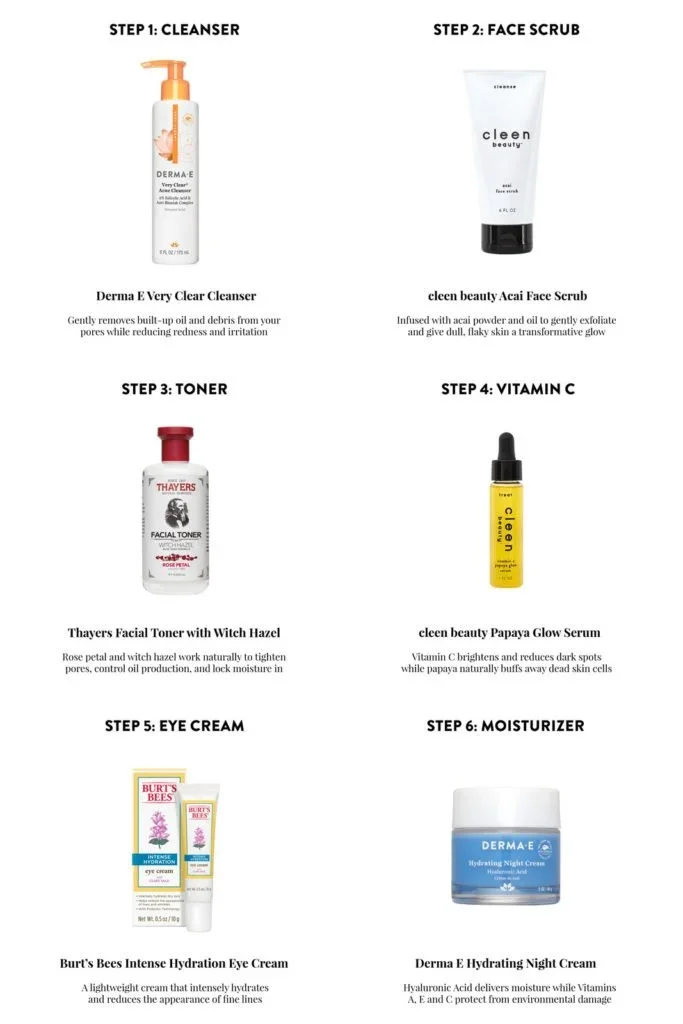
Start with a mild, fragrance-free cleanser that respects the skin’s natural barrier. Gel or cream-based cleansers designed for sensitive skin remove impurities without stripping moisture. Drugstore options often meet these criteria and offer excellent value.
Moisturizers Suitable for Sensitive Skin
A lightweight, non-comedogenic moisturizer with soothing ingredients is essential to restore hydration and protect from external aggressors. Look for products containing ceramides or hyaluronic acid, which are effective and usually affordable. Avoid heavy creams that may clog pores or irritate skin.
Sun Protection Without Irritation
Sunscreen is critical but can be tricky for sensitive skin. Mineral-based sunscreens with zinc oxide or titanium dioxide tend to cause less irritation. Avoid chemical sunscreens with oxybenzone or avobenzone as they might trigger reactions. Many budget-friendly brands offer mineral formulations suitable for daily use.
Smart Shopping Tips
Reading Labels for Hidden Irritants
Understanding product labels helps prevent unintentional exposure to allergens. Ingredients like alcohol denat, fragrance, and sodium lauryl sulfate are common irritants. Learning to identify these ensures safer purchases, especially when choosing affordable options where marketing claims may be misleading.
Where to Find Discounts and Deals
Look for sales on drugstore websites, discount retailers, and subscription box offers. Signing up for newsletters often grants access to exclusive discounts. Buying in bulk or during seasonal sales can also reduce costs without compromising quality, making it easier to maintain a consistent skincare routine.
Maintaining Skin Health Beyond Products
Lifestyle Habits Impacting Sensitive Skin
Beyond topical care, habits like maintaining a balanced diet, staying hydrated, and managing stress play a significant role. Avoiding long hot showers and protecting skin from harsh weather conditions helps reduce flare-ups. Good sleep patterns also enhance skin repair and resilience.
When to Consult a Dermatologist
If irritation persists despite careful skincare, professional guidance is necessary. A dermatologist can identify underlying causes and recommend treatments tailored to sensitive skin. This prevents complications and ensures that affordable routines remain safe and effective.