Understanding Exfoliation: Basics and Benefits
What is Exfoliation?
Exfoliation is the process of removing dead skin cells from the surface of your skin. This natural shedding process helps reveal fresher, smoother skin underneath. While your body constantly sheds skin cells, exfoliation assists in speeding up this process, promoting a brighter complexion and enhancing the skin’s overall texture.
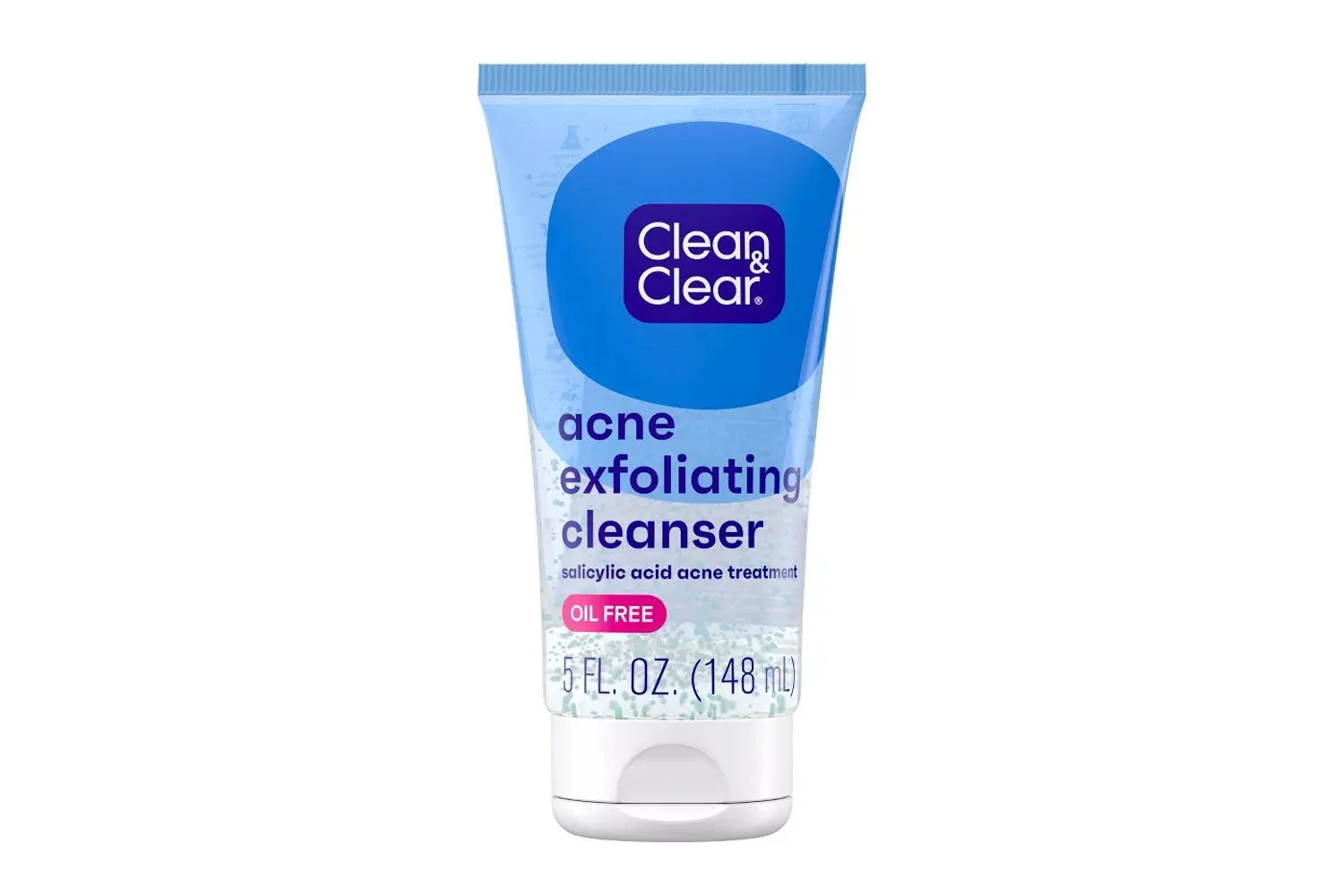
How Does Exfoliation Improve Skin Clarity?
When dead cells accumulate on your skin, they can clog pores and lead to dullness, uneven tone, and acne breakouts. By exfoliating regularly, you eliminate these dead cells, which clears the way for new, healthy skin to emerge. This not only improves skin clarity but also allows your skincare products to penetrate deeper and work more effectively.
Types of Exfoliators: Physical vs Chemical
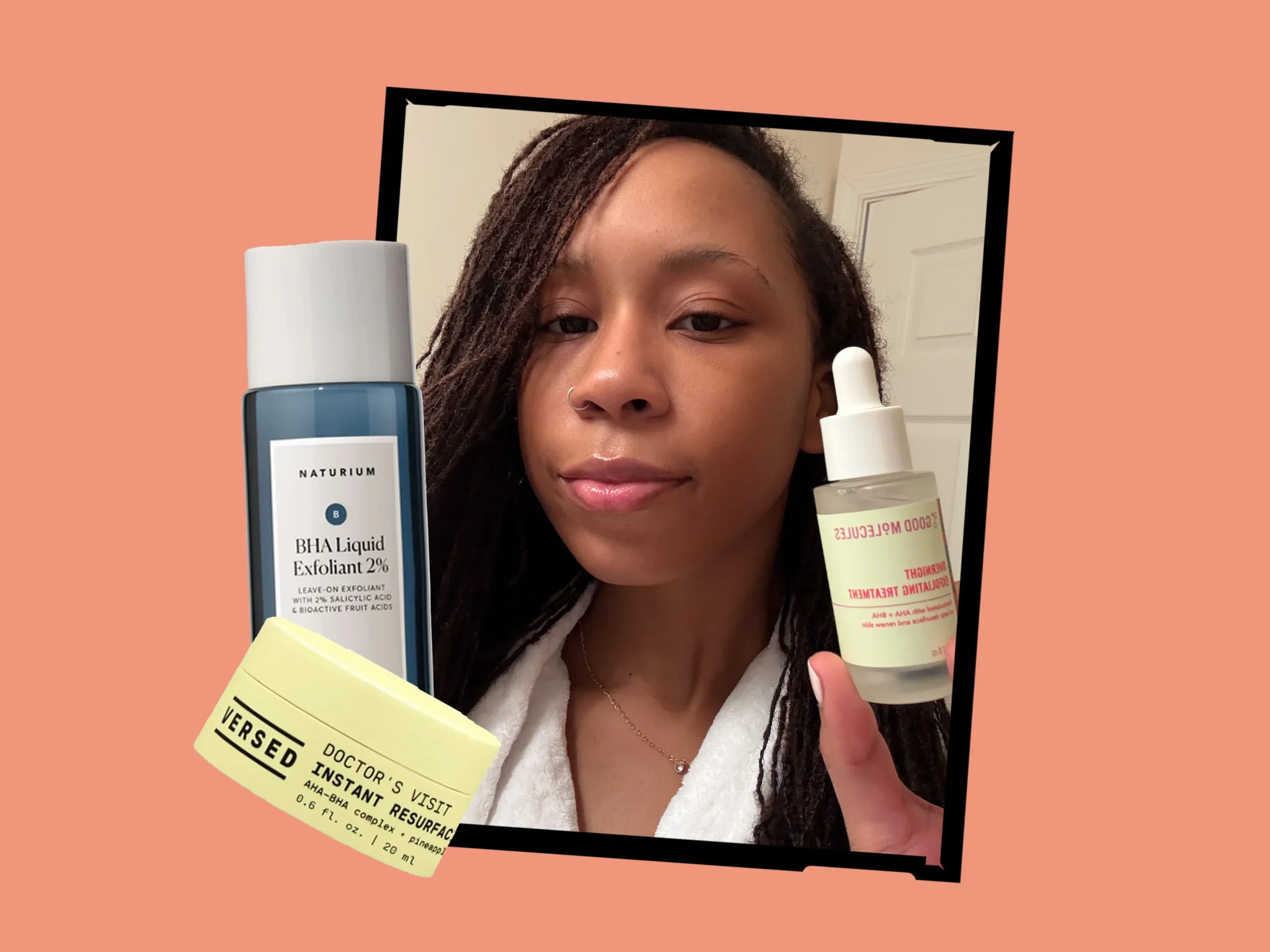
Exfoliators generally fall into two categories: physical and chemical. Physical exfoliators use small particles or tools to manually remove dead skin cells through friction. Common examples include scrubs with beads or brushes. Chemical exfoliators, on the other hand, utilize acids or enzymes to dissolve the bonds that hold dead cells together, enabling them to slough off more gently over time. Both types have their advantages depending on your skin type and sensitivity.
Top Affordable Exfoliators Available at Pharmacies
Best Physical Exfoliators Under $20
Pharmacies often stock a variety of budget-friendly physical exfoliators that are effective and accessible. Look for scrubs containing fine, natural beads such as jojoba or sugar, which provide gentle abrasion without damaging the skin. These products usually come in under $20 and are ideal for those who prefer a tactile exfoliation experience. Remember to choose scrubs with smooth, round particles to prevent microtears on the skin.
Top Chemical Exfoliators You Can Buy Without Breaking the Bank
Chemical exfoliators have become increasingly popular for their ability to gently renew skin without manual scrubbing. Ingredients like alpha hydroxy acids (AHAs), such as glycolic or lactic acid, and beta hydroxy acid (salicylic acid) are common in affordable pharmacy options. These products often come in the form of toners, serums, or treatment pads, and their prices typically remain budget-friendly. They offer a convenient way to enhance skin clarity, particularly for acne-prone or uneven skin.
Exfoliating Scrubs vs Treatment Pads: Which to Choose?
Choosing between an exfoliating scrub and treatment pads depends largely on your skin’s sensitivity and your personal preference. Scrubs provide immediate, physical removal of dead cells which can feel satisfying but might be too harsh for sensitive skin. Treatment pads infused with chemical exfoliants offer a gentler, more controlled exfoliation and can be easier to integrate into daily skincare routines. Consider your skin type, and try a patch test before committing to either option.
Tips for Choosing the Right Exfoliator for Your Skin Type
Exfoliators for Oily and Acne-Prone Skin
For oily and acne-prone skin, exfoliators containing salicylic acid are particularly beneficial. This beta hydroxy acid penetrates deep into pores, helping to clear out excess oil and prevent breakouts. Physical exfoliators can sometimes aggravate acne, so it’s best to opt for gentle chemical exfoliants. Avoid overly abrasive scrubs that might inflame your skin or cause further oil production.
Gentle Options for Sensitive Skin
Those with sensitive skin should prioritize mild exfoliation to avoid irritation. Look for products labeled as suitable for sensitive skin, which often feature lactic acid or enzyme-based exfoliators derived from fruits like papaya or pineapple. These alternatives gently dissolve dead skin cells without causing redness or discomfort. Avoid rough physical scrubs with large, uneven particles as they tend to exacerbate sensitivity.
Exfoliators Suitable for Dry and Aging Skin
Dry and aging skin benefits from exfoliators that not only remove dead skin but also help maintain moisture and promote cell renewal. AHAs such as glycolic acid are excellent choices because they support collagen production and help to smooth fine lines. Consider hydrating formulas with added soothing ingredients like aloe vera or glycerin to prevent over-drying. Using exfoliators too frequently may damage delicate dry skin, so moderation is key.
How to Maximize the Benefits of Your Pharmacy-Bought Exfoliator
Frequency and Application Techniques
Proper use of exfoliators is essential to avoid damaging your skin. For most skin types, exfoliating two to three times a week offers the best balance between effectiveness and skin safety. When applying physical scrubs, use gentle circular motions instead of harsh scrubbing. For chemical exfoliators, apply as directed—usually with a cotton pad or fingertips—and allow the product to fully absorb before layering other skincare items.
Combining Exfoliation with Other Skincare Steps
Exfoliation works best when combined thoughtfully with cleansing, moisturizing, and sun protection. Always start with a clean face to remove surface dirt, then exfoliate to clear away dead cells. Afterward, apply a nourishing moisturizer to restore hydration and barrier function. Since exfoliation increases skin sensitivity to UV rays, applying a broad-spectrum sunscreen daily is crucial to protect your newly revealed skin and prevent damage.
Important Precautions to Avoid Skin Irritation
While exfoliation can greatly benefit your skin, overdoing it or using harsh products can lead to irritation, redness, or even sensitivity. Avoid daily exfoliation unless specifically recommended for your skin type and product. Patch test new exfoliators before full application, especially with chemical exfoliants. If you experience persistent discomfort or redness, discontinue use and consult a dermatologist.
Conclusion: Achieving Clearer Skin Without Spending a Fortune
Clearer, brighter skin is attainable with effective exfoliation using affordable products from your local pharmacy. Understanding the different types of exfoliators and selecting options tailored to your skin’s needs ensures safe and beneficial results. By following proper application techniques and integrating exfoliation into a balanced skincare routine, you can enhance your skin’s clarity without overspending. With consistency and care, pharmacy-bought exfoliators can become a valuable weapon in your skincare arsenal.