Introduction to Time-Blocking for Busy Women
What is Time-Blocking?
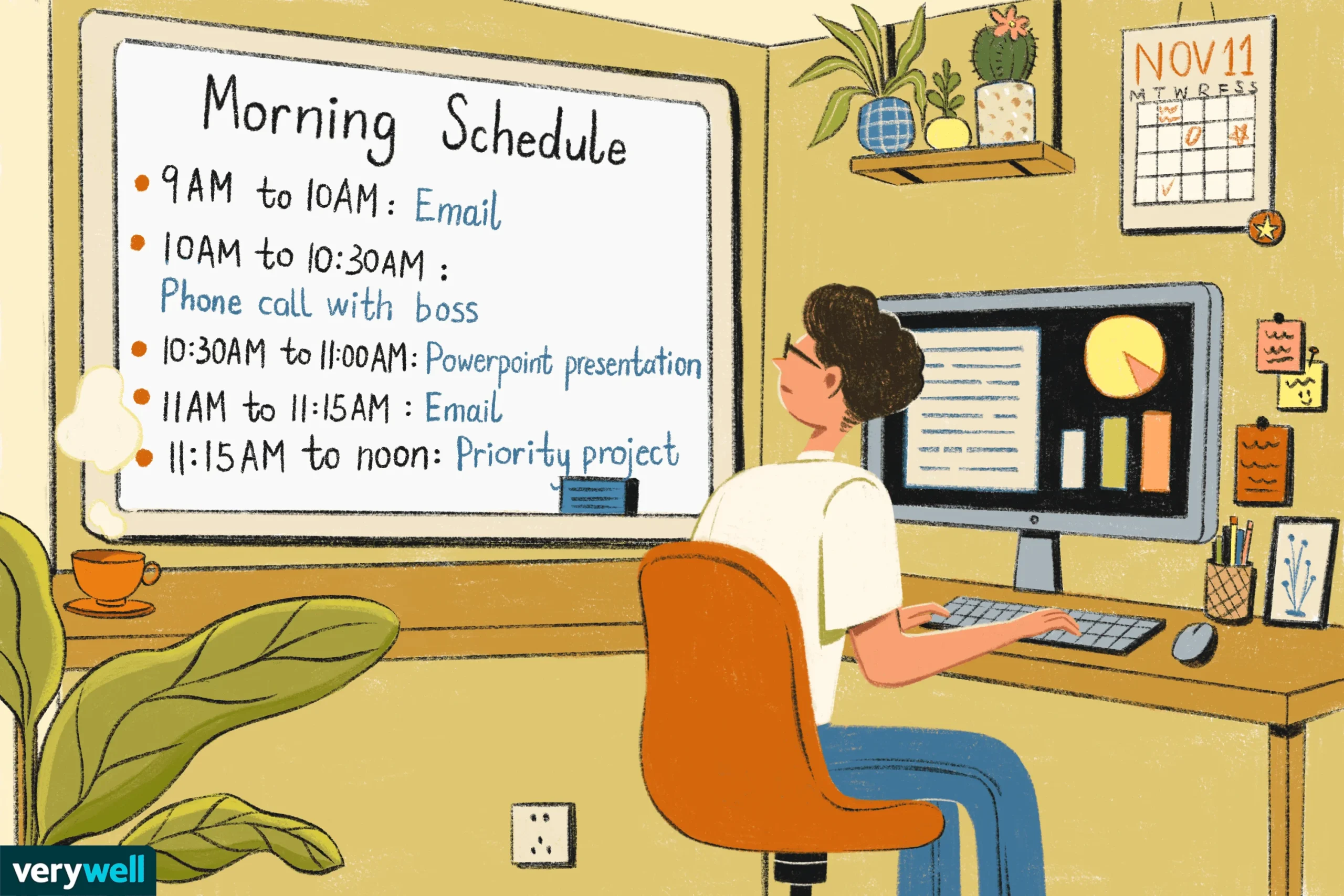
Time-blocking is a productivity method where you divide your day into distinct sections, each allocated to specific tasks or activities. Instead of working from a long to-do list with vague time estimates, you assign set periods to different responsibilities. This approach helps create clear boundaries within your day, ensuring that essential tasks receive focused attention without distractions.
Why Time-Blocking Works for Women with Hectic Schedules
Busy women often juggle multiple roles—professional duties, household management, family care, and personal well-being. This constant multitasking can lead to overwhelm and diminished productivity. Time-blocking helps by breaking the day into manageable segments, enabling better control over how each hour is spent. It minimizes the risk of tasks bleeding into one another and reduces decision fatigue, making it easier to maintain focus and achieve more without feeling stretched thin.
Assessing Your Current Daily Routine
Tracking Time to Identify Productivity Gaps
Many women underestimate how much time daily activities consume or fall into habitual distractions that waste valuable minutes. The first step in effective time-blocking is to track your current routine for several days. This can be done using a simple notebook or a tracking app. By noting when and how you spend time, you uncover hidden patterns such as frequent interruptions, extended breaks, or inefficient task switching. Recognizing these gaps provides a foundation for redesigning your schedule with purpose.
Prioritizing Tasks Based on Importance and Urgency
The challenge after tracking time is deciding where to allocate your efforts. Not all tasks are equally important or urgent, and trying to tackle everything simultaneously only increases stress. Categorize your duties into groups—what must be done today, what can be delegated or postponed, and what is less critical but beneficial for long-term goals. This prioritization streamlines your time blocks, focusing your energy on what truly matters and preventing overload.
Steps to Implement Time-Blocking Effectively
Choosing the Right Tools and Apps
Selecting suitable tools can simplify the time-blocking process. Digital calendars like Google Calendar or apps specifically designed for time-blocking provide visual layouts and reminders, reducing the risk of overbooking or missing blocks. For those who prefer analog methods, a planner with segmented hourly pages can work well. The key is to choose a tool that fits your lifestyle and encourages consistency without adding complexity.
Creating Realistic and Flexible Time Blocks
Setting overly ambitious or rigid blocks often leads to frustration and abandonment of the method. Instead, focus on creating realistic intervals that account for your natural work pace and the unpredictability of daily life. Flexibility is crucial; if one block overruns, allow adjustments without guilt. Time-blocking should serve to organize your day, not to trap you in an unrealistic schedule that only adds pressure.
Balancing Work, Family, and Self-Care in Your Schedule
One common mistake is neglecting personal care or family time while optimizing for work tasks. Effective time-blocking includes dedicated periods not just for professional responsibilities but also for rest, hobbies, exercise, and meaningful interactions with loved ones. This holistic approach prevents burnout and maintains motivation, ensuring that productivity gains do not come at the cost of well-being or relationships.
Tips to Avoid Overwhelm While Using Time-Blocking
Incorporating Breaks and Buffer Time
Back-to-back time blocks without breaks can make the day feel relentless. It’s essential to schedule short pauses to recharge, reflect, or transition smoothly between activities. Buffer time between blocks helps absorb unexpected interruptions or tasks that take longer than planned, reducing stress and helping you stay on track without feeling rushed.
Adjusting Time Blocks Based on Daily Energy Levels
Your focus and energy fluctuate throughout the day. Attempting intensive tasks during low-energy periods often results in inefficiency and frustration. Time-blocking becomes more effective when you align challenging or creative work with your peak energy times and save routine or less demanding duties for when energy dips. This adjustment promotes better productivity and reduces the risk of overwhelm.
Case Studies: Success Stories of Busy Women
How Time-Blocking Transformed Their Productivity
Many busy women report that adopting time-blocking was a game-changer. One mother managing a full-time job and homeschooling found she could complete critical work tasks more quickly by dedicating focused blocks in the morning. Another professional woman credited time-blocking with helping her carve out consistent daily exercise and creative time, which she had previously neglected. The clarity and structure provided by this method turned chaotic days into more manageable and fulfilling ones.
Lessons Learned and Best Practices
From these experiences, common lessons emerge. It is vital not to start with an overly packed schedule—instead, build up the practice gradually. Consistency matters more than perfection, and occasional adjustments are natural. Flexibility, self-compassion, and ongoing evaluation help women maintain the benefits of time-blocking long term, avoiding the trap of feeling like a rigid taskmaster to themselves.
Conclusion: Making Time-Blocking a Sustainable Habit
Time-blocking offers a practical solution for busy women striving to boost productivity without added overwhelm. By understanding their current routines, prioritizing effectively, and implementing the method with realistic expectations and self-care considerations, women can double their daily output and reclaim control over their time. Sustainable success comes from treating time-blocking not just as a scheduling tool but as a habit that evolves with changing demands and energy levels. With patience and adaptation, time-blocking can become a valuable ally in achieving a balanced, productive, and fulfilling life.