Understanding the Impact of Morning Routines on Stress Levels
The Science Behind Morning Habits and Stress
Imagine Sarah, a project manager who constantly felt overwhelmed by her hectic mornings. After switching to a more structured routine, she noticed a significant drop in her anxiety before work. This example reflects scientific findings that morning habits directly influence cortisol levels, the hormone responsible for stress. When your morning is chaotic, your body produces higher cortisol, leading to increased tension throughout the day. Establishing calming rituals can help regulate this hormonal response, promoting a more balanced mood as you start your day.
Why Minimalism Matters in Daily Practices
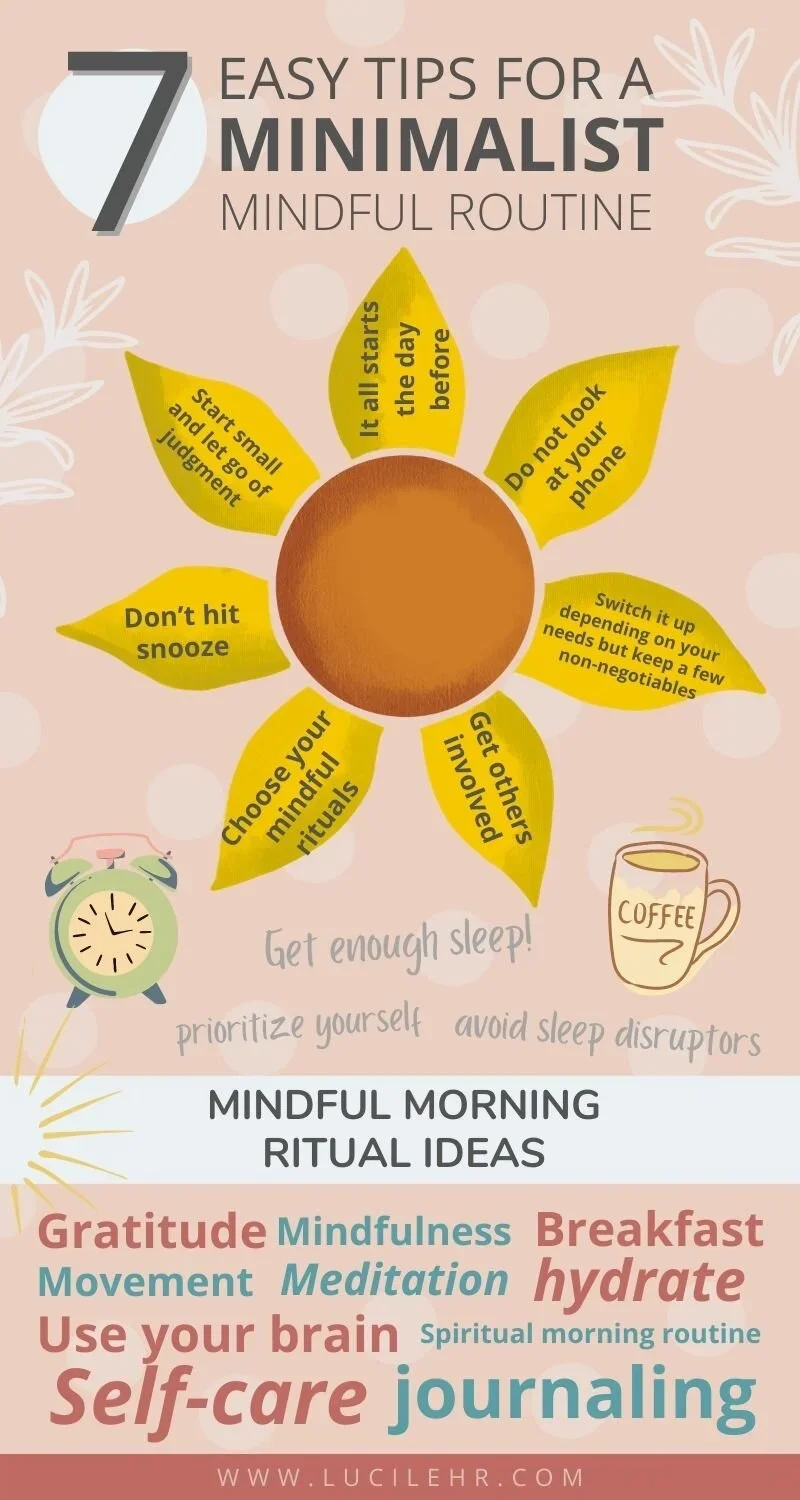
For many, mornings get bogged down by an overflow of tasks—checking emails, deciding what to wear, rushing breakfast—all contributing to mental clutter. Minimalism in your morning routine strips away unnecessary steps, allowing you to focus on what truly matters. Take Jake, who used to scroll through social media as soon as he woke up. By eliminating this habit and simplifying his routine, he restored his sense of control, reducing feelings of stress before the workday even began. Embracing minimalism paves the way for intentionality and calmness.
Steps to Design Your Minimalist Morning Routine
Assessing Your Current Morning Habits
Start by observing your present routine without judgment. Record each activity you perform—from waking up to leaving the house—and note how you feel during these moments. For example, Emma discovered she spent 30 minutes deciding on outfits and scrolling her phone, which left her rushed and anxious. This self-assessment reveals which parts of your morning add value and which simply consume energy and time.
Identifying Essential Activities
Focus on activities that contribute to your well-being or prepare you for the day. For some, it might be a brief stretch, a nourishing breakfast, or a quick review of the day’s priorities. For others, journaling or a few minutes of deep breathing sets the tone. Chris, a freelance designer, prioritized drinking water and writing a to-do list, which helped him feel organized and calm without adding complexity.
Eliminating Non-Essential Tasks
Once essentials are identified, consider phasing out any steps that don’t support your goals or emotional balance. This might mean skipping the morning news or postponing email checks until after you arrive at work. Maya realized that cutting out these distractions shaved 20 minutes off her mornings and reduced her stress by preventing information overload at the start of the day.
Incorporating Mindfulness and Simplicity
Simple Meditation Techniques for Beginners
Starting small can create lasting impact. Try a two-minute deep breathing exercise or a guided meditation app to ground your thoughts. Take John, who began his day with a short mindfulness practice focusing on his breath; this helped him pause instead of reacting impulsively to morning stressors. Mindfulness encourages present-moment awareness, which counteracts the racing mind so common in stressful starts.
Minimalist Exercise Options to Energize the Day
Exercise doesn’t have to be complicated or time-consuming to be effective. Consider gentle yoga or a brief walk around the block, like Rachel does each morning before breakfast. These activities stimulate circulation and release endorphins, fueling your body and calming your mind without overwhelming your schedule. Keeping exercise simple encourages consistency.
Optimizing Your Environment for a Calm Start
Decluttering Your Bedroom and Bathroom
Physical clutter can subtly raise stress levels. Take note of how a messy bedside table or disorganized bathroom counter made you feel rushed or distracted. Clearing these spaces the night before offers a smoother transition in the morning. Take Mark’s example—organizing his essentials in designated spots reduced the frantic search for items and made daily preparation feel effortless.
Setting Up a Stress-Free Morning Space
Designing an environment that promotes calm involves thoughtful placement of lighting, soothing colors, and minimal distractions. Using a soft lamp instead of harsh overhead lights or adding a small plant can subtly improve mood. Anna created a dedicated corner for her morning tea and journaling, crafting a ritual that became a sanctuary from morning chaos, enhancing her ability to start gently and purposefully.
Tools and Resources to Support Your Routine
Apps and Gadgets That Enhance Minimalism
Technology can either complicate or simplify your morning. Apps like Calm or Headspace offer guided meditations, while minimalist alarm clocks provide gentle wake-ups without blue light exposure. Some prefer using simple timer apps to keep tasks brief and focused. Nathan found that limiting his smartphone use until after morning rituals minimized distractions, supporting a clearer mindset.
Recommended Books and Journals

Reflective materials can inspire and guide your minimalist approach. Titles like “The Miracle Morning” provide practical strategies without overwhelming complexity. Journals designed for morning reflections encourage setting intentions and tracking progress, which helped Sara stay committed to her new routine while fostering gratitude and calmness right away.
Measuring the Success of Your New Routine
Tracking Stress Levels and Productivity
Keeping a simple daily note of how you feel before and after your morning routine helps identify improvements and areas for adjustment. For instance, James recorded his mood and focus every morning; over weeks, he saw fewer stressful spikes and more productive hours. This ongoing feedback ensures the routine remains effective and motivating.
Adjusting the Routine Over Time
Life changes, and so should your routine. Be flexible and revise your practices as needs evolve—whether it’s adding a new activity or removing one that no longer serves you. When Clara transitioned to a new job with earlier hours, she modified her routine to allow more sleep and simpler breakfast choices, maintaining her sense of calm despite the shift.
Quick Takeaways
Starting your day with intention and minimal clutter can dramatically lower stress and increase focus. By observing and simplifying your habits, incorporating mindfulness, optimizing your surroundings, and using supportive tools, a calmer, more manageable morning becomes achievable. Remember, consistency and flexibility are key to sustaining this positive change.
Conclusion
Creating a minimalist morning routine isn’t about forcing strict schedules but fostering a peaceful start that empowers your whole day. Real-life stories show that small, intentional shifts can reduce overwhelm significantly. By designing mornings around essentials, embracing simplicity, and nurturing your environment, you set a foundation for less stress and more presence. This thoughtful approach aligns your daily rhythm with your well-being, promoting a healthier and more balanced lifestyle.