Understanding the Importance of Mindfulness in Morning Routines
How Emotions Affect Your Day
Imagine waking up late for an important meeting, rushing through your breakfast, and feeling the pressure build as you try to dress and prepare simultaneously. This chaotic start can spike your stress hormones, impacting your mood and decision-making throughout the day. Emotions experienced early on tend to color how you interpret events and respond to challenges. Whether anger, anxiety, or overwhelm, these feelings can set a negative tone that’s hard to shake off.
On the other hand, approaching your morning with a calm mindset can improve resilience, patience, and overall wellbeing. When emotions are balanced, you’re more likely to navigate the day with clarity and confidence, making better choices and maintaining stronger connections with others.
Why Busy Mornings Demand Emotional Recentring
Busy mornings are often a race against time—preparing kids for school, meeting early deadlines, or managing household chores before heading out. This rush can scatter your focus, leaving you reactive rather than proactive. Recentring your emotions through mindfulness exercises ensures you stay grounded even amidst the chaos, preventing stress from snowballing.
For example, Sarah, a working mom, found that a brief five-minute breathing exercise before breakfast helped her face her hectic mornings with more patience. Instead of feeling overwhelmed, she reported a steadier mood and the ability to handle unexpected disruptions with ease. This story illustrates why even small mindfulness moments can have a meaningful impact on your emotional state during busy starts.
Top 5 Simple Mindfulness Exercises for Morning Emotional Balance
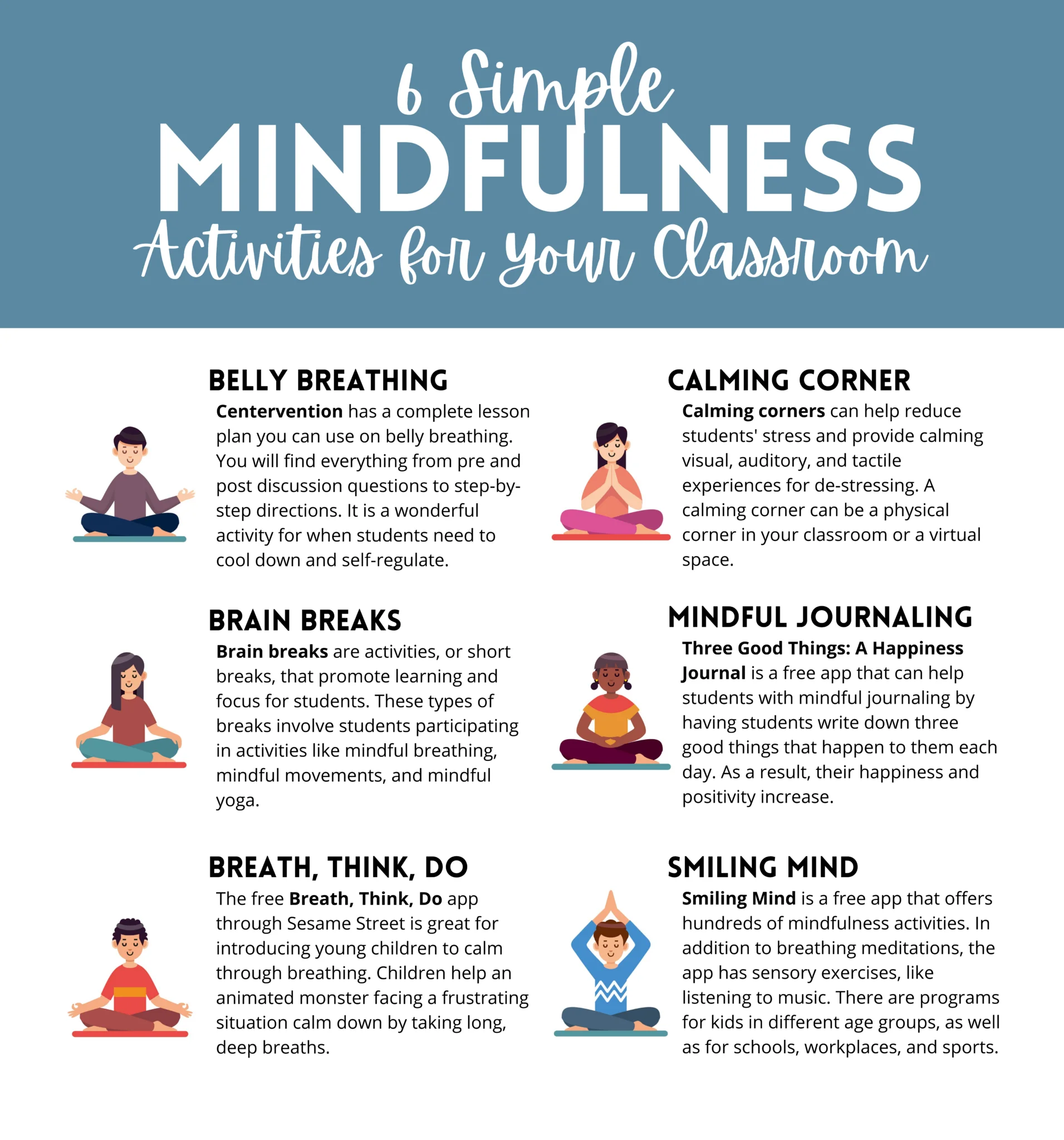
Breath Awareness Techniques
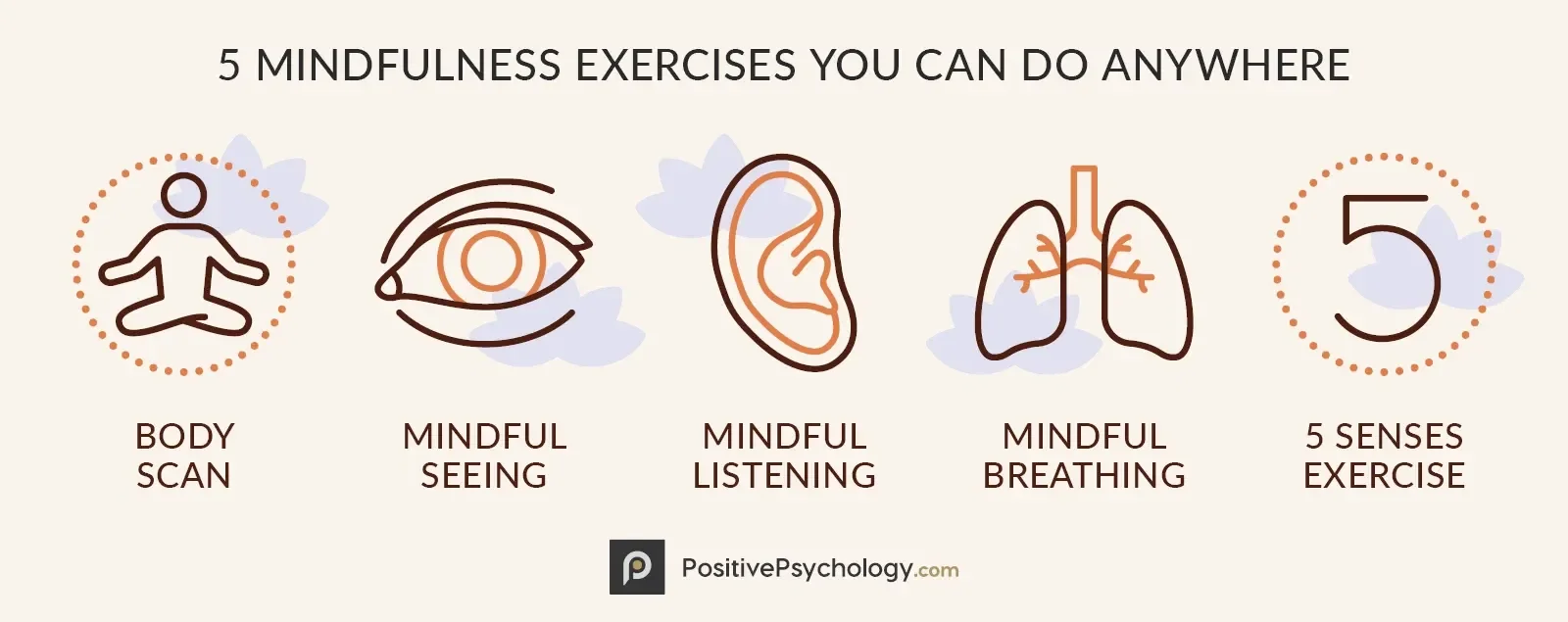
Breathing is an automatic function, yet consciously paying attention to it can instantly calm the nervous system. Try this: sit comfortably, close your eyes, and inhale deeply through your nose for four seconds, hold for two, then exhale slowly through your mouth for six seconds. Repeating this cycle just three times can reduce heart rate and ease tension.
Tom, a university student, used this method before early lectures and noticed it helped lessen his anxiety, enabling him to focus better on his studies.
Body Scan Meditation
This exercise involves mentally scanning your body from head to toe, noticing any areas of tightness or discomfort without judgment. Starting at the crown of your head and moving downward helps you reconnect with physical sensations and release tension that may be fueling emotional stress.
Alice, a software engineer, incorporated this into her morning routine. She found that recognizing and relaxing physical stress helped reduce her irritability and boosted her mood before work.
Gratitude Journaling
Writing down three things you’re grateful for each morning shifts your focus from what’s lacking or stressful to what’s positive in your life. This practice primes your brain to recognize opportunities and appreciate small joys, which can counter feelings of overwhelm.
Mark, who often felt rushed and discouraged, began this habit and noticed that mornings felt less daunting. Instead of dreading the day, he approached it with a sense of appreciation.
Mindful Stretching
Gentle stretching combined with mindfulness awakens the body while promoting relaxation. Focus on how your muscles feel as you stretch, noticing sensations of release or tightness. This can increase body awareness and reduce physical and mental stiffness.
Jenna, an office worker, replaced her usual phone scroll with mindful stretches in the morning. The physical engagement, paired with focused attention, enhanced her emotional stability throughout her busy days.
Visualization for Calmness
Visualization involves imagining a peaceful setting or a positive outcome while engaging all your senses. Picture yourself in a calm forest or visualize successfully navigating your day. Creating these mental images can produce a calming effect similar to actual relaxation.
For instance, David, preparing for high-stakes presentations, used visualization to manage his nerves. By spending a few minutes each morning envisioning success and tranquility, he reported feeling more composed and prepared.
Integrating Mindfulness into Your Morning Schedule
Quick Practices Under 5 Minutes
Busy mornings leave little time for lengthy rituals, but even brief mindfulness moments are valuable. Techniques like breath awareness or gratitude journaling can be completed in under five minutes. Fitting these exercises right after waking up or before stepping out the door makes them practical and consistent.
Consider setting a timer or leaving a journal by your bedside to remind yourself to engage in these practices. Starting your day with this intentional pause creates a buffer against rushing and emotional disarray.
Using Mindfulness Apps for Guidance
If you’re unsure where to start or need a structured approach, mindfulness apps can be invaluable. Many offer short guided meditations, breathing exercises, and reminders tailored to morning routines. Apps like Headspace or Calm provide user-friendly options that fit seamlessly into hectic schedules.
Lisa, juggling freelance work and parenting, credits these apps for helping her maintain daily mindfulness without adding complexity to her mornings. The gentle voice guidance and progress tracking motivated her to keep the habit alive even on stressful days.
Long-Term Benefits of Consistent Morning Mindfulness
Improved Emotional Regulation
Regular morning mindfulness practice strengthens your ability to recognize and manage emotions before they escalate. Over time, this leads to greater emotional intelligence, helping you respond thoughtfully rather than react impulsively.
Consider James, a teacher who faced frequent classroom stress. Consistent mindfulness helped him remain calm during disruptive moments and maintain positive relationships with students.
Increased Focus and Productivity
Mindfulness enhances concentration by training your brain to stay present. Starting your day with mindfulness can improve your ability to prioritize tasks, avoid distractions, and work more efficiently.
Maria, a marketing professional, noticed that her day flowed more smoothly and her creativity improved when she stuck to her morning mindfulness routine, translating to better performance at work.
Additional Resources and Tools for Morning Mindfulness
For those eager to deepen their practice, consider books like “The Miracle of Mindfulness” by Thich Nhat Hanh or “Wherever You Go, There You Are” by Jon Kabat-Zinn. These provide foundational insights and practical exercises.
Online courses and community groups can also offer support and accountability. Websites such as Mindful.org host a variety of articles, guided practices, and forums to help integrate mindfulness into daily life.
Finally, incorporating calming teas, soothing music, or aromatherapy during your mindfulness moments can enhance the experience, turning a simple exercise into a cherished morning ritual that nurtures both mind and body.