The Science Behind Morning Walks and Fat Loss
How Morning Exercise Boosts Metabolism
Imagine Sarah, a busy mom juggling work and family life. She started taking 30-minute morning walks before her day began, and within weeks, she noticed a shift—not just in her weight, but in how her body processed food. Morning exercise taps into your metabolism in a unique way. After a night of fasting, your body’s insulin sensitivity is heightened, making it primed for better fat metabolism. Walking at this time stimulates your metabolic rate, effectively turning up the calorie burn for hours after your activity.
This phenomenon, often called excess post-exercise oxygen consumption (EPOC), means that your body continues to burn more calories as it recovers. So, starting your day with a walk not only burns fat during the exercise but keeps your metabolism elevated, assisting with fat loss throughout the day.
The Role of Hormones in Fat Burning at Sunrise
Hormones, especially cortisol and growth hormone, follow a natural rhythm aligned with sunrise. Cortisol, often dubbed the stress hormone, peaks in the early morning to help you wake up and feel alert. When combined with morning exercise, this hormone encourages your body to utilize stored fat for energy more efficiently. Additionally, growth hormone released during morning activity supports fat breakdown.
Take John, who struggled with stubborn belly fat. When he incorporated a brisk morning walk into his routine, his body’s hormonal environment shifted in a way that enhanced his fat burning. Timing the walk with the natural hormonal surge makes morning outings particularly effective compared to evening workouts, which coincide with hormone levels that favor recovery rather than fat loss.
Energy Enhancement Through Early Day Physical Activity
Why Morning Walks Increase Alertness
Consider Mia, an office worker who always felt sluggish mid-morning. She began morning walks and found herself feeling energized and awake without reaching for coffee. Walking outdoors exposes you to natural light, which signals your brain to reduce melatonin production—the hormone that makes you sleepy. This natural reset enhances alertness and prepares your mind and body for the day ahead.
The rhythmic movement of walking also stimulates circulation, delivering oxygen and nutrients to your brain. The combined effect is a sustained boost in energy that doesn’t crash like caffeine highs, making morning walks an excellent solution for combating grogginess.
The Link Between Walking and Improved Mental Focus
Early physical activity like walking can sharpen mental clarity. When Tom, a freelance writer, started scheduling morning walks, he noticed his creativity and concentration improved dramatically. Scientifically, walking increases blood flow to the brain’s prefrontal cortex, which governs decision-making and focus. Regular morning walks foster neurogenesis—the growth of new brain cells—improving cognitive function over time.
This effect is especially valuable in today’s fast-paced world where mental fatigue is common. Even a short 20-minute walk can clear mental fog and enhance productivity, setting a positive tone for the demands of the day.
Creating a Morning Walk Routine for Maximum Benefits
Optimal Duration and Intensity for Fat Loss
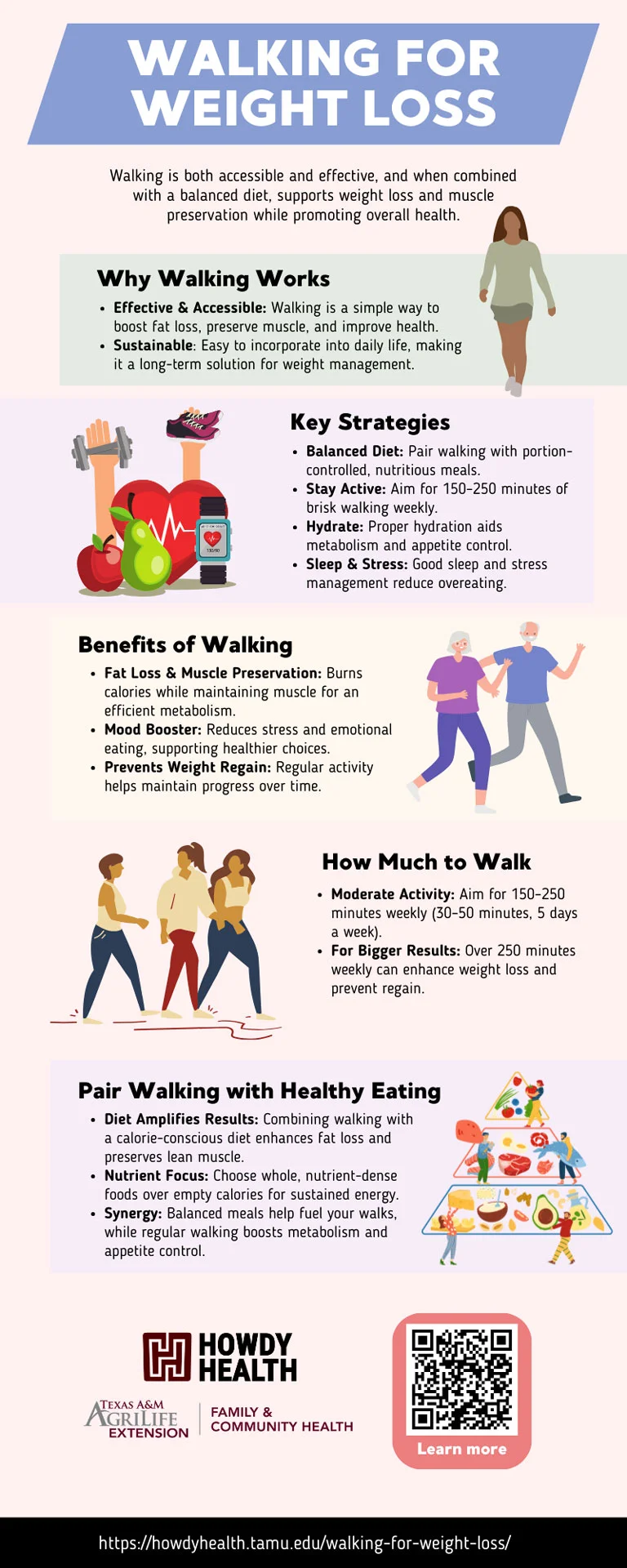
Not all walks yield the same results. For effective fat loss, experts suggest aiming for 30 to 60 minutes of brisk walking. Sarah, from earlier, found that a steady pace where she could still talk but felt slightly breathless was ideal. Walking too slowly minimizes fat burning, while too quickly too soon can lead to burnout or injury.
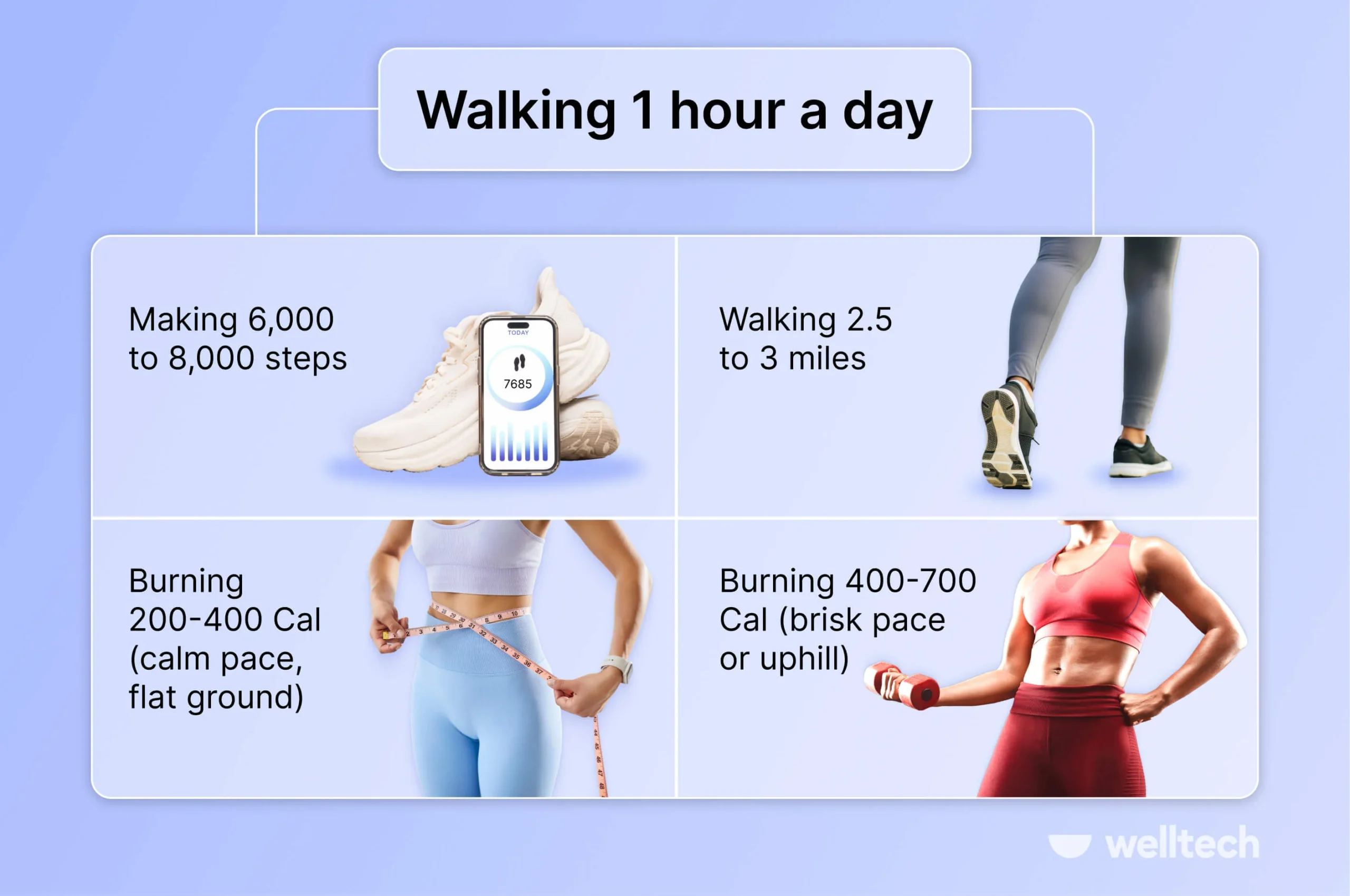
It’s important to listen to your body and increase intensity gradually. Incorporating short bursts of faster pace or gentle inclines can boost calorie expenditure without overwhelming your system. Remember, consistency matters more than intense sessions done sporadically.
Tips for Staying Consistent and Motivated
Turning a morning walk into a habit can be challenging, especially when faced with early alarms and cozy beds. For John, accountability made all the difference—he scheduled walks with a friend, transforming exercise time into social time. Others find tracking progress through apps or setting achievable goals keeps them motivated.
Preparing the night before, such as laying out walking shoes and clothes, eliminates morning friction. Additionally, choosing scenic routes or listening to favorite podcasts can make the experience enjoyable rather than a chore. These small strategies help anchor the habit until it becomes a non-negotiable start to the day.
Complementary Lifestyle Habits to Enhance Results
Nutritional Strategies to Support Fat Loss
Morning walks complement a balanced diet that supports fat loss. Mia combined her routine with a protein-rich breakfast and plenty of fiber, stabilizing blood sugar and maximizing fat burning. Avoiding sugary or highly processed foods early in the day prevents energy crashes that can derail motivation to stay active.
Hydrating well before and after walks also aids in metabolic processes. Sometimes, feelings of fatigue or hunger are actually signs of dehydration, which can slow fat loss progress. Strategic eating aligned with your morning activity amplifies its benefits.
Sleep and Hydration: Allies of Your Morning Walk
Quality sleep sets the stage for successful morning walks. Without adequate rest, hormone regulation falters and energy dips, making early exercise feel more taxing. Tom adjusted his bedtime routine, turning off screens earlier and practicing relaxation techniques, which improved his sleep quality and morning performance.
Hydration too plays a crucial role. Drinking a glass of water upon waking jumpstarts metabolic functions and prevents sluggishness. Combining good sleep and hydration habits gives your morning walk the foundation it needs to elevate energy and aid fat loss effectively.