Understanding the Basics of Hair Care
The Anatomy of Hair: What Makes It Strong?
Hair is composed primarily of keratin, a fibrous protein that forms the structural foundation of each strand. The outer layer, called the cuticle, consists of overlapping scales that protect the inner cortex, where the hair’s strength and elasticity reside. Healthy hair cuticles lie flat and smooth, providing resistance against damage from environmental factors and mechanical stress. When these protective layers are intact, hair maintains its shine and resilience, making it less prone to breakage and thinning.
Daily Hair Care Myths and Facts
Many believe that brushing hair vigorously and frequently stimulates growth and keeps hair healthy, but this is a common misconception. Over-brushing can actually lead to the opposite effect, causing strain and damage to the hair shaft. Similarly, some think washing hair daily refreshes the scalp, yet excessive washing can strip natural oils, weakening the hair. Understanding what your hair truly needs is crucial to avoid habits that may seem beneficial but cause harm over time.
The Science Behind Brushing Hair
How Brushing Affects Hair Cuticles
Brushing impacts the hair cuticle directly. When done gently, it helps distribute natural oils from the scalp along the hair length, enhancing moisture and shine. However, aggressive or frequent brushing can lift and scrape the cuticle scales, leading to rough and damaged hair surfaces. This damage reduces the hair’s ability to retain moisture, making strands brittle and prone to splitting. Recognizing how brushing interacts with the hair’s microscopic structure is essential for maintaining its integrity.
Optimal Frequency for Brushing Your Hair
Experts generally recommend brushing hair 2 to 3 times a day, depending on hair type and texture. This frequency balances the need to detangle and distribute oils without subjecting hair to unnecessary friction. Overdoing it, especially with stiff or fine brushes, can accelerate wear and tear. Additionally, the timing of brushing matters—doing so on dry or lightly damp hair is less likely to cause breakage than brushing hair when it is soaking wet.
Consequences of Over-Brushing
Hair Breakage: Causes and Signs
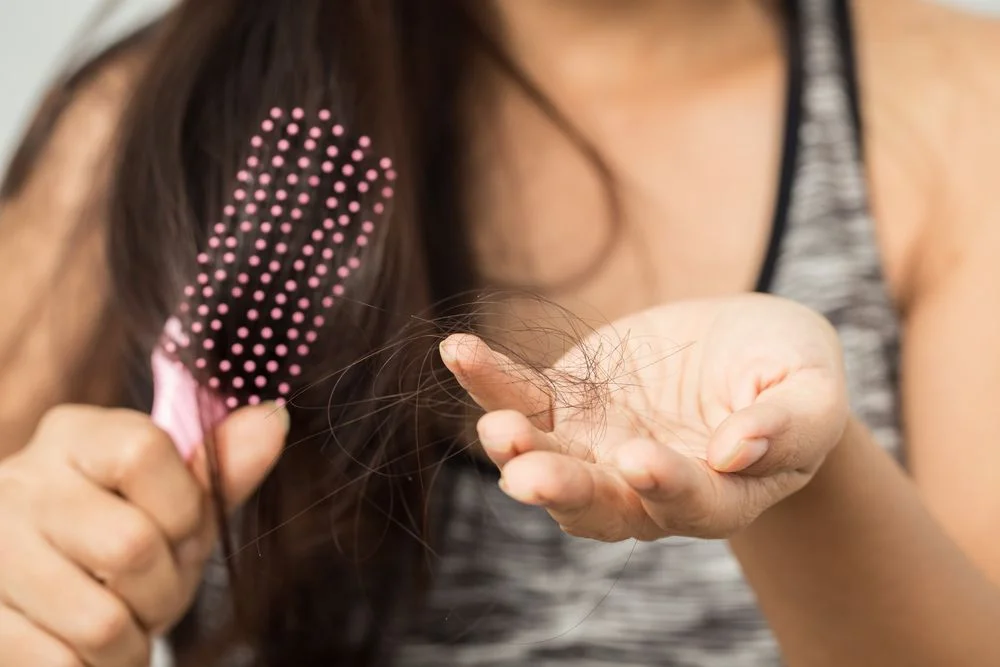
Excessive brushing can cause hair breakage by weakening the strands over time. Signs include rough texture, split ends, and shorter broken pieces scattered around the hairline or scalp. Breakage typically occurs where the hair is most fragile, such as damaged or chemically treated areas. If you notice an increase in hair strands left behind on your brush or pillow, it may be a clear indication that over-brushing is harming your hair.
Thinning Hair: When Brushing Becomes Harmful
While occasional brushing can stimulate blood flow to the scalp, frequent harsh brushing can lead to hair thinning by damaging follicles and encouraging hair strands to fall out prematurely. Constant tension on the hair roots, especially with aggressive brushing techniques, can cause traction alopecia—a condition where hair gradually thins or falls out. Over time, this reduces overall hair density, resulting in an appearance of thinning hair.
Identifying Over-Brushing Habits
Common Patterns That Damage Hair
Many people develop unconscious habits like brushing hair immediately after washing, which is when hair is most vulnerable. Others might brush repetitively throughout the day to manage frizz or tangles, unknowingly stressing their strands repeatedly. Using excessive force or brushing in harsh, back-and-forth motions rather than gentle strokes also contributes to damage. Recognizing and adjusting these habits is key to preventing long-term hair problems.
Tools That Exacerbate Hair Damage
Not all brushes are created equal. Brushes with hard plastic bristles or metal pins can scrape and tear the cuticle, especially when used vigorously. Fine-toothed combs and stiff brushes tend to snag hair, causing breakage. On the other hand, natural bristle brushes and wide-toothed combs designed to glide smoothly through hair can minimize damage. Using the wrong tool repeatedly intensifies damage and promotes hair thinning.
Preventing Breakage and Thinning
Gentle Hair Brushing Techniques
To protect your hair, begin brushing from the ends and gradually work upwards to detangle knots carefully. Using a slow, gentle approach prevents unnecessary pulling and stress on the strands. Hold sections of your hair near the roots to reduce tension when working through tangles. Avoid brushing hair when completely wet; instead, use a wide-toothed comb or fingers for detangling in that state.
Choosing the Right Hairbrush for Your Hair Type
Your hair texture dictates the best brush choice. For fine or thin hair, soft natural-bristle brushes help distribute oils gently without causing damage. Curly or thick hair benefits from wide-toothed combs and brushes with widely spaced pins to minimize breakage. Investing in quality tools suited for your hair type reduces friction and mechanical stress, contributing to healthier hair over time.
Alternative Hair Care Practices to Reduce Damage
In addition to mindful brushing, integrating practices like regular conditioning treatments and minimizing heat styling can enhance hair resilience. Silk or satin pillowcases also help reduce hair friction during sleep. Consider protective hairstyles and avoid tight hair ties that add tension. These complementary habits support hair strength and counteract potential damage from daily grooming routines.
The Role of Diet and Lifestyle in Hair Health
Nutrition Tips to Strengthen Your Hair
Hair health relies heavily on proper nutrition. A diet rich in vitamins like biotin, vitamin E, and minerals such as zinc and iron supports hair growth and strength. Consuming adequate protein is fundamental since keratin is protein-based. Hydration also plays a role in maintaining hair moisture balance. Paying attention to diet ensures that hair follicles receive the nutrients necessary for producing robust and resilient strands.
Stress and Its Impact on Hair Thinning
Chronic stress can disrupt the natural hair growth cycle, pushing more hairs into the shedding phase. This results in noticeable thinning and increased hair loss. Managing stress through techniques such as mindfulness, exercise, and sufficient rest plays a critical role in preserving hair density. Addressing emotional and physical well-being contributes to maintaining healthy hair beyond just surface care.