Understanding the Foundation of Sustainable Meal Prep
Why Sustainability Matters for Long-Term Weight Loss
Establishing a meal prep routine that you can maintain over time is crucial for achieving lasting weight loss results. Quick fixes or overly restrictive diets often fail because they are not sustainable, leading to burnout and eventual weight regain. When your meal prep approach prioritizes sustainability, it supports consistent healthy eating habits, reduces stress around food choices, and helps balance nutritional needs with lifestyle demands. In essence, sustainability keeps you motivated and on track for the long haul.
Key Principles of a Balanced Meal Prep Routine
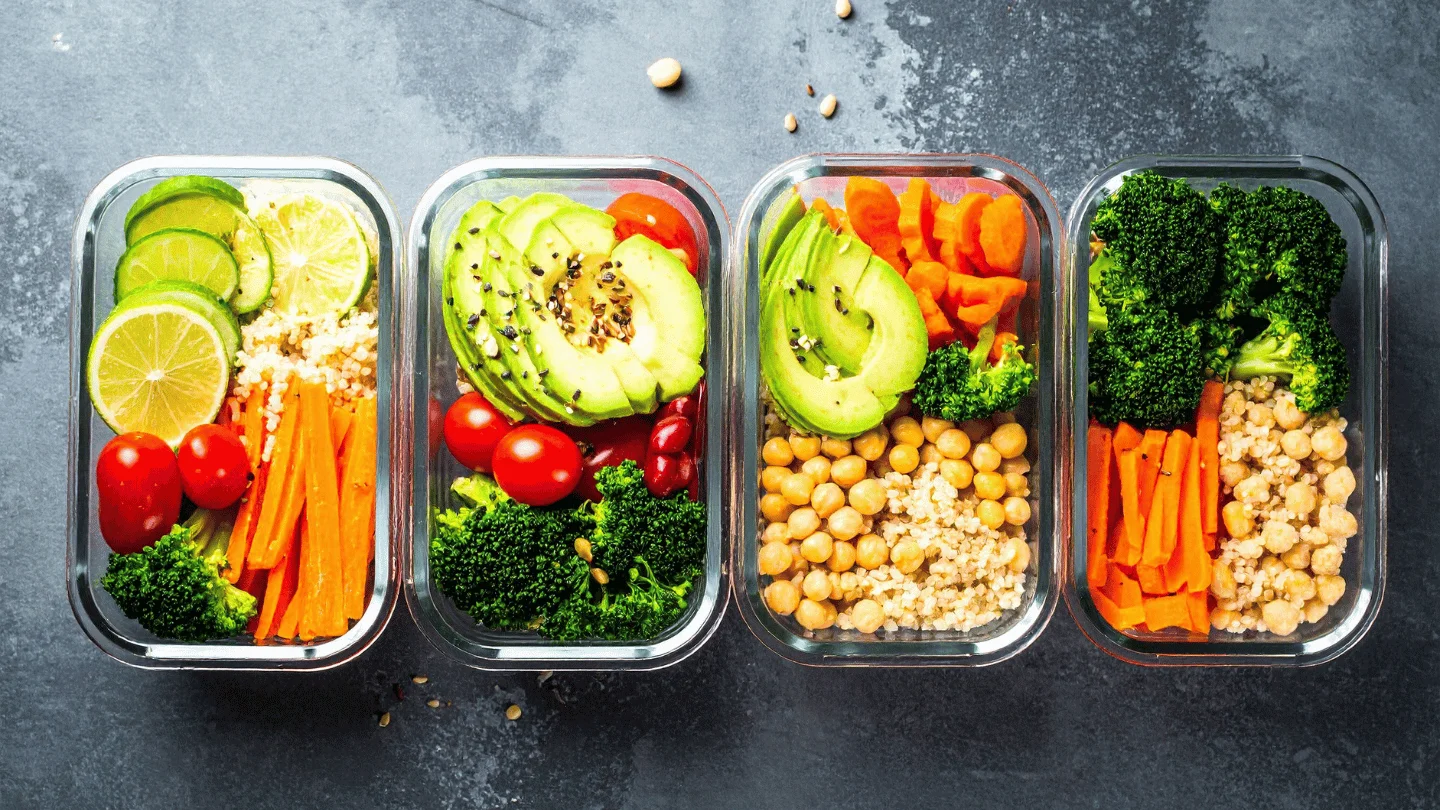
To build a lasting meal prep habit, certain principles should guide your routine. First, focus on balance by including a variety of macronutrients—proteins, carbohydrates, and healthy fats—in your meals. Second, portion control allows you to manage calorie intake effectively without feeling deprived. Third, simplicity helps avoid overwhelm, making meal prep feel manageable amid your busy schedule. Lastly, flexibility ensures you can adapt your meals in response to changing tastes or circumstances, preventing rigidity that can lead to frustration.
Planning Your Meals with Longevity in Mind
Choosing Nutrient-Dense Ingredients
The foundation of sustainable meal prep is choosing ingredients that nourish your body and support your goals. Nutrient-dense foods provide essential vitamins, minerals, and fiber without excess calories. Prioritize whole foods like fresh vegetables, lean proteins, whole grains, and healthy fats such as avocados or nuts. These not only fuel your workouts and daily activities but also promote satiety, helping to control hunger and reduce overeating over time.
Creating a Flexible Weekly Meal Plan
When planning your weekly meals, it’s important to leave room for adjustments based on your schedule, cravings, or unforeseen events. Design a meal plan that outlines core meals but also allows swaps or additions. For example, you might prep a protein source in bulk while varying sides throughout the week. This flexible approach reduces monotony and gives you room to enjoy social meals without feeling guilty or derailing your progress.
Efficient Grocery Shopping Strategies
How to Make a Smart Shopping List
A well-organized shopping list is a lifeline for efficient meal prep. Start by reviewing your meal plan and checking what you already have in your pantry to avoid duplicates. Group items by category such as produce, proteins, and pantry staples to streamline the store visit. Keeping your list specific but flexible allows you to take advantage of seasonal sales or swap items without disrupting your plan. Being prepared reduces impulse buys and keeps your grocery budget in line.
Tips for Buying Fresh and Affordable Produce
Buying fresh produce doesn’t have to strain your finances. Look for seasonal fruits and vegetables, which are often more affordable and flavorful. Farmers markets and local co-ops can offer budget-friendly options as well. Consider buying frozen produce when fresh options are too costly or perishable, as they retain most of their nutrients and can extend your meal prep’s usability. Prioritize variety to keep meals interesting and nutrient-rich.
Meal Prep Techniques for Busy Lifestyles
Batch Cooking vs. Single-Meal Prep
Batch cooking involves preparing large quantities of a few meals at once, typically enough for several days. This method saves time but requires proper planning to ensure meals remain fresh and appetizing. On the other hand, single-meal prep focuses on preparing individual meals separately, offering greater variety but demanding more frequent cooking sessions. Choosing between these techniques depends on your schedule, freezer space, and how much variety you prefer in your meals.
Storage Solutions to Keep Meals Fresh
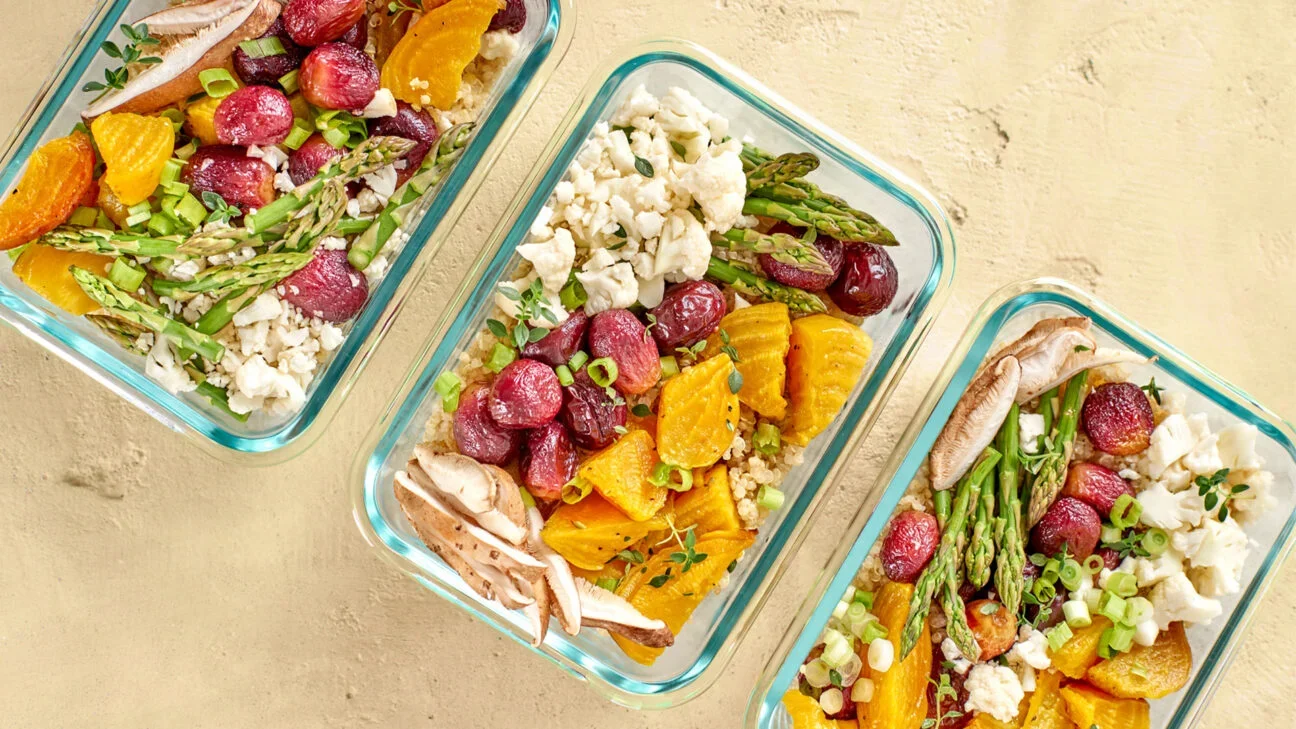
Proper storage is essential to maintain the quality and safety of your prepped meals. Invest in airtight containers that are microwave- and dishwasher-safe for convenience. Glass containers help retain flavor and reduce staining, while clear plastic lets you easily identify contents. Labeling meals with dates helps track freshness, and freezing surplus portions can prevent waste. Storing meals correctly ensures you can enjoy your prep without surprises or spoilage.
Incorporating Variety to Avoid Meal Fatigue
Rotating Proteins, Carbs, and Vegetables
Eating the same meals repeatedly can lead to boredom, which threatens consistency. To keep your routine engaging, rotate your protein sources among options like chicken, fish, legumes, and tofu. Similarly, switch up carbohydrate sources, alternating between quinoa, brown rice, sweet potatoes, and whole grain pasta. Varying vegetables by season and color not only diversifies flavors but also enriches your nutrient intake, making each meal vibrant and satisfying.
Using Herbs and Spices for Flavor Diversity
Herbs and spices are powerful tools to elevate your meals without adding extra calories or sodium. Experimenting with fresh herbs like basil, cilantro, and parsley or dried spices such as cumin, paprika, and turmeric can transform basic dishes. This variety stimulates your palate and prevents the feeling of repetitive meals while enhancing the nutritional profile, as many herbs contain antioxidants and anti-inflammatory compounds.
Tracking Progress and Adjusting Your Routine
How to Monitor Weight Loss and Energy Levels
Consistent monitoring helps determine whether your meal prep routine effectively supports your weight loss goals. Keep track of your weight regularly but avoid daily fluctuations causing undue stress. Pay attention to energy levels throughout the day—adequate nutrition should leave you feeling fueled, not sluggish. Journaling how your body responds to meals can reveal useful insights to fine-tune portions or ingredient choices.
When and How to Modify Your Meal Prep Plan
As your body and lifestyle evolve, so should your meal prep routine. If weight loss plateaus or you experience low energy, consider adjusting portion sizes or macronutrient ratios. Similarly, if your schedule changes, adapt your prep times or meal types to remain realistic. Being flexible and responsive rather than rigid ensures your plan remains supportive rather than burdensome.
Motivational Tips to Stay Consistent
Finding Support and Accountability
Maintaining motivation can be challenging over time, but surrounding yourself with support makes a difference. Share your goals with friends or family members who can encourage you or join you in meal prepping. Online communities and apps also provide accountability and a wealth of recipe ideas. Having a network helps you stay committed, especially during setbacks.
Celebrating Small Wins Along the Journey
Recognizing milestones, no matter how small, keeps your spirits high. Whether it’s successfully prepping meals for a full week or noticing improved energy, taking time to celebrate progress reinforces positive habits. These moments remind you that sustainable weight loss is a journey composed of many achievable steps rather than a distant ideal.