Understanding the Importance of an Evening Routine for Stress Relief
The Science Behind Unwinding After a Stressful Day
Imagine coming home after a hectic day, your mind buzzing with unfinished tasks and lingering worries. Scientific studies show that stress triggers the release of cortisol, a hormone that heightens alertness to deal with challenges. However, elevated cortisol late in the day can disrupt the body’s natural rhythm, making it difficult to relax. Creating an evening routine helps signal your brain to shift from “work mode” to a restful state, encouraging the gradual decline of stress hormones and promoting calmness.

For example, consider Sarah, a graphic designer who struggled with constant anxiety after work. By intentionally winding down each evening through simple rituals, her mind learned to let go of the day’s tension, leading to a more peaceful night.
How Evening Habits Influence Sleep Quality
Our evening habits, from screen time to meal choices, directly affect our ability to fall asleep and experience restful sleep cycles. Activities that overstimulate the brain or disrupt melatonin production, such as late-night phone use or heavy meals, can delay sleep onset and reduce sleep quality. Conversely, calming practices before bed can improve both how quickly you fall asleep and how restorative your sleep feels.
Mark, a teacher, noticed he tossed and turned frequently. After adding a calming reading and stretching routine before bed, his sleep improved noticeably, illustrating how evening habits set the stage for rejuvenation.
Step-by-Step Guide to Designing Your Personalized Calming Evening Routine
Assessing Your Daily Stress Triggers
To build a routine that truly supports your unwinding, start by identifying what aspects of your day create the most stress. Is it work deadlines, family responsibilities, or screen overload? Recognizing these triggers helps you tailor activities that address your unique needs. For example, if constant notifications rattle your nerves, setting phone-free time in the evening can be transformative.
Jenny, a nurse, realized that rushing straight from work to home left her little mental space to decompress. By carving out even 15 minutes for silent reflection upon arriving home, she reduced her stress buildup before starting her evening routine.
Choosing Relaxation Techniques That Work for You
Relaxation is not one-size-fits-all. Some people find meditation helpful, while others prefer light movement or creative outlets. Experiment with different techniques such as deep breathing, meditation apps, gentle yoga, or listening to soothing music. The key is selecting methods that resonate and feel satisfying rather than forced.
After testing several options, Tom discovered that a short guided meditation combined with dim lighting helped him transition from a busy day to a calm evening effortlessly.
Setting the Ideal Environment for Relaxation
The physical environment plays a crucial role in calming the mind. Consider adjusting lighting to a warmer, softer glow, reducing noise levels, or using calming scents like lavender. Creating a dedicated space for your routine, even if just a corner with a favorite chair or cushion, can cue your brain that it’s time to unwind.
Emily, a freelance writer, transformed a small nook by her window into a cozy retreat with pillows, candles, and her favorite blanket. This simple change made her evening routine inviting and consistently practiced.
Effective Activities to Include in Your Evening Routine
Meditation and Mindfulness Practices
Incorporating meditation or mindfulness can help bring attention away from stress and into the present moment. Even five minutes of focused breathing or guided imagery can gently shift your mind into relaxation mode. Mindfulness cultivates awareness without judgment, reducing the habitual cycle of worrying.
For instance, Luis, who often relived stressful conversations before bedtime, used a body-scan meditation to release tension and ground himself in physical sensations instead of mental chatter.
Gentle Yoga and Stretching Exercises
Movement at the end of the day should be slow and soothing, aimed at releasing muscle tightness built during stressful hours. Gentle yoga or stretching helps lower the heart rate and encourages deeper breathing, physically signaling your body that it’s time to relax.
Carla, an accountant, found that simple stretches focusing on her neck and shoulders after sitting all day greatly reduced her physical discomfort and mental tension, making her evenings more pleasant.
Reading and Journaling for Mental Clarity
Reading a light book or journaling your thoughts can clear mental clutter. Writing down what’s on your mind allows you to process emotions and worries outside of your head, helping you mentally close the day. Choose reading material that soothes rather than stimulates, avoiding thrilling or heavy content.
James kept a gratitude journal in the evening, jotting down positive moments from his day. This habit shifted his perspective and encouraged peaceful reflection, aiding his unwinding process.
Nutrition and Hydration Tips to Support Evening Calmness
Herbal Teas and Foods That Promote Relaxation
Certain herbal teas like chamomile, valerian root, or peppermint have been enjoyed for centuries to support relaxation. These beverages can offer a comforting ritual that signals the body to unwind. Similarly, foods rich in magnesium, such as nuts or leafy greens, can contribute to a sense of calm.
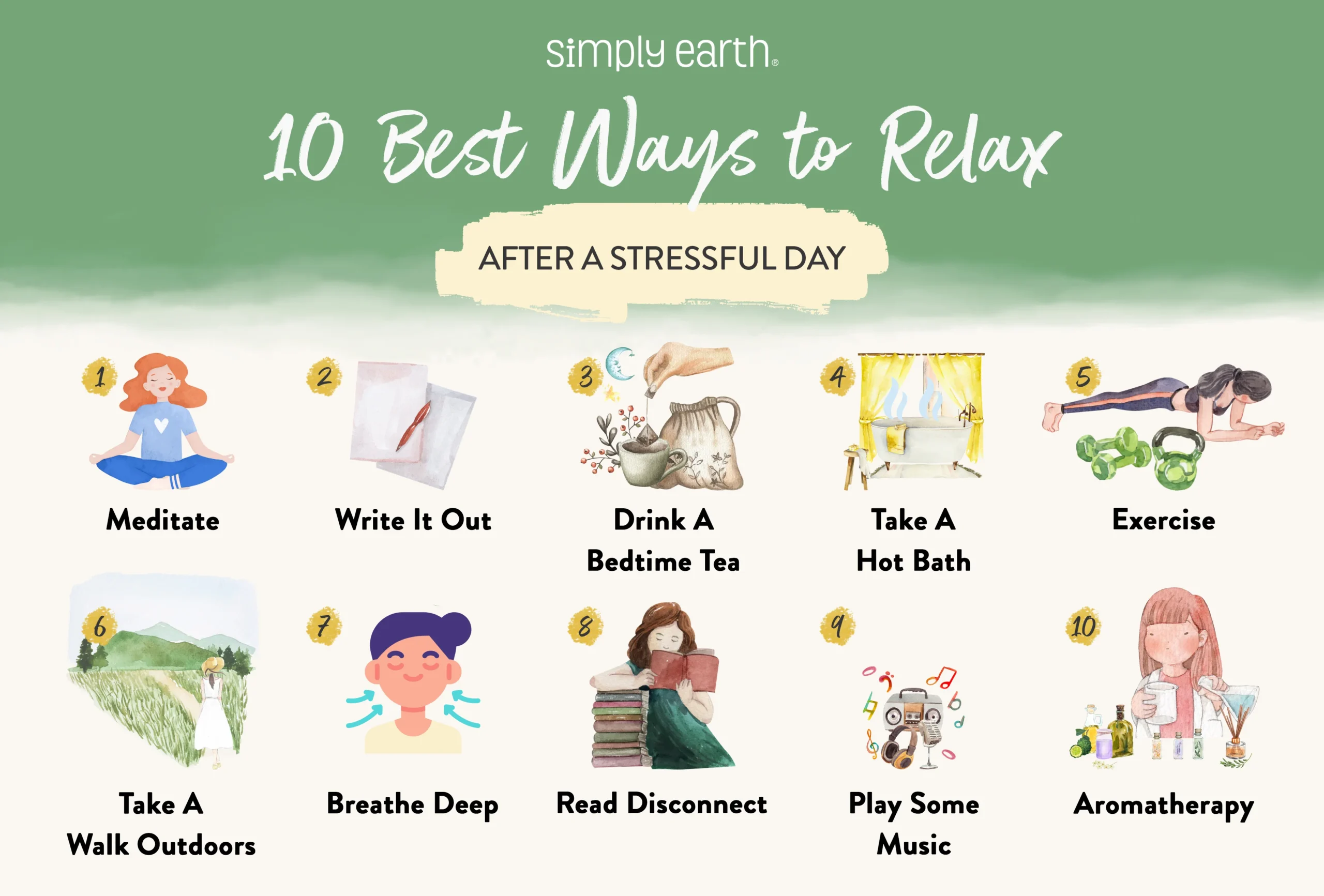
Jessica made a habit of brewing a warm cup of chamomile tea after dinner, which became a soothing cue to begin her evening routine.
Timing Your Last Meal and Beverage
Eating large meals or consuming caffeine too close to bedtime can interfere with your ability to fall asleep. It’s important to time your last meal at least two to three hours before going to bed and to avoid stimulants late in the day. Staying hydrated is essential, but balance it to reduce the likelihood of nighttime disruptions.
Tom, who often felt restless, adjusted his dinner time to earlier in the evening and swapped coffee for herbal tea after 4 pm, noticing improved sleep patterns.
Common Mistakes and How to Avoid Them
Overstimulation Before Bedtime
Many people undermine their efforts by engaging in stimulating activities just before bed, such as scrolling social media, working, or watching intense shows. These can trigger the brain to stay alert, negating calming rituals. Recognizing and limiting screens and mentally demanding tasks at least an hour before sleep is crucial.
Anna used to check emails until bedtime, which left her anxious. After setting a strict “digital sunset,” she found it easier to relax and fall asleep.
Ignoring Consistency and Routine Adaptability
Another common pitfall is inconsistency. Skipping the routine or making it too rigid can reduce its effectiveness. Life’s demands fluctuate, so it’s important to remain flexible and adjust your routine as needed while maintaining core calming elements.
Rob frequently changed his evening habits, never settling on one routine. Once he committed to a simple ritual but allowed modifications on busy days, his ability to unwind steadily improved.
Tracking Your Progress and Adjusting Your Routine
Using Journals and Apps to Monitor Stress Levels
Tracking how you feel after different activities can highlight what truly helps you unwind. Writing in a journal or using wellness apps to rate your stress and sleep quality can reveal patterns and successes, motivating you to stick with beneficial habits.
After keeping a stress diary, Mia realized that meditation reduced her anxiety more than watching TV, so she prioritized it in her routine.
When to Modify Your Evening Ritual for Better Results
As your life changes, so will your stressors and needs. If you notice increased restlessness or diminished benefits, it might be time to tweak your routine. Adding new activities, shortening sessions, or changing your environment can keep your ritual effective and enjoyable over time.
Leo found that during intense work periods, his usual routine wasn’t enough. He incorporated longer stretching sessions and adjusted his bedtimes, helping him stay balanced despite challenges.
Quick Takeaways
- Evening routines help reduce stress hormones and prepare the body for restful sleep.
- Personalize your routine by understanding your daily stressors and favorite relaxation methods.
- Create a calming environment with soft lighting and minimal distractions.
- Incorporate activities like meditation, gentle yoga, or journaling to ease mental tension.
- Choose calming foods and beverages timed to support sleep.
- Avoid overstimulation and be consistent but adaptable in your routine.
- Track your progress to refine and optimize your evening habits over time.
Conclusion
Developing a calming evening routine is more than just a bedtime habit—it’s a vital practice that nurtures your mental and physical well-being after stressful days. By thoughtfully assessing your stress triggers and incorporating personalized relaxation techniques, you can create a sanctuary of calm that helps you transition smoothly into rest. Through mindful choices around activities, nutrition, and environment, you foster a rhythm that signals your body to release tension naturally. Keep in mind that consistency, flexibility, and self-awareness are key; your routine should evolve alongside your life’s demands. With patience and attention, this practice becomes a powerful ally in managing everyday stress and enhancing your overall quality of life.